"The aim of art is to represent not the outward appearance of things, but their inward significance "~ Aristotle
( ISSUE 71/72)
In the English Section: : Talk About: Anna Hourthan. & Rajeev Sharma. Favourite Forever : Walt Whitman. Poetry Here & Now: Shail Agrawal. Story:Chekhov. Kids' Corner: An European Folk Tale & a Nursery Rhyme by Christina Rossetti.
+
VIVIDHA & VEETHIKA with your NEWS & VIEWS
Details about the subject of the next issue : on the ' About us' page. Created , Edited & published By : Shail Agrawal
T.S. Eliot wrote, ‘Indian philosophers’ subtleties make most of the great European philosophers look like schoolboys.’’ Ella Wheeler Wilcox, American most celebrated Poetess and Journalist said, “India – the land of Vedas, the remarkable works contains not only religious ideas for a perfect life, but also facts which science has proved true. Electricity, radium, electronics, airship, all are known to the seers who founded the Vedas.”
‘‘In them (the Vedas),’’ Emerson says, ‘‘I have found eternal compensation, unfathomable power, unbroken peace.’’ And hence the candour, again, of Arthur Schopenhauer, one of the greatest German philosophers and writers: ‘‘In the whole world there is no study so beneficial and so elevating as that of the Upanishads. It has been the solace of my life; and it will be the solace of my death. They are the product of the highest wisdom.’’
Perhaps the best eulogy for India, as it truly deserves, has come from Frederich von Schlegel, acclaimed German writer, critic, philosopher, and one of the founders of German Romanticism: ‘‘There is no language in the world, even Greek, which has the clarity and the philosophical precision of Sanskrit, and this great India is not only at the origin of everything, she is (also) superior in everything, intellectually, religiously or politically, and even the Greek heritage seems pale in comparison.’’
Werner Heisenberg--- co-founder of Quantum Physics, T. S. Eliot --- great American writer, Friedrich Hegel, Julius Robert Oppenheimer--- Father of atomic bomb, Ralph Emerson, Henry David Thoreau--- one of the greatest American writer, Erwin Schrödinger--- father of Quantum mechanics, had drawn their intellectual nourishment and inspiration from Indian Classical Literature.
Then why we Indians lament our failings only. Lekhni’s this December issue is on ' Revolt' Is a revolt only an outcome of a rebellious individual or society or a pressing and unavoidable need of the moment ? Whatever may be the need of the moment, this mentality of criticism only will draw us back to the cave age . Lets celebrate our glorious past and enjoy our present . Be proud of our culture, our Country, blessings and joy in our lives.
Aristotle once said- At his best, man is the noblest of all animals, separated from law and justice he is the worst. We Indians how much we want though , are no different. Further he wrote -Anybody can become angry - that is easy, but to be angry with the right person and to the right degree and at the right time and for the right purpose, and in the right way - that is not within everybody's power and is not easy
In the present tide of doubts this is a small contribution of lekhni not to forget any of our blessings . Despite all the suffering and misery in the world, lets keep our hope alive and look forward towards the future with a gusto.
Wishing all the readers and friends of lekhni a very happy and satisfying New year!
· With the beginning of the new millennium we are witnessing more frequent and dramatic instances of Nature’s destructive power; the severe earthquake and resulting tsunami in Japan being the most recent. For many of us these natural catastrophes, as well as manmade disasters, have caused deep reflection on the age-old questions of life. If tens of thousands of lives can be wiped out in an instant, without warning, what does it all mean? Life, as we know it, is so fleeting—why are we even here? Is there anything permanent we can latch onto in this world?
These events bring home the value and relevance of the great mystical teachings, particularly the Vedanta philosophy of India as set down in the Upanishads and The Bhagavad Gita. In an impermanent world they speak uncompromisingly of that permanent reality we are all seeking (consciously or not). In Vedanta that Reality is called Brahman and is defined as eternal, immortal, unchanging, indivisible, beyond the pairs of opposites and, according to mystics from all traditions, can be directly experienced by us. Moreover, the purpose of life is to realize our identity with that Divine Reality.
The Vedantic principles speak of the unity of all existence, the universality of spiritual truth (that each religion is a path to God), and a God that is not distant at all. Although transcendent, It is also immanent—is the indwelling Presence that gives life. These basic truths are becoming more and more part of our thinking. Evidence of this can be seen in the works of great Western philosophers, scientists and writers. ‘What is India’by Salil Gewali provides an extensive compilation of what these influential, world-renowned individuals have said about India’s contribution to science and spirituality. The wisdom of these teachings also permeates the works of many modern spiritual writers and thinkers such as Eckhart Tolle, Thomas Merton, and Don Miguel Ruiz. The influence of these ancient Vedantic teachings of India started early in American history and can be seen in the works of such great writers as Ralph Waldo Emerson, Henry David Thoreau, Mark Twain and TS Eliot.
With technology fostering a global consciousness and change in our worldview, we have a newfound sense of interconnectedness. Can it be a coincidence that the Vedantic scriptures of ancient India, which speak of the oneness of all life, are now available to us? It would appear that humanity on a larger scale then ever before is ready to hear these crucial ideas. Fritjof Capra’s world famous ‘The Tao of Physics’ is a successful attempt to validate the ancient wisdom. He says ‘The two foundations of twentieth-century physics - Quantum theory and Relativity theory both force us to see the WORLD very much in the way a Hindu sees it.
The urgency of our times makes the dissemination of these teachings of oneness, universality, and acceptance of other paths imperative for our future existence. A great thinker Arthur Schopenhauer exclaims ‘Upanishads have been the solace of my life, it will be the solace of my death. They are the product of highest wisdom.’
India, the country shaped like a heart, is the mystical heart of the world. It is the great reservoir of spirituality for humanity to dip into whenever it tires of the aridity of secular life and materialism, of doctrines and sensuality. Since its precious teachings have been translated and given away to the rest of the world over the last two centuries, perhaps it isn’t as necessary now to go to India to discover them: India is a spiritual territory, a spiritual direction, not geography. So in this text we will try to capture the spirit of India—the India of the sages, of lofty thoughts, of the highest mysticism—and the essence of that is called Vedanta. The author’s hope and prayer is that the ideas, insights, and promising message of these marvelous scriptures of India will inspire and encourage the reader to personally test the validity of these universal truths. Thus Salil’s compilation will be a most worthwhile gift to all of us.
Anna Hourihan Publisher & Editor
Redding, California, USA
***
India’s top 5 achievements since independence
If the question were to be regarding achievements of India as a nation since the Indian civilization began millennia ago, there is no doubt that India has been a world leader in diverse fields, not just spiritualism. India invented the decimal and the Number system millennia ago. Zero was invented by the Indian prodigy in astronomy and mathematics, Aryabhatta (476-550 CE). Great Britain’s oldest university, Oxford, came into existence only in the year 1167. India’s Takshashila University was the world’s first which was established in 700 BC wherein more than 10,500 students from all over the world pursued higher studies in more than 60 subjects. The University of Nalanda, built in the 4th century BC, is another feather in the Indian cap. It’s a pity that for various socio-political reasons the two ancient Indian universities could not sustain, while Oxford University continues its glorious run uninterruptedly.
The value of pi was first calculated by Budhayana, who actually is the father of the concept known to the modern world as the Pythagorean Theorem. Budhayan flourished in the 6th century, long before the European mathematicians dominated the world stage.
India is the birth place of algebra, trigonometry and calculus. It was a thousand years ago when Sridharacharya used numbers as big as 1053 while the largest numbers in the world then, used by the Greeks and the Romans, were 106.
But then this is the past. What about the present: the contemporary India? The five top most achievements of the independent India, according to me, are as follows.
1. Maintaining its unity and integrity: This is the most important achievement of India since independence because India has survived its modern map despite diverse challenges, despite an over a quarter century-long proxy war from across the borders and stiff terrorism-related challenges on domestic and foreign fronts. More importantly, despite such challenges India’s secular fabric and its amazing unity in diversity have remained intact.
2. India’s vibrant democracy: India has remained an island of democracy amid a vast ocean of autocratic rules in the neighbourhood. India has been a pulsating, throbbing democracy and has emerged as the largest democracy in the world. Right from the days of Pandit Jawahar Lal Nehru and Sardar Vallabh Bhai Patel, when the two topmost Indian leaders often differed drastically from each other on core issues, to the contemporary times of Anna Hazare, India has continued on the democratic path. Whenever a general election has thrown out a government, the new dispensation has taken over. Peacefully. Many a times. This is India’s victory!
3. The aam aadmi (common man)-specific programs: Few other countries in the world would have taken up such programs and implemented these with such gusto as India has. The list is long, but on top of the chart would be the Pradhan Mantri Gram Sarak Yojana, Right to Information (RTI), Right to Education (RTE) and the Mahatma Gandhi National Rural Employment Guarantee Act (MGNREGA). India’s most ambitious developmental project perhaps, the Right to food is in the pipeline. This would inevitably pave the way for Right to medicare and Right to Shelter and many more other rights that are enshrined in the Indian Constitution but have not yet been delivered.
4. India’s space program: India’s modest efforts to conquer the space that began in 1975 with the successful launch of its first satellite Aryabhatta in 1975 have now come of age. Today, India is among the select few space powers in the world to launch foreign satellites and eye a big chunk of the $ 200 billion commercial rocket launch industry. India has sewn up space agreements with over 20 countries. More importantly, it is now preparing for its Mars Mission in December 2013. It is no mean achievement for a country that was finding it difficult to feed its own people till it successfully embarked on a Green Revolution nearly half a century ago, is now aiming literally for the stars!
5. The nuclear and missile programs: No other programs have beefed up India’s defence and forced the world to acknowledge India’s strides in the field of defence and science and technology as these two. In fact the Point number 5 in this list is a supplementary to the point number 1. India’s prowess in the field of missile technology is a strong deterrent for the enemies. The nuclear program and the missile program form an integral part of this. India has been running the two programs simultaneously and successfully. India’s missile program is spearheaded by such missile systems as the Agni, Prithvi, Akash and Nag. BrahMos, the world’s fastest Cruise missile jointly developed by India and Russia, is the newest addition to the Indian missile bouquet.
These, in my view, are top five achievements of India since independence. India’s Herculean efforts in combating poverty, illiteracy and unemployment do not find a mention in this list, though they are covered in point number three. This is largely because India as a nation was expected to fare better than it has thus far. This leads us to the five top failures of India in the past 65 years. Perhaps we can call them “challenges”, instead of “failures” because these are, and have to be, the templates for any government that comes to power in the next few decades. The five “challenges” are: (i) corruption, (ii) population explosion, (iii) poverty, (iv) illiteracy, and (v) unemployment. If India wants to become a global superpower, then these challenges have to be met. India has the required resources, given its very high percentage of young population. It is up to the leaders to deliver and also up to the people as to what kind of leaders they choose to ensure early deliverance.
Of Public Opinion; Of a calm and cool fiat, sooner or later, (How impassive! How certain and final!) Of the President with pale face, asking secretly to himself, What will the people say at last? Of the frivolous Judge—Of the corrupt Congressman, Governor, Mayor—Of such as these, standing helpless and exposed; Of the mumbling and screaming priest—(soon, soon deserted;) Of the lessening, year by year, of venerableness, and of the dicta of officers, statutes, pulpits, schools; Of the rising forever taller and stronger and broader, of the intuitions of men and women, and of self-esteem, and of personality; —Of the New World—Of the Democracies, resplendent, en-masse; Of the conformity of politics, armies, navies, to them and to me, Of the shining sun by them—Of the inherent light, greater than the rest, Of the envelopment of all by them, and of the effusion of all from them.
Ashes of Soldiers.
Ashes of soldiers! As I muse, retrospective, murmuring a chant in thought, Lo! the war resumes—again to my sense your shapes, And again the advance of armies.
Noiseless as mists and vapors, From their graves in the trenches ascending, From the cemeteries all through Virginia and Tennessee, From every point of the compass, out of the countless unnamed graves, In wafted clouds, in myraids large, or squads of twos or threes, or single ones, they come, And silently gather round me.
Now sound no note, O trumpeters! Not at the head of my cavalry, parading on spirited horses, With sabres drawn and glist’ning, and carbines by their thighs—(ah, my brave horsemen! My handsome, tan-faced horsemen! what life, what joy and pride, With all the perils, were yours!)
Nor you drummers—neither at reveille, at dawn, Nor the long roll alarming the camp—nor even the muffled beat for a burial; Nothing from you, this time, O drummers, bearing my warlike drums.
But aside from these, and the marts of wealth, and the crowded promenade, Admitting around me comrades close, unseen by the rest, and voiceless, The slain elate and alive again—the dust and debris alive, I chant this chant of my silent soul, in the name of all dead soldiers.
Faces so pale, with wondrous eyes, very dear, gather closer yet; Draw close, but speak not.
Phantoms of countless lost! Invisible to the rest, henceforth become my companions! Follow me ever! desert me not, while I live.
Sweet are the blooming cheeks of the living! sweet are the musical voices sounding! But sweet, ah sweet, are the dead, with their silent eyes.
Dearest comrades! all is over and long gone; But love is not over—and what love, O comrades! Perfume from battle-fields rising—up from foetor arising.
Perfume therefore my chant, O love! immortal Love! Give me to bathe the memories of all dead soldiers, Shroud them, embalm them, cover them all over with tender pride!
Perfume all! make all wholesome! Make these ashes to nourish and blossom, O love! O chant! solve all, fructify all with the last chemistry.
Give me exhaustless—make me a fountain, That I exhale love from me wherever I go, like a moist perennial dew, For the ashes of all dead soldiers.
Dark secrets hidden in the trunk are spreading down deep like many a tangled root .
Proudly swollen branches of bloom Swaying and swinging ---as if they have known and seen it all
Yet bursting out to speak But Gentle introvert shoots Trying hard to hide & deny everything
My trusting heart once again -- from silvery-shadows to thorny blossoms Caught up in its own conspiracy .
Sun, Moon, and Stars.
Young, wreck-less, and ambitious; What is there in staying together When the world is one’s own oyster.
Now or never Slowly and steadily they drifted afar.
Sun, Moon and Stars!
Dying fingers twiddling thumbs together held back tears in silent disdain Old lips were wry and rejected,
A sad gaze fixed on an empty wall Wth these parting words Quivering lips said it all
Sun, Moon and Stars!
"Do your best and come back once Atleast to lay us to rest. ” They Sealed it with a ceremonial kiss
Wise, thoughtful, and serene Just by being close and together Who could have tore them apart
Sun, Moon and Stars!
Eyes down with a parting shame Heart burning with an ambitious flame Didn't knew " How far is too far"
If only, they could have seen What live's source has been Not an inch of sky had ever been lost
Sun, Moon and Stars !
Story begins and ends there Their woeful eyes and tear drenched cheeks Lost forever in an onward march!
Those shiny specks in the sky Once upon a close knit family Perhaps they were always afar.
Sun, Moon and Stars!
Name
Few alphabetical letters arranged in an order to identify and value the object like a bar-code in a super-market Always wanted to know Who am I ? Me or my name!
Once I asked a smiling man “Do you know me ?” “ Your face looks familiar,” was his polite reply But I cannot remember the name.“ Thus this name always runs ahead of me and I helplessly follow it around.
I dare not challenge its power---- have seen many living a nameless life dying a nameless death. Anyway, who am I without my name? A breathing body, a thought, a little link In this big circular, universal chain.
So next time when somebody asked for me I just introduced my name.
Serge Kapitonich Ahineev, the writing master, was marrying his daughter to the teacher of history and geography. The wedding festivities were going off most successfully. In the drawing room there was singing, playing, and dancing. Waiters hired from the club were flitting distractedly about the rooms, dressed in black swallowtails and dirty white ties. There was a continual hubub and din of conversation. Sitting side by side on the sofa, the teacher of mathematics, the French teacher, and the junior assessor of taxes were talking hurriedly and interrupting one another as they described to the guests cases of persons being buried alive, and gave their opinions on spiritualism. None of them believed in spiritualism, but all admitted that there were many things in this world which would always be beyond the mind of man. In the next room the literature master was explaining to the visitors the cases in which a sentry has the right to fire on passers-by. The subjects, as you perceive, were alarming, but very agreeable. Persons whose social position precluded them from entering were looking in at the windows from the yard.
Just at midnight the master of the house went into the kitchen to see whether everything was ready for supper. The kitchen from floor to ceiling was filled with fumes composed of goose, duck, and many other odors. On two tables the accessories, the drinks and light refreshments, were set out in artistic disorder. The cook, Marfa, a red-faced woman whose figure was like a barrel with a belt around it, was bustling about the tables.
"Show me the sturgeon, Marfa," said Ahineev, rubbing his hands and licking his lips. "What a perfume ! I could eat up the whole kitchen. Come, show me the sturgeon."
Marfa went up to one of the benches and cautiously lifted a piece of greasy newspaper. Under the paper on an immense dish there reposed a huge sturgeon, masked in jelly and decorated with capers, olives, and carrots. Ahineev gazed at the sturgeon and gasped. His face beamed, he turned his eyes up. He bent down and with his lips emitted the sound of an ungreased wheel. After standing a moment he snapped his fingers with delight and once more smacked his lips.
"Ah-ah! the sound of a passionate kiss. . . . Who is it you're kissing out there, little Marfa?" came a voice from the next room, and in the doorway there appeared the cropped head of the assistant usher, Vankin. "Who is it? A-a-h! . . . Delighted to meet you! Sergei Kapitonich! You're a fine grandfather, I must say!"
"I'm not kissing," said Ahineev in confusion. "Who told you so, you fool? I was only . . . I smacked my lips . . . in reference to . . . as an indication of. . . pleasure . . . at the sight of the fish."
"Tell that to the marines!" The intrusive face vanished, wearing a broad grin.
Ahineev flushed.
"Hang it!" he thought, "the beast will go now and talk scandal. He'll disgrace me to all the town, the brute."
Ahineev went timidly into the drawing room and looked stealthily round for Vankin. Vankin was standing by the piano, and, bending down with a jaunty air, was whispering something to the inspector's sister-in-law, who was laughing.
"Talking about me!" thought Ahineev. "About me, blast him! And she believes it . . . believes it! She laughs! Mercy on us! No, I can't let it pass . . . I can't. I must do something to prevent his being believed. . . . I'll speak to them all, and he'll be shown up for a fool and a gossip."
Ahineev scratched his head, and still overcome with embarrassment, went up to the French teacher.
"I've just been in the kitchen to see after the supper," he said to the Frenchman. "I know you are fond of fish, and I've a sturgeon, my dear fellow, beyond everything! A yard and a half long! Ha, ha, ha! And, by the way . . . I was just forgetting. . . . In the kitchen just now, with that sturgeon . . . quite a little story! I went into the kitchen just now and wanted to look at the supper dishes. I looked at the sturgeon and I smacked my lips with relish . . . at the piquancy of it. And at the very moment that fool Vankin came in and said: . . . 'Ha, ha, ha! . . . So you're kissing here!' Kissing Marfa, the cook! What a thing to imagine, silly fool! The woman is a perfect fright, like all the beasts put together, and he talks about kissing! Queer fish!"
"Who's a queer fish?" asked the mathematics teacher, coming up.
"Why he, over there--Vankin! I went into the kitchen . . ."
And he told the story of Vankin. ". . . He amused me, queer fish! I'd rather kiss a dog than Marfa, if you ask me," added Ahineev. He looked round and saw behind him the junior assessor of taxes.
"We were talking of Vankin," he said. "Queer fish, he is! He went into the kitchen, saw me beside Marfa, and began inventing all sorts of silly stories. 'Why are you kissing?' he says. He must have had a drop too much. 'And I'd rather kiss a turkeycock than Marfa,' I said, 'And I've a wife of my own, you fool,' said I. He did amuse me!"Who amused you?" asked the priest who taught Scripture in the school, going up to Ahineev.
"Vankin. I was standing in the kitchen, you know, looking at the sturgeon. . . ."
And so on. Within half an hour or so all the guests knew the incident of the sturgeon and Vankin.
"Let him tell away now!" thought Ahineev, rubbing his hands. "Let him! He'll begin telling his story and they'll say to him at once, 'Enough of your improbable nonsense, you fool, we know all about it!"
And Ahineev was so relieved that in his joy he drank four glasses too many. After escorting the young people to their room, he went to bed and slept like an innocent babe, and next day he thought no more of the incident with the sturgeon. But, alas! man proposes, but God disposes. An evil tongue did its evil work, and Ahineev's strategy was of no avail. Just a week later--to be precise, on Wednesday after the third lesson--when Ahineev was standing in the middle of the teacher's room, holding forth on the vicious propensities of a boy called Visekin, the headmaster went up to him and drew him aside:
"Look here, Sergei Kapitonich," said the headmaster, "you must excuse me. . . . It's not my business; but all the same I must make you realize. . . . It's my duty. You see, there are rumors that you are romancing with that . . . cook. . . . It's nothing to do with me, but . . . flirt with her, kiss her . . . as you please, but don't let it be so public, please. I entreat you! Don't forget that you're a schoolmaster."
Ahineev turned cold and faint. He went home like a man stung by a whole swarm of bees, like a man scalded with boiling water. As he walked home, it seemed to him that the whole town was looking at him as though he were smeared with pitch. At home fresh trouble awaited him.
"Why aren't you gobbling up your food as usual?" his wife asked him at dinner. "What are you so pensive about? Brooding over your amours? Pining for your Marfa? I know all about it, Mohammedan! Kind friends have opened my eyes! O-o-o! . . . you savage !"
And she slapped him in the face. He got up from the table, not feeling the earth under his feet, and without his hat or coat, made his way to Vankin. He found him at home.
"You scoundrel!" he addressed him. "Why have you covered me with mud before all the town? Why did you set this slander going about me?"
"What slander? What are you talking about?"
"Who was it gossiped of my kissing Marfa? Wasn't it you? Tell me that. Wasn't it you, you brigand?"
Vankin blinked and twitched in every fiber of his battered countenance, raised his eyes to the icon and articulated, "God blast me! Strike me blind and lay me out, if I said a single word about you! May I be left without house and home, may I be stricken with worse than cholera!"
Vankin's sincerity did not admit of doubt. It was evidently not he who was the author of the slander.
"But who, then, who?" Ahineev wondered, going over all his acquaintances in his mind and beating himself on the breast. "Who, then?"
One day a nobleman caught a nightingale and wanted to put it in a cage. But the bird spoke to him:
- Let me go and I will give you a good advice. It may be of use to you some day.
The rich man agreed to let it go.
The nightingale gave him these advices:
- Never be sorry for something that cannot be brought back, my lord. And never trust idle words.
The nobleman heard the advises and let the nightingale go. The bird flew out and said:
- Too bad you let me go. If only you knew about my treasure. I have a huge very expensive gem under my wing. If you had taken it, you would become even richer.
When he heard that, the nobleman began to regret letting bitterly about the bird go, jumped up and tried to catch it.
The nightingale turned towards him and said:
- Now I know, master, that you are a greedy and foolish man: you were sorry for something that cannot be brought back. And you believed my idle words! Look at what a little bird I am. How could I be hiding a large gem under my wing?
And after these words the bird flew away.
An European Folktale
***
What Does the Bee Do?
What does the bee do? Bring home honey. And what does Father do? Bring home money. And what does Mother do? Lay out the money. And what does baby do? Eat up the honey. ~Christina Rossetti
प्रेस विज्ञप्ति यू.पी. हिन्दी संस्थान, लखनऊ। शीघ्र बहाल होंगे उ. प्र .हिन्दी संस्थान के बाल साहित्य सम्मान
आज देश में चारों ओर जो चरित्र का संकट दिखाई पड़ रहा है, इसका समाधान बाल साहित्य में निहित है। अगर हम बच्चों को बाल साहित्य उपलब्ध कराएं, तो उससे उनके व्यक्तित्व का समुचित विकास तो होगा ही हमारा समाज भी एक स्वस्थ समाज के रूप में निर्मित हो सकेगा। पर दुर्भाग्यवश हमारे देश में ऐसा नहीं होता है। हमारे यहां बाल साहित्य को दोयम दर्जे का माना जाता है। हम विदेशों की तुलना में एक चौथाई भाग भी इसपर ध्यान नहीं देते हैं, जिसका दुष्परिणाम हमें चारों ओर दिखाई पड़ रहा है।
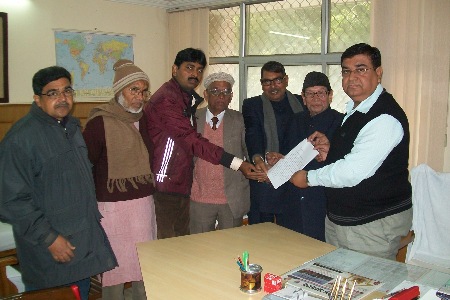
उपरोक्त बातें उ0प्र0 हिन्दी संस्थान के कार्यकारी अध्यक्ष उदय प्रताप सिंह जी ने बाल साहित्यकारों के प्रतिनिधि मण्डल के समक्ष कहीं। वे 1997 में बंद हुए 10 बाल साहित्य सम्मानों को चालू कराने हेतु ज्ञापन देने आए स्थानीय बाल साहित्यकारों के दल को सम्बोधित कर रहे थे। उन्होंने रचनाकारों का आभार व्यक्त करते हुए कहा कि हमें इस बात की प्रसन्नता है कि आप लोगों ने इस महत्वपूर्ण विषय पर हमारा ध्यान आकृष्ट कराया। उन्होंने आश्वासन देते हुए कहा कि हम मुख्यमंत्री जी से मिलकर इस बारे में बात करेंगे। और जब तक सरकार द्वारा इस सम्बंध में कोई निर्णय नहीं होता, हम कोशिश करेंगे कि अपने सीमित बजट में भी कुछ बिन्दुओं पर अमल करने की कोशिश करेंगे।
तस्लीम के महासचिव डॉ0 जाकिर अली रजनीश के अह्वान पर एक दर्जन बाल साल साहित्यकारों के प्रतिनिधि मण्डल ने संस्थान के निदेशक एवं कार्यकारी अध्यक्ष से मिलकर
बाल साहित्य के उन्नयन हेतु अपने सुझाव प्रस्तुत किये, जिनमें बंद हुए बाल साहित्य सम्मानों को पुनर्जीवित करना, बाल साहित्य सम्बंधी गोष्ठियों एवं कार्यशालाओं का आयोजन कराना तथा बाल साहित्य की पुस्तकों का प्रकाशन शामिल है। प्रतिनिधि मण्डल में विनोद चंद्र पाण्डेय, सूर्य कुमार पाण्डेय, जाकिर अली रजनीश, हेमंत कुमार, विद्याबिन्दु सिंह, बन्धु कुशावर्ती, अरूणेन्द्र चन्द्र त्रिपाठी, धनसिंह मेहता अन्जान, रवीन्द्र प्रभात, सर्वेश अस्थाना के नाम प्रमुख हैं।
इस अवसर पर संस्थान के निदेशक सुधाकर अदीब जी ने भी बाल साहित्यकारों का स्वागत किया और उनकी मांगों पर समुचित ध्यान देने का आश्वासन दिया। साहित्यकारों ने जिन बाल साहित्य सम्मानों को पुनर्जीवित करने की मांग की, उनका विवरण निम्नवत है-
1. सोहनलाल द्विवेदी बाल कविता सम्मान
2. अमृतलाल नागर बाल कथा सम्मान
3. रामकुमार वर्मा बाल नाटक सम्मान
4. जगपति चतुर्वेदी बाल विज्ञान लेखक सम्मान
5. शिक्षार्थी बाल चित्रकला सम्मान
6. कृष्ण विनायक फड़के बाल साहित्य समीक्षा सम्मान
7. लल्ली प्रसाद पाण्डेय बाल पत्रकारिता सम्मान
8. निरंकारदेव सेवक बाल साहित्य इतिहास लेखन सम्मान
9. सुभद्रा कुमारी चौहान महिला बाल साहित्य सम्मान
10. उमाकांत मालवीय युवा बाल साहित्य सम्मान
प्रेषक
डॉ0 जाकिर अली रजनीश
महासचिव-तस्लीम
7ए/55, वृन्दावन योजना,
रायबरेली रोड, लखनऊ-226025
मो0 9935923334
***
विनोद कुमार शुक्ल को परिवार अवॉर्ड
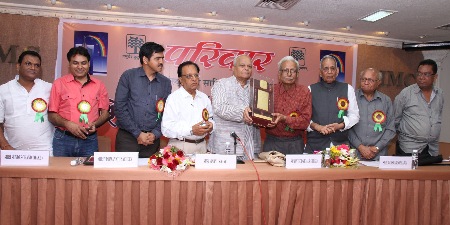
चित्र में (दाएं से बाएं)
परिवार पुरस्कार समारोह 2013में सचिव सुरेंद्र गाडिया, शायर देवमणि पांडेय, कवि सुंदरचंद ठाकुर (सम्पादक नवभारत टाइम्स मुंबई), कवि विश्वनाथ सचदेव (सम्पादक नवनीत), कवि विष्णु खरे, कवि विनोद कुमार शुक्ल, परिवार संस्था के अध्यक्ष रामस्वरूप गाडिया, उपाध्यक्ष निर्मल झुंझनूवाला,कवि नंदलाल पाठक और कथाकार धीरेंद्र अस्थाना
मुंबई में शुक्रवार 4 जनवरी 2013 को आयोजित एक साहित्य संगम में जाने माने कवि विनोद कुमार शुक्ल को साहित्यिक-सांस्कृतिक संस्था ' परिवार ' द्वारा परिवार पुरस्कार -2012 से नवाज़ा गया। इस समारोह के ज़रिए साहित्य जगत की दो मूर्धन्य हस्तियों को एक साथ एक मंच पर देखने का सुअवसर भी मिला। शुक्ल को यह पुरस्कार समारोह अध्यक्ष एवं वरिष्ठ कवि विष्णु खरे के हाथों प्रदान किया गया। पुरस्कार स्वरूप शुक्ल को शाल, श्रीफल, स्मृति चिन्ह के साथ एक लाख रुपए की धनराशि भेंट की गई। वैसे तो इस समारोह में कई जाने माने साहित्यकार उपस्थित थे परंतु एक ही मंच पर साहित्य क्षेत्र की दो महान हस्ती विष्णु खरे और शुक्ल को एक साथ देखना वाकई एक सुखद अनुभव था। इस अवसर पर अपने विचार प्रकट करते हुए विष्णु खरे ने शुक्ल की रचनाओं को निम्न मध्यम वर्ग की त्रासदी, दुःख, यातना और हास्य बोध को अर्थपूर्ण तरीके से अभिव्यक्त करने का ज़रिया बताया। प्रारंभ में निर्णायक मंडल के प्रतिनिधि के तौर पर नंदलाल पाठक ने शुक्ल को कविता के माध्यम से व्यक्ति की स्वतंत्रता और महत्ता को रेखांकित करने वाला कुशल कवि बताया। वरिष्ठ पत्रकार विश्वनाथ सचदेव ने शुक्ल को सादगी से गहरी बात कहने वाला कवि बताया। समारोह में वरिष्ठ पत्रकार एवं कथाकार धीरेंद्र अस्थाना विशिष्ट अतिथि के रूप में मौजूद थे।
कवि विनोद कुमार शुक्ल ने इस सम्मान के प्रति कृतज्ञता व्यक्त की और अपनी चुनिंदा कविताएं सुना कर दर्शकों को भाव विभोर कर दिया। इस अवसर पर संस्था के महामंत्री सुरेश चंद्र शर्मा के संपादन में प्रकाशित परिवार काव्य स्मारिका का भी विमोचन किया गया। प्रारम्भ में समारोह के संचालक कवि देवमणि पांडेय ने विनोद कुमार शुक्ल की साहित्यिक उपलाब्धियों का ब्यौरा पेश किया। कवि एवं पत्रकार हरि मृदुल ने शुक्ल के कृतृत्व पर आलेख प्रस्तुत किया।
परिवार के संस्थापक अध्यक्ष रामस्वरूप गाडि़या ने आभार व्यक्त किया। सोमा बैनर्जी द्वारा प्रस्तुत सरस्वती वंदना से कार्यक्रम की शुरुआत की गई। निर्मल झुनझनूवाला , सुरेंद्र गाडि़या , राकेश मुरारका , अशोक अग्रवाल , राजेंद्र शाह और राजीव नौटियाल ने अतिथियों का स्वागत किया। समारोह में मुंबई महानगर के प्रमुख लेखक,कवि, पत्रकार और कई गणमान्य व्यक्ति उपस्थित थे।
परिवार काव्य उत्सव संपन्न
मुंबई की कला, साहित्य और संस्कृति की प्रतिनिधि संस्था परिवार की ओर से शनिवार 5 जनवरी 2013 को काव्य उत्सव का आयोजन किया गया। बिरला मातुश्री सभागार में आयोजित इस कार्यक्रम में कवियों ने विविधतापूर्ण रचनाएं पेश की। इनके माध्यम से समाज में व्याप्त दिक्कतों पर हमला किया गया। हरिओम पंवार (मेरठ), तेजनारायण शर्मा बेचैन (मुरैना), देवमणि पाण्डेय (मुंबई) और डॉ. अनु सपन (भोपाल)ने गीत-ग़ज़ल,हास्य-व्यंग्य और समसामयिक कविताओं का पाठ किया। श्रोताओं ने देर रात तक इस कवि सम्मलेन का लुत्फ़ उठाया। काव्य उत्सव का संचालन देवमणि पाण्डेय ने किया।
***
अन्तरराष्ट्रीय हिन्दी कविता समारोह वर्ष 2012
प्रथम सत्र-29 दिसम्बर, 2012 - सायं- पाँच बजे
उद्घाटन, लोकार्पण एवं सम्मान
विश्व स्तर पर हिन्दी कविता की वाचिक परम्परा की एक मात्र ध्वजवाहक संस्था अखिल भारतीय मंचीय कवि पीठ द्वारा दिनांक 29 एवं 30 दिसम्बर 2012 को लखनऊ के विश्वेश्वरैया सभागार में गीतऋषि पद्मभूषण डॉ0 गोपालदास नीरज को समर्पित द्वितीय अन्तरराष्ट्रीय हिन्दी कविता समारोह का आयोजन किया गया। समारोह का उद्घाटन 29 दिसम्बर, 2012 को सायं 5 बजे उत्तर प्रदेश के लोक निर्माण एवं सिंचाई मंत्री श्री शिवपाल सिंह यादव ने किया। समारोह की अध्यक्षता उत्तर प्रदेश हिन्दी संस्थान के कार्यकारी अध्यक्ष श्री उदयप्रताप सिंह ने की। विशिष्ट अतिथि के रूप में श्री केशरीनाथ त्रिपाठी एवं श्री राम नरेश यादव उपस्थिति थे। फारूख सरल की सरस्वती वन्दना से प्रारम्भ इस सत्र में संस्था के अध्यक्ष एवं समारोह के संयोजक डॉ0 नरेश कात्यायन ने अतिथियों का स्वागत किया तथा संस्था के कार्यकलापों एवं उद्देश्यों पर प्रकाश डाला। इस अवसर पर सेन फ्रँ्रासिस्को से पधारी कवयित्री श्रीमती अर्चना पाण्डा ने अद्भुत काव्य पाठ किया। अतिथियों से संस्था की वार्षिक पत्रिका ‘‘उपलब्धि’’ के अन्तरराष्ट्रीय हिन्दी कविता विशेषाँक का लोकार्पण पत्रिका के प्रधान सम्पादक डॉ0 नरेश कात्यायन एवं सम्पादक श्री सुधीर निगम ने कराया। श्रीमती स्नेह ठाकुर (कनाडा), डॉ0 सुरेश चन्द्र शुक्ल (नार्वे) की दो-दो पुस्तकों तथा डॉ0 लोकनाथ वर्मा की एक पुस्तक का लोकार्पण भी मंचस्थ अतिथियों ने किया।
संस्था के द्वारा दिये जाने वाले सम्मानों का कार्यक्रम प्रारम्भ हुआ। सर्वप्रथम हिन्दी गीति काव्य के शलाका पुरूष श्री नीरज जी को हिन्दी कविता के सर्वोच्च सम्मान ‘‘सरस्वती शिखर अलंकरण’’ से अलंकृत किया गया तथा संस्था का सर्वोच्च सम्मान उपलिब्ध-2012 मारीशस के राष्ट्रकवि डॉ0 हेमराज सुन्दर को प्रदान किया गया। विश्व स्तर पर हिन्दी कविता की वाचिक परम्परा को प्रतिष्ठित करने वाले जिन महानुभावों को विश्व हिन्दी सेवा सम्मान से सम्मानित किया गया वे हैंः- श्री उदय प्रताप सिंह (लखनऊ), श्री केशरीनाथ त्रिपाठी (इलाहाबाद), डॉ0 वेद प्रकाश ‘वटुक’ एवं श्रीमती रमणी थापर (कैलीफोर्निया), डॉ0 दाऊजी गुप्त (लखनऊ), मेजर एस0बी0 सिंह एवं डॉ0 बिन्देश्वरी अग्रवाल (न्यूयार्क), डॉ0 सुरेश चन्द्र शुक्ल (नार्वे), श्रीमती स्नेह ठाकुर (कनाडा), डॉ0 यासमीन सुल्ताना नकवी (जापान), डॉ0 सनत कुमार रेग्मी, डॉ0 गंगा प्रसाद अकेला, डॉ0 लोकनाथ वर्मा, डॉ0 विष्णुलाल कुमाल, डॉ0 सच्चिदानन्द चौबे, डॉ0 विक्रममणि त्रिपाठी (नेपाल) तथा डॉ0 दिवाकर भट्ट (हल्द्वानी)।
हिन्दी सेवा को अपना जीवन बना लेने वाले पाँच साहित्यकारों को शारदा सम्मान से सम्मानित किया गया। श्री महेश दिवाकर (मुरादाबाद), डॉ0 अशोक गुलशन (बहराइच), प्रो0 योगेन्द्र प्रताप सिंह तथा डॉ0 कृष्णाजी श्रीवास्तव (लखनऊ) तथा श्री राम बाबू रस्तोगी (रायबरेली)।
हिन्दी साहित्यिक पत्रकारिता से हिन्दी कविता को प्रतिष्ठित करने वाले जिन पाँच महानुभावों को सृजन सम्मान से सम्मानित किया गया। श्री सुभाष राय
(लखनऊ) को पं0 महावीर प्रसाद द्विवेदी सम्मान, श्री नवोदित जी (कानपुर) को गणेश शंकर विद्यार्थी सम्मान, डॉ0 नरेन्द्रनाथ मिश्र (वाराणसी) को आचार्य विद्यानिवास मिश्र सम्मान श्री वीरेन्द्र कुमार सिंह (लखनऊ) को डॉ0 धर्मवीर भारती सम्मान तथा श्री सुरेश उजाला (लखनऊ) को शिव सिंह सरोज सम्मान से सम्मानित किया गया।
हिन्दी कविता की विभिन्न विधाओं में उत्कृष्ट सेवा करने वाले दस साहित्यकारों को विशिष्ट नामित सम्मान से अभिषिक्त किया गया। श्री विश्वनाथ द्विवेदी (कन्नौज) को महाकवि तुलसीदास सम्मान , श्री महेश चन्द्र द्विवेदी (लखनऊ) को महाकवि कबीर सम्मान, श्री सुधीर निगम (कानपुर) को उपन्यास सम्राट मुंशी प्रेमचन्द्र सम्मान, डॉ0 सुमेर सिंह शैलेष (सतना) को हरिवंशराय बच्चन सम्मान, श्री कुमार बृजेन्द्र (राँची) को महाप्राण निराला सम्मान, श्रीमती अर्चना पाण्डा (सेन फ्रांसिस्को) को महीयसी महादेवी वर्मा सम्मान, डॉ0 दिनेश चन्द्र अवस्थी (लखनऊ) को काका हाथरसी सम्मान, श्री आशीष अनल (लखीमपुर) को डॉ0 उर्मिलेश सम्मान, श्री प्रमोद तिवारी (कानपुर) को भारत भूषण सम्मान तथा श्री शशाँक प्रभाकर (आगरा) को डॉ0 बृजेन्द्र अवस्थी सम्मान।
हिन्दी साहित्य की विधा विशेष में श्रेष्ठ कार्य हेतु डॉ0 राकेश शुक्ल (कानपुर) को डॉ0 राम विलास शर्मा सम्मान, डॉ0 अमिता दुबे (लखनऊ) को गौरापन्त शिवानी सम्मान, डॉ0 सत्येन्द्र सेंगर (रीवा) को राष्ट्रकवि दिनकर सम्मान, डॉ0 अनिल कुमार तिवारी (कन्नौज) को पं0 वंशीधर शुक्ल सम्मान तथा डॉ0 सरिता सलिल (रीवा) को सुभद्रा कुमारी चौहान सम्मान से सम्मानित किया गया। यह सभी नामित सम्मान थे।
रचनाकार सम्मानों के अर्न्तगत श्री अशोक झंझटी (लखनऊ) को गोपाल प्रसाद व्यास सम्मान, डॉ0 मधु जैन (मैहर) को स्नेहलता स्नेह सम्मान, डॉ0 ओमप्रकाश पाठक (औरैया) को महाकवि चन्द्रशेखर मिश्र सम्मान तथा श्री अनिल अमल (लखीमपुर) को दामोदर स्वरूप विद्रोही सम्मान से सम्मानित किया गया। इन सभी साहित्यकारों को मुख्यअतिथि श्री शिवपाल सिंह यादव संस्थाध्यक्ष डॉ0 नरेश कात्यायन एवं कोषाध्यक्ष श्रीमती पुष्पा सुमन द्वारा उत्तरीय, स्मृति चिन्ह, सम्मान पत्र एवं पुष्पगुच्छ प्रदान कर सम्मानित किया गया। इस सत्र का संचालन संस्था के महासचिव डॉ0 कमलेश द्विवेदी ने किया। मुख्य अतिथि तथा अन्य वक्ताओं ने इस समारोह को दुनिया का सबसे बड़ा हिन्दी कविता का महोत्सव बताते हुए इसकी भूरि-भूरि प्रशंसा की।
द्वितीय सत्र-30 दिसम्बर, 2012
दोपहर- 12 बजे- परिसंवाद
समारोह का द्वितीय सत्र 30 दिसम्बर, 2012 को दोपहर 12 बजे से प्रारम्भ हुआ। इस सत्र में हिन्दी कविता की वाचिक परम्परा और वैश्विक परिदृश्य विषय पर परिसंवाद आयोजित था। इस सत्र की अध्यक्षता डॉ0 दाऊजी गुप्त ने तथा संचालन डॉ0 नरेश कात्यायन ने किया। मुख्य अतिथि डॉ0 हेमराज सुन्दर तथा मुख्य वक्ता डॉ0 वेदप्रकाश ‘वटुक’ थे। अन्य वक्ताओं में श्री सुभाष राय, डॉ0 सुमेर सिंह शैलेष, डॉ0 यासमीन सुल्ताना नकवी, डॉ0 सनत कुमार रेग्मी, श्रीमती स्नेह ठाकुर, डॉ0 विन्देश्वरी अग्रवाल, डॉ0 सुरेश चन्द्र शुक्ल, डॉ0 गंगा प्रसाद अकेला, डॉ0 योगेन्द्र प्रताप सिंह, डॉ0 कृष्णा श्रीवास्तव, डा0 नरेन्द्रनाथ मिश्र, श्री सुधीर निगम तथा डा0 कमलेश द्विवेदी ने अपने-अपने विचार रखे। वक्ताओं ने हिन्दी कविता की विश्व में स्थिति तथा वाचिक परम्परा की प्रतिष्ठा के सम्बन्ध में सुझाव दिये। वक्ताओं का मानना था अपनी संस्कृति और संस्कारों के साथ हिन्दी कविता वाचिक परम्परा के साथ ही विश्व में प्रतिष्ठित और सम्मानित हो सकती है।
तृतीय सत्र-30 दिसम्बर, 2012
सायं - पाँच बजे, अन्तरराष्ट्रीय हिन्दी कवि सम्मेलन
समारोह का तृतीय सत्र 30 दिसम्बर, 2012 को सायंकाल 5 बजे अन्तरराष्ट्रीय हिन्दी कवि सम्मेलन के रूप में प्रारम्भ हुआ। इस समारोह के मुख्य अतिथि डॉ0 सनत कुमार रेग्मी, विशिष्ट अतिथि श्रीमती स्नेह ठाकुर तथा डॉ0 विन्देश्वरी अग्रवाल थीं। अध्यक्षता श्री विश्वनाथ द्विवेदी ने तथा संचालन डॉ0 कमलेश द्विवेदी ने किया। डॉ0 सच्चिदानन्द चौबे की वाणी वन्दना से प्रारम्भ इस कवि सम्मेलन में काव्य-पाठ करने वाले देश एवं विदेश के प्रमुख कवि डॉ0 सुमेर सिंह शैलेष, डॉ0 नरेश कात्यायन, श्री विश्वनाथ द्विवेदी, डॉ0 नरेन्द्रनाथ मिश्र, श्री ईश्वर चन्द्र त्रिपाठी, श्रीमती अर्चना पाण्डा, डॉ0 सरिता सलिल, श्रीमती पुष्पा सुमन, कुमार ब्रजेन्द्र, श्री कमलेश मृदु, डॉ0 दिनेश चन्द्र अवस्थी, श्रीमती स्नेह ठाकुर, डॉ0 विन्देश्वरी अग्रवाल, डॉ0 हेमराज सुन्दर, डॉ0 जितेन्द्र सिंह संजय, श्री सुधीर निगम, श्री प्रमोद तिवारी, डॉ0 ओमप्रकाश पाठक, श्री सत्येन्द्र सेंगर, डा0 गंगा प्रसाद अकेला, डॉ0 वेदप्रकाश वटुक, डॉ0 यासमीन सुल्ताना नकवी, डॉ0 लोकनाथ वर्मा, डॉ0 विष्णुलाल कुमाल, डॉ0 सुरेश चन्द्र शुक्ल, श्रीमती रमणी थापर, डॉ0 मधु जैन, श्री मदन राजा मौर्या, श्री शरद समर्थ, श्री श्याम नारायण स्वामी, श्री निर्मल लखनवी, डॉ0 वीरेन्द्र कुसुमाकर, श्री अशोक झंझटी तथा डॉ0 कमलेश द्विवेदी थे। अनवरत 6 घन्टों तक श्रोताओं की तालियों की गड़गडाहट के बीच अभूतपूर्व सफलता के साथ रात्रि 11 बजे सम्पन्न होने वाला यह अन्तरराष्ट्रीय हिन्दी कवि सम्मेलन अपना इतिहास बनाता हुआ एक वर्ष के लिये स्थगित कर दिया गया।
कार्यक्रम के संयोजक डॉ0 नरेश कात्यायन ने समापन की बेला में अत्यंत भावुक होकर अतिथियों, श्रोताओं तथा अपने सहयोगियों को हार्दिक धन्यवाद ज्ञापित किया। उन्होंने विशिष्ट सहयोगियों श्री रामनरेश यादव, श्री वीरेन्द्र कुमार सिंह श्री धीर सिंह, श्री बृजकिशोर दुबे, श्री सुधीर निगम, श्री संजय कुमार, डॉ0 कमलेश द्विवेदी, श्री तुलसीराम, श्री विनय कुमार, श्री राजीव कुमार, श्री वीरेन्द्र कुसुमाकर, श्री राजेश मिश्र, श्री एन0 एस0 रौतेला, कु0 दिव्या मिश्रा, कु0 काव्या मिश्रा एवं श्रीमती पुष्पा सुमन को उनके सहयोग के लिए धन्यवाद दिया। विशेष रूप से श्री नवोदित जी (सम्पादक राष्ट्रीय सहारा, कानपुर) तथा उत्तर प्रदेश भाषा संस्थान के प्रति अपनी कृतज्ञता ज्ञापित की।
***
कथाकार कामतानाथ को श्रद्धांजलि
मुम्बई के प्रेस क्लब में 20 दिसम्बर की शाम को यहाँ के प्रमुख रचनाकारों ने बेहत आत्मीय और अनौपचारिक तरीके से कथाकार कामतानाथ को याद किया और उन्हें श्रद्धा सुमन अर्पित किया। कथाकार कामतानाथ का निधन विगत 7 दिसंबर को 78 साल की उम्र में लखनऊ में हुआ। कामतानाथ के अभिन्न मित्र कथाकर आर.के.पालीवाल ने बताया कि उनके उपन्यास ‘कालकथा’ में सेलुलर जेल का एक प्रसंग है। इसे लिखने से पहले अपनी जेब से 20 हज़ार रूपए ख़र्च करके वे अंडमान गए। वहाँ जेल की अंधेरी कोठरियों में घंटों बैठकर उस यातना को महसूस करने की कोशिश की जो वीर सावरकर जैसे सेनानियों को दी गईं थीं। पालीवाल ने कहा कि एक दिन साहित्य अकादमी और ज्ञानपीठ अवार्ड के आयोजकों को अफ़सोस होगा के ऐसे प्रतिबद्ध लेखक को उन्होंने पुरस्कृत क्यों नहीं किया।
लखनऊ से आए कथाकार हरिचरन प्रकाश ने कहा कि ‘काल कथा’ का समुचित मूल्यांकन नहीं हुआ। इस महत्वपूर्ण कृति के पुनर्पाठ की ज़रूरत है। कथाकार सुधा अरोड़ा ने कहा कि कामतानाथ के व्यक्तित्व की तरह उनकी कहानियां भी सहज, सरल और सादगीपूर्ण हैं। कामतानाथ की पुस्तक ‘एक और हिंदुस्तान’ पर स्केच बनाने वाले चित्रकार-साहित्यकार आबिद सुरती ने उनकी शख़्सियत के कुछ नए पहलू उजागर किए। कामतानाथ की सृजनात्मकता को रेखांकित करते हुए कथाकार सुदीप ने कहा कि ‘छुट्टियाँ’ और ‘संक्रमण’ जैसी कालजयी कहानियाँ हमारे साहित्य की धरोहर हैं। रंगकर्मी रमेश राजहंस ने कहा कि कामतानाथ ने विदेशी साहित्य का विशद अध्ययन किया और कई कृतियों का अनुवाद भी किया मगर उनका लेखन विदेशी साहित्य के असर से पूरी तरह मुक्त है। चिंतन दिशा के सम्पादक हृदयेश मयंक ने उनकी सामाजिक प्रतिबद्धता पर प्रकाश डाला। वरिष्ठ कथाकार जगदम्बाप्रसाद दीक्षित ने कहा कि वे वामपंथी विचारधारा के प्रति समर्पित थे मगर यह विचारधारा उनके लेखन में आरोपित नहीं बल्कि अंतर्निहित है। कवि शैलेश सिंह ने कहा कि कामतानाथ ने ट्रेड यूनियन का नेतृत्व किया मगर अपने ऑफिस के कामकाज के प्रति भी बेहद ईमानदार थे। कवि देवमणि पांडेय ने कामतानाथ की रचनात्मक उपलब्धियों पर विस्तार से प्रकाश डाला। वरिष्ठ कवि अक्षय जैन ने उन्हें भावभीनी श्र्द्धांजलि अर्पित की।
अंत में प्रस्तुत है जन संस्कृति मंच के राष्ट्रीय सचिव सुधीर सुमन की ओर से जारी यह बयान।……
कथाकार कामतानाथ नहीं रहे। विगत 7 दिसंबर को 78 साल की उम्र में लीवर के कैंसर से लखनऊ के डॉ. राममनोहर लोहिया आयुर्विज्ञान संस्थान में उनका निधन हो गया। उनका जन्म 22 सितंबर 1934 को हुआ था। स्वाधीनता आंदोलन पर केंदि्रत उनका उपन्यास 'कालकथा काफी चर्चित हुआ, जिसके दो खंड प्रकाशित हो चुके थे और दो अभी प्रकाशित होने वाले हैं। कामतानाथ की पहली कहानी ‘मेहमान’ 1961 में प्रकाशित हुर्इ थी। उनकी दूसरी कहानी ‘लाशें’ काफी चर्चित रही। वे साठ के दशक से अब तक की हिंदी कहानी के सफ़र के चश्मदीद गवाह थे। कामतानाथ साठोत्तरी पीढ़ी के ऐसे रचनाकार थे, जो अपने लेखन में हमेशा प्रगतिशील जनपक्षीय मूल्यों के साथ खड़े रहे। इतिहास के प्रति उनका प्रगतिशील नजरिया उनके उपन्यास 'कालकथा में भी परिलक्षित होता है। प्रगतिशील और समांतर कथा आंदोलनों में उनकी सक्रिय भागीदारी रही। 'सुबह होने तक, 'एक और हिंदुस्तान, 'समुद्रतट पर खुलने वाली खिड़की, 'पिघलेगी बर्फ और 'तुम्हारे नाम उनके प्रमुख उपन्यास हैं। 'छुटिटयां, 'तीसरी आंख, 'सब ठीक हो जाएगा, 'शिकस्त, 'रिश्ते नाते, 'आकाश से झांकता वह चेहरा, 'सोवियत संघ का पतन क्यों हुआ आदि कहानी संग्रहों की उनकी कर्इ कहानियां काफी चर्चित रहीं। कुछ कहानियों का नाटय मंचन भी हुआ। उनकी कहानी ‘संक्रमण’ की लगभग 500 सौ प्रस्तुतियां हुर्इं, जिसमें देवेंद्रराज अंकुर और नसीरुददीन शाह जैसे नाटय निर्देशक और अभिनेता की भागीदारी भी रही। उन्होंने 'दिशाहीन, 'फूलन, 'कल्पतरु की छांह, 'दाखिला डाट काम नामक नाटक लिखे। एकांकी वार्ड नं-1 और प्रहसन 'भारत भाग्य विधाता ही नहीं, बलिक इब्सन के मशहूर नाटक 'घोस्ट का 'प्रेत नाम से अनुवाद तथा मोपांसा की कहानियों पर आधारित नाटक 'औरत का लेखन नाटकों के प्रति उनके गहरे जुड़ाव की बानगी हैं। उनकी कहानी 'खलनायक पर एक लघु फिल्म भी बनी। कामतानाथ को उनके साहित्यिक योगदान के लिए पहल सम्मान, मुकितबोध पुरस्कार, यशपाल पुरस्कार, महात्मा गांधी सम्मान तथा उत्तर प्रदेश हिन्दी संस्थान का साहित्य भूषण पुरस्कार से सम्मानित किया गया।
कामतानाथ का व्यक्तित्व जितना सहज, सरल, सादगी और आत्मीय था, उनका लेखन और भाषा शैली भी उसी तरह की थी। लेखन में किसी सनसनी और चमत्कार के पीछे दौड़ने के बजाए पूरे धैर्य के साथ वे अपने समय और इतिहास की सच्चाइयों को वे दर्ज करते रहे। कामतानाथ उन लेखकों में से थे, जो लेखन को एक सामाजिक-राजनीतिक कर्म मानते हैं। उन्होंने मजदूरों के जीवन पर तो कहानियां लिखीं हीं, श्रमिक आंदोलनों में भी उनकी भागीदारी रही। कामतानाथ रिज़र्वबैंक से सेवानिवृत्त हुए थे। अपने कार्यस्थल पर एक कामरेड के तौर पर ही उनकी पहचान थी। समाज और देश के प्रति एक लेखक और बुद्धिजीवी की सक्रिय भूमिका के वे पक्षधर थे। उनके मित्रों का एक बहुत बड़ा संसार था। अपनी पत्नी के बीमारी की वजह से हाल के वर्षों में उनका कहीं आना-जाना कम ही हो पाता था और खुद भी लंबे समय से बीमार चल रहे थे। अपने आत्मीय स्वभाव और जनपक्षीय लेखन के लिए कामतानाथ जी हमेशा याद आएंगे। उन्हें जन संस्कृति मंच की ओर से हार्र्दिक श्रद्धांजलि।
सरोज वशिष्ठ, रामदयाल नीरज, सुन्दर लोहिया, डॉ0 मौलूराम ठाकुर और सत्येन शर्मा को ‘आजीवन उपलब्धि सम्मान‘‘ स्पमि । शिमला 05 दिसम्बर, 2012ः हिमालय साहित्य, संस्कृति एवं पर्यावरण मंच द्वारा श्रीमती सरोज वशिष्ठ, श्री रामदयाल नीरज, श्री सुन्दर लोहिया, डॉ0 मौलूराम ठाकुर और श्री सत्येन शर्मा को साहित्य और संस्कृति के क्षेत्र में उत्कृष्ठ योगदान के लिए ‘‘आजीवन उपलब्धि सम्मान‘‘ प्रदान करने का निर्णय लिया गया है। शीघ्र ही यह सम्मान मंच द्वारा शिमला में आयोजित एक अभिनंदन समारोह में प्रदान किया जाएगा। यह जानकारी मंच के अध्यक्ष एवं जानेमाने लेखक एस.आर.हरनोट ने आज शिमला में एक प्रैस नोट जारी करते हुए प्रदान की।
श्री हरनोट ने कहा कि उपर्युक्त पांचो शख्सियतों ने अपने जीवन के 80 वर्ष पार करने के उपरान्त भी साहित्य और संस्कृति के साथ सार्वजनिक जीवन में सक्रिय भूमिकाएं निभाते हुए प्रदेश का नाम ऊंचा किया है। श्री सुन्दर लोहिया वर्ष 2013 में अपने जीवन के 80 वर्ष पूर्ण कर रहे हैं। इनका न केवल साहित्य और संस्कृति के उत्थान में महत्वपूर्ण योगदान रहा है बल्कि वे सामाजिक जीवन में भी इस उम्र में सक्रिय रहते हुए समाज सेवा के साथ-साथ शिक्षा के क्षेत्र में भी काम कर रहे हैं। हरनोट ने प्रसन्नता जाहिर की कि यह पहला अवसर होगा जब इस तरह का अभिनंदन उन अति वरिष्ठ शख्सियतों का शिमला में किया जाएगा जो 80 पार करते हुए भी समाज और विशेषकर युवा पीढ़ी के लिए एक उदाहरण है।
श्री रामदयाल नीरज, श्रीमति सरोज वशिष्ठ और श्री सत्येन शर्मा शिमला के निवासी हैं जबकि श्री सुन्दर लोहिया मण्डी और डॉ0 मौलूराम ठाकुर कुल्लू में रहते हैं। श्रीमति सरोज वशिष्ठ की दर्जनों पुस्तकें प्रकाशित हैं और उनका न केवल साहित्य और अनुवाद के क्षेत्र में महत्वपूर्ण योगदान है बल्कि समाजसेवा में भी वे अग्रणी रही हैं जिसके साथ वे निरन्तर प्रदेश और देश की कई जेलों में कार्य करतीं रही हैं। डॉ0 मौलू राम ठाकुर ने हिमाचल के इतिहास और संस्कृति के क्षेत्र में महत्वपूर्ण योगदान देते हुए कई शोध ग्रन्थ हिमाचल पर लिखें हैं और अभी भी इस दिशा में अग्रसर हैं। सुन्दर लोहिया ने हिमाचल के साहित्य को समृद्ध करते हुए दर्जनों कहानिया और आलेख लिखें हैं वहीं
उनका उपन्यास भी बेहद चर्चित रहा है। रामदयाल नीरज और सत्येन शर्मा ने जहां हिमप्रस्थ और गिरिराज जैसी लोकप्रिय लोक सम्पर्क विभाग की पत्रिकाओं को संपादित करते हुए असंख्य युवा रचनाकारों को मंच दिया वहीं अपने आलेखों और वक्तव्यों के माध्यम् से हिमाचल के साहित्य और संस्कृति को भी बढ़ावा दिया है। वे ग्रामीण क्षेत्रों में शिक्षा के लिए अभी तक कार्य कर रहे हैं।
मंच इन पांचों हस्तियों को ‘आजीवन उपलब्धि सम्मान‘ की घोषणा करते हुए गौरवान्वित महसूस कर रहा है। अगले वर्ष से साहित्य और संस्कृति के इलावा अन्य विधाओं में कार्यकर रहे अति वरिष्ठ हस्तियों को भी इस सम्मान में शामिल किया जाएगा। यह अभिनंदन समारोह शीघ्र ही शिमला में आयोजित किया जाएगा।
एस आर हरनोट
***
रचना शर्मा के कविता संग्रह अन्तर-पथ का लोकार्पण‘
हिंदी लेखन के क्षेत्र में अब स्त्रियों की आवाज़ अनसुनी नही: अष्टभुजा शुक्ल वाराणसी, 6 दिसंबर। ‘हिंदी लेखन के क्षेत्र में अब स्त्रियों की आवाज़ अनसुनी नही है। वे जीवन के विभिन्न क्षेत्रों की तरह विभिन्न विधाओं में अपनी सशक्त अभिव्यक्ति से लेखन के क्षेत्र में अपनी पहचान बना रही हैं। रचना शर्मा ऐसी ही कवयित्रियों में हैं जिन्होंने स्त्री की दुनिया को बारीकी से अपनी कविताओं में चित्रित किया है तथा हिंदी कविता के क्षेत्र में मजबूती से पदार्पण किया है।’ –ये बातें आज हिंदी के जाने माने कवि श्री अष्टभुजा शुक्ल ने पराड़कर स्मृति भवन में कवयित्री रचना शर्मा के पहले कविता संग्रह ‘अन्तर पथ’ का लोकार्पण करते हुए कहीं। उन्होंने कहा कि रचना शर्मा की कविताऍं बताती हैं कि स्त्रियॉं जमाने की चाल से अपनी चाल मिलाते हुए दुनिया को लगातार मानवीय बनाने के कार्य में संलग्न है। उन्होंने रचना शर्मा की कविताओं में व्यक्त पीड़ा, आह्लाद और जीवन के छोटे-छोटे सुखों से बनने वाले बड़े संसार की चर्चा की तथा कई कविताओं का प्रभावी विश्लेषण किया। उन्होंने कहा कि संस्कृत साहित्य के संस्कार भी रचनाशर्मा की रचनाओं में परिलक्षित होते हैं, यह संस्कृत की ज़मीन से जुडे होने के नाते स्वाभाविक ही है।रचना शर्मा ने इस अवसर पर अपनी लोकार्पित काव्यकृति से कई रचनाओं का भावपूर्ण पाठ किया। अध्यक्षता करते हुए काशी हिंदू विश्वविद्यालय के पूर्व संस्कृत विभागाध्यक्ष प्रो.विश्वनाथ भट्टाचार्य ने कहा कि रचना शुरू से ही रचनात्मक प्रतिभा का परिचय देती रही हैं। उन्होंने प्रसन्नता जाहिर की कि संस्कृत की प्रतिभाएं जब हिंदी में तैयारी के साथ उतरती हैं तो एक नए रचनात्मक लोक का उदय होता है। उन्होंने रचना शर्मा की कविताओं का संदर्भ देते हुए कहा कि रचना ने भारतीय स्त्री के उदात्त मन को वाणी दी है। विशिष्ट अतिथि एवं सोच विचार पत्रिका के संपादक जितेन्द्रनाथ मिश्र ने रचना को उदीयमान कवयित्री की संज्ञा दी तथा कहा कि हिंदी कविता को रचना शर्मा से बहुत आशाएं हैं। आज की हिंदी कविता और रचना शर्मा की कविताओं की आंतरिक अनुभूति पर अपने विषय प्रवर्तन में कवि-आलोचक डॉ.ओम निश्चल ने कहा कि कविता में यों तो लिंग भेद नहीं है फिर भी स्त्रियों का रचना संसार आज बेहद कल्पनाशील और समाज की वास्तविकताओं को उजागर करने वाला है। परिदृश्य में स्थापित अनेक कवयित्रियों का उल्लेख करते हुए उन्होंने कहा कि जहॉं पहले रचनात्मक परिदृश्य में स्त्रियां बहुत कम भागीदारी करती थीं, आज वे रचना की ओर तेजी से उन्मुख हुई हैं। रचना शर्मा इस क्षेत्र में तेजी से पहचान बनाने वाली कवयित्री हैं जिनका मुहावरा आज भले ही समकालीन कवयित्रियों से थोड़ा अलग हो किन्तु रचने की निष्ठा और अभिव्यक्ति को निरंतर पैना बनाने की चेष्टा उनमें भरपूर है। रचना शर्मा के कविता संसार पर बोलते हुए काशी विद्यापीठ की कला संकाय की अध्यक्ष प्रो.मंजुला चतुर्वेदी ने इन कविताओं को स्त्री-मन का आईना बताया तथा कहा कि इन्हें पढते हुए हर स्त्री अपनी भावनाओं की लहरों में संतरण करेगी। इस अवसर पर आज के स्त्रीसमय पर विचार व्यक्त करते हुए काशी प्रतिमान के संपादक डॉ.सुरेश्वर त्रिपाठी ने कहा कि आज फेसबुक, इंटरनेट एवं अभिव्यक्ति के आधुनिकतम प्रसार माध्यमों के कारण स्त्रियां तेजी से लेखन में अग्रसर हुई हैं तथा वे वैचारिक विषयों में गहराई से हिस्सेदारी कर रही हैं। उन्होंने रचना शर्मा की कविताओं के प्रति आश्वस्ति जाहिर करते हुए उन्हें भविष्य की एक परिपक्व कवयित्री बताया। समाजसेवी घनश्याम तिवारी ने इन कविताओं की मानवीय पृष्ठभूमि को जीवन के सतत उन्नयन में उपयोगी बताया । इस अवसर पर अन्य वक्ताओं में प्रो.युगल किशोर मिश्र, डॉ. झूरी,राजीव द्विवेदी एवं डॉ.वी पी तिवारी ने भी अपने विचार व्यक्त किए। समारोह में दानिश, केशव शरण, डॉ.अत्रि भारद्वाज,डॉ. रामाधीन शुक्ला,डॉ.श्रीनिवास ओझा, श्री दीनानाथ झुनझुनवाला,डॉ.विमला चरण पांडेय, प्रो.तोमर, श्री राजेशअग्रहरि, डॉ.रामाधीन शुक्ला, कलाकार महेश खन्ना, डॉ.आत्मप्रकाश, डॉ.दिनेश चंद्र,डॉ.आर के शर्मा, आलोक विमल एवं सैकड़ों की संख्या में गणमान्य नागरिक, विद्वतजन व पत्रकार उपस्थित थे। धन्यवाद ज्ञापन पिल्ग्रिम्स पब्लिशर्स के श्री रामानंद तिवारी ने किया। कार्यक्रम का प्रभावी संचालन सुपरिचित कवि-आलोचक डॉ.ओम निश्चल ने किया।
***
ऋषभ देव शर्मा की काव्यकृति ‘प्रेम बना रहे’ लोकार्पित
हैदराबाद, 28 नवंबर 2012 (प्रेस विज्ञप्ति)
हिंदी अकादमी द्वारा संचालित ‘संकल्य’ विचार मंच के तत्वावधान में यहाँ अवंति डिग्री कॉलेज के सभागार में आयोजित एक समारोह में आलोचक-कवि ऋषभ देव शर्मा की सद्यः प्रकाशित काव्यकृति ‘प्रेम बना रहे’ का लोकार्पण किया गया. लोकार्पणकर्ता साहित्यकार डॉ गंगा प्रसाद विमल ने एक भेंट में कहा कि ‘प्रेम बना रहे’ की कविताएँ कवि की भावुकता के साथ साथ उदात्त मनोवृत्ति का परिचय देती हैं जिसमें प्रेम की कुंठाहीन स्वीकृति और आत्मदान की सहज अभिव्यक्ति निहित है.
कार्यक्रम की अध्यक्षता कर रहे प्रो.एम.वेंकटेश्वर ने पुस्तक पर अनौपचारिक चर्चा के दौरान बताया कि ऋषभ देव शर्मा नैसर्गिक कवि हैं और वे प्रेम को उसके सहज रूप में तथा किसी प्रकार का रहस्यवाद अपनाए बिना प्रकट करने की अनूठी कला जानते हैं.
उल्लेखनीय है कि कवि ऋषभ देव शर्मा ने अपनी प्रेम कविताओं का यह संग्रह अपनी सहधर्मिणी डॉ पूर्णिमा शर्मा को समर्पित किया है. यह उनका पाँचवा कविता संग्रह है. इससे पहले प्रकाशित उनके कविता संग्रहों में तेवरी, तरकश, ताकी सनद रहे और देहरी जैसी पुस्तकें सम्मिलत हैं जो अपने तीव्र आक्रोश, सामाजिक प्रतिबद्धता और स्त्री विमर्श के लिए चर्चित हुई हैं. इनकी तुलना में ‘प्रेम बना रहे’ कवि की सर्वथा नवीन भावभूमि की कविताओं का संकलन है.
कवि ने बताया कि इस कविता संग्रह का तेलुगु अनुवाद भी बहुत जल्दी प्रकाशित होने वाला है और इसकी कुछ कविताओं का पंजाबी, तमिल, अंग्रेज़ी, मैथिली और मराठी भाषा में भी अनुवाद हो चुका है. कवि ने अपने पाठकों और अनुवादकों के प्रति कृतज्ञता व्यक्त की. समारोह में उपस्थित नगरद्वय के कलमकारों और साहित्य प्रेमियों ने रचनाकार को हार्दिक शुभकामनाएँ दीं.
चित्र परिचय :
‘संकल्य’ विचार मंच द्वारा आयोजित समारोह में ‘प्रेम बना रहे’ का लोकार्पण करते हुए डॉ गंगा प्रसाद विमल (दाएँ से दूसरे). साथ में (बाएँ से) डॉ टी.मोहन सिंह, राजेश्वर तिवारी आईएएस, डॉ एम.वेंकटेश्वर, डॉ ऋषभ देव शर्मा एवं रामगोपाल गोयनका.
प्रस्तुति :
डॉ गुर्रमकोंडा नीरजा,
सह-संपादक ‘स्रवन्ति’,
दक्षिण भारत हिंदी प्रचार सभा, हैदराबाद – 500004
***
निदा फ़ाज़ली एवं शोभित देसाई वातायन कविता सम्मान 2012 से सम्मानित
5 नवम्बर की एक ठंडी शाम किन्तु लन्दन के हाउस ऑफ़ लार्डस के उस हाल में बेहद गर्माहट थी जहाँ बैरोनैस फ्लैदर के संरक्षण में वातायन: पोएट्री ऑन साउथ बैंक सम्मान समारोह का आयोजन किया गया. वातायन संस्था २००४ से प्रति वर्ष भारत के एक कवि को उसकी साहित्यिक उपलब्धियों के लिए सम्मानित करती चली आ रही है। पिछले वर्ष, इसी स्थान पर श्री प्रसून जोशी को वातायन सम्मान और जावेद अख्तर साहब को शिखर सम्मान से अलंकृत किया गया था.
इस समारोह में प्रसिद्ध कवि और लेखक श्री निदा फ़ाज़ली को वातायन शिखर पुरस्कार एवं मूलतः गुजराती कवि श्री शोभित देसाई को वातायन पुरस्कार से अलंकृत किया गया. इस सभा के अध्यक्ष थे केम्ब्रिज के पूर्व-प्राध्यापक और जाने-माने लेखक, डा सत्येन्द्र श्रीवास्तव.
***
पं.प्रताप नारायण मिश्र विषयक पुस्तकों का लोकार्पण आधुनिक गद्य के निर्माण में प्रतापनारायण मिश्र के निबंधों का प्रभूत योगदान है
गत 7 अक्तूबर, 2012 को नई दिल्ली में आर 4, वाणी विहार, उत्तम नगर में डॉ.विभा वाजपेयी लिखित ‘पं.प्रताप नारायण मिश्र:संवेदना और शिल्प’ एवं 'भारतेंदुयुगीन गद्यकारों की संवेदना और शिल्प’ पुस्तकों का लोकार्पण ‘लेखनी’ संस्था द्वारा आयोजित गोष्ठी में सम्पन्न हुआ। गोष्ठी की अध्यक्षता सुप्रसिद्ध साहित्यकार डॉ.रामदरश मिश्र ने की। लोकार्पण विश्रुत रचनाकार डॉ.ललित शुक्ल द्वारा सम्पन्न हुआ।
सर्वप्रथम लेखिका विभा वाजपेयी ने कृति के लेखन के उद्देश्य पर एक सारगर्भित वक्तव्य दिया। पुस्तकों का लोकार्पण करते हुए डॉ.ललित शुक्ल ने प्रताप नारायण मिश्र के निबंधों की मार्मिक अभिव्यजंना पर प्रकाश डाला। उन्होंने कहा कि आधुनिक गद्य के निर्माण में मिश्र जी के निबंधों का प्रभूत योगदान है। ललित शुक्ल ने एक जिक्र में कहा कि प्रताप नारायण मिश्र एक बार प्रतापगढ़(अवध) के कालाकांकर के राजा रामपाल सिंह द्वारा संचालित प्रथम हिंदी समाचार पत्र ‘हिंदोस्थान’ के संपादन के सिलसिले में आये थे । हिंदोस्थान इंग्लैंड से छप कर भारत में वितरित होता था। इस पत्र के संपादक मदन मोहन मालवीय भी थे। कालाकांकर के रजवाड़े ब्रजेश सिंह ने रूस में स्टैलिन की बेटी स्वेतलाना से विवाह किया था।
अपने अध्यक्षीय वक्तव्य में डॉ. रामदरश मिश्र ने पुस्तकों पर संक्षेप में अपने मंतव्य प्रकट किए। उन्होंने आगन्तुकों के आग्रह पर अपनी कुछ चुनिंदा कविताऍं भी सुनाईं। डॉ.अशोक तिवारी ने भी काव्यपाठ किया। गोष्ठी में अनेक गणमान्य रचनाकारों ने भाग लिया, जिसमें कथाकार नासिरा शर्मा, डॉ.सादिक, डॉ.रमाशंकर श्रीवास्तव, डॉ.रामसुरेश पांडेय, डॉ.जे एल रेड्डी एवं प्रतिमा गौरव आदि प्रमुख थे। कार्यक्रम लगभग दो घंटे चला। रिपोर्ट: श्रुति मिश्रा,एमएड में अध्ययनरतजामिया मिल्लिया इस्लामिया नई दिल्ली।


















































 T.S. Eliot wrote, ‘Indian philosophers’ subtleties make most of the great European philosophers look like schoolboys.’’ Ella Wheeler Wilcox, American most celebrated Poetess and Journalist said, “India – the land of Vedas, the remarkable works contains not only religious ideas for a perfect life, but also facts which science has proved true. Electricity, radium, electronics, airship, all are known to the seers who founded the Vedas.”



 Serge Kapitonich Ahineev, the writing master, was marrying his daughter to the teacher of history and geography. The wedding festivities were going off most successfully. In the drawing room there was singing, playing, and dancing. Waiters hired from the club were flitting distractedly about the rooms, dressed in black swallowtails and dirty white ties. There was a continual hubub and din of conversation. Sitting side by side on the sofa, the teacher of mathematics, the French teacher, and the junior assessor of taxes were talking hurriedly and interrupting one another as they described to the guests cases of persons being buried alive, and gave their opinions on spiritualism. None of them believed in spiritualism, but all admitted that there were many things in this world which would always be beyond the mind of man. In the next room the literature master was explaining to the visitors the cases in which a sentry has the right to fire on passers-by. The subjects, as you perceive, were alarming, but very agreeable. Persons whose social position precluded them from entering were looking in at the windows from the yard.
 Vankin's sincerity did not admit of doubt. It was evidently not he who was the author of the slander.
 One day a nobleman caught a nightingale and wanted to put it in a cage. But the bird spoke to him:

 आज देश में चारों ओर जो चरित्र का संकट दिखाई पड़ रहा है, इसका समाधान बाल साहित्य में निहित है। अगर हम बच्चों को बाल साहित्य उपलब्ध कराएं, तो उससे उनके व्यक्तित्व का समुचित विकास तो होगा ही हमारा समाज भी एक स्वस्थ समाज के रूप में निर्मित हो सकेगा। पर दुर्भाग्यवश हमारे देश में ऐसा नहीं होता है। हमारे यहां बाल साहित्य को दोयम दर्जे का माना जाता है। हम विदेशों की तुलना में एक चौथाई भाग भी इसपर ध्यान नहीं देते हैं, जिसका दुष्परिणाम हमें चारों ओर दिखाई पड़ रहा है।
  मुंबई में शुक्रवार 4 जनवरी 2013 को आयोजित एक साहित्य संगम में जाने माने कवि विनोद कुमार शुक्ल को साहित्यिक-सांस्कृतिक संस्था ' परिवार ' द्वारा परिवार पुरस्कार -2012 से नवाज़ा गया। इस समारोह के ज़रिए साहित्य जगत की दो मूर्धन्य हस्तियों को एक साथ एक मंच पर देखने का सुअवसर भी मिला। शुक्ल को यह पुरस्कार समारोह अध्यक्ष एवं वरिष्ठ कवि विष्णु खरे के हाथों प्रदान किया गया। पुरस्कार स्वरूप शुक्ल को शाल, श्रीफल, स्मृति चिन्ह के साथ एक लाख रुपए की धनराशि भेंट की गई। वैसे तो इस समारोह में कई जाने माने साहित्यकार उपस्थित थे परंतु एक ही मंच पर साहित्य क्षेत्र की दो महान हस्ती विष्णु खरे और शुक्ल को एक साथ देखना वाकई एक सुखद अनुभव था। इस अवसर पर अपने विचार प्रकट करते हुए विष्णु खरे ने शुक्ल की रचनाओं को निम्न मध्यम वर्ग की त्रासदी, दुःख, यातना और हास्य बोध को अर्थपूर्ण तरीके से अभिव्यक्त करने का ज़रिया बताया। प्रारंभ में निर्णायक मंडल के प्रतिनिधि के तौर पर नंदलाल पाठक ने शुक्ल को कविता के माध्यम से व्यक्ति की स्वतंत्रता और महत्ता को रेखांकित करने वाला कुशल कवि बताया। वरिष्ठ पत्रकार विश्वनाथ सचदेव ने शुक्ल को सादगी से गहरी बात कहने वाला कवि बताया। समारोह में वरिष्ठ पत्रकार एवं कथाकार धीरेंद्र अस्थाना विशिष्ट अतिथि के रूप में मौजूद थे।
  विश्व स्तर पर हिन्दी कविता की वाचिक परम्परा की एक मात्र ध्वजवाहक संस्था अखिल भारतीय मंचीय कवि पीठ द्वारा दिनांक 29 एवं 30 दिसम्बर 2012 को लखनऊ के विश्वेश्वरैया सभागार में गीतऋषि पद्मभूषण डॉ0 गोपालदास नीरज को समर्पित द्वितीय अन्तरराष्ट्रीय हिन्दी कविता समारोह का आयोजन किया गया। समारोह का उद्घाटन 29 दिसम्बर, 2012 को सायं 5 बजे उत्तर प्रदेश के लोक निर्माण एवं सिंचाई मंत्री श्री शिवपाल सिंह यादव ने किया। समारोह की अध्यक्षता उत्तर प्रदेश हिन्दी संस्थान के कार्यकारी अध्यक्ष श्री उदयप्रताप सिंह ने की। विशिष्ट अतिथि के रूप में श्री केशरीनाथ त्रिपाठी एवं श्री राम नरेश यादव उपस्थिति थे। फारूख सरल की सरस्वती वन्दना से प्रारम्भ इस सत्र में संस्था के अध्यक्ष एवं समारोह के संयोजक डॉ0 नरेश कात्यायन ने अतिथियों का स्वागत किया तथा संस्था के कार्यकलापों एवं उद्देश्यों पर प्रकाश डाला। इस अवसर पर सेन फ्रँ्रासिस्को से पधारी कवयित्री श्रीमती अर्चना पाण्डा ने अद्भुत काव्य पाठ किया। अतिथियों से संस्था की वार्षिक पत्रिका ‘‘उपलब्धि’’ के अन्तरराष्ट्रीय हिन्दी कविता विशेषाँक का लोकार्पण पत्रिका के प्रधान सम्पादक डॉ0 नरेश कात्यायन एवं सम्पादक श्री सुधीर निगम ने कराया। श्रीमती स्नेह ठाकुर (कनाडा), डॉ0 सुरेश चन्द्र शुक्ल (नार्वे) की दो-दो पुस्तकों तथा डॉ0 लोकनाथ वर्मा की एक पुस्तक का लोकार्पण भी मंचस्थ अतिथियों ने किया।
  मुम्बई के प्रेस क्लब में 20 दिसम्बर की शाम को यहाँ के प्रमुख रचनाकारों ने बेहत आत्मीय और अनौपचारिक तरीके से कथाकार कामतानाथ को याद किया और उन्हें श्रद्धा सुमन अर्पित किया। कथाकार कामतानाथ का निधन विगत 7 दिसंबर को 78 साल की उम्र में लखनऊ में हुआ। कामतानाथ के अभिन्न मित्र कथाकर आर.के.पालीवाल ने बताया कि उनके उपन्यास ‘कालकथा’ में सेलुलर जेल का एक प्रसंग है। इसे लिखने से पहले अपनी जेब से 20 हज़ार रूपए ख़र्च करके वे अंडमान गए। वहाँ जेल की अंधेरी कोठरियों में घंटों बैठकर उस यातना को महसूस करने की कोशिश की जो वीर सावरकर जैसे सेनानियों को दी गईं थीं। पालीवाल ने कहा कि एक दिन साहित्य अकादमी और ज्ञानपीठ अवार्ड के आयोजकों को अफ़सोस होगा के ऐसे प्रतिबद्ध लेखक को उन्होंने पुरस्कृत क्यों नहीं किया।
 हिंदी लेखन के क्षेत्र में अब स्त्रियों की आवाज़ अनसुनी नही: अष्टभुजा शुक्ल वाराणसी, 6 दिसंबर। ‘हिंदी लेखन के क्षेत्र में अब स्त्रियों की आवाज़ अनसुनी नही है। वे जीवन के विभिन्न क्षेत्रों की तरह विभिन्न विधाओं में अपनी सशक्त अभिव्यक्ति से लेखन के क्षेत्र में अपनी पहचान बना रही हैं। रचना शर्मा ऐसी ही कवयित्रियों में हैं जिन्होंने स्त्री की दुनिया को बारीकी से अपनी कविताओं में चित्रित किया है तथा हिंदी कविता के क्षेत्र में मजबूती से पदार्पण किया है।’ –ये बातें आज हिंदी के जाने माने कवि श्री अष्टभुजा शुक्ल ने पराड़कर स्मृति भवन में कवयित्री रचना शर्मा के पहले कविता संग्रह ‘अन्तर पथ’ का लोकार्पण करते हुए कहीं। उन्होंने कहा कि रचना शर्मा की कविताऍं बताती हैं कि स्त्रियॉं जमाने की चाल से अपनी चाल मिलाते हुए दुनिया को लगातार मानवीय बनाने के कार्य में संलग्न है। उन्होंने रचना शर्मा की कविताओं में व्यक्त पीड़ा, आह्लाद और जीवन के छोटे-छोटे सुखों से बनने वाले बड़े संसार की चर्चा की तथा कई कविताओं का प्रभावी विश्लेषण किया। उन्होंने कहा कि संस्कृत साहित्य के संस्कार भी रचनाशर्मा की रचनाओं में परिलक्षित होते हैं, यह संस्कृत की ज़मीन से जुडे होने के नाते स्वाभाविक ही है।रचना शर्मा ने इस अवसर पर अपनी लोकार्पित काव्यकृति से कई रचनाओं का भावपूर्ण पाठ किया। अध्यक्षता करते हुए काशी हिंदू विश्वविद्यालय के पूर्व संस्कृत विभागाध्यक्ष प्रो.विश्वनाथ भट्टाचार्य ने कहा कि रचना शुरू से ही रचनात्मक प्रतिभा का परिचय देती रही हैं। उन्होंने प्रसन्नता जाहिर की कि संस्कृत की प्रतिभाएं जब हिंदी में तैयारी के साथ उतरती हैं तो एक नए रचनात्मक लोक का उदय होता है। उन्होंने रचना शर्मा की कविताओं का संदर्भ देते हुए कहा कि रचना ने भारतीय स्त्री के उदात्त मन को वाणी दी है। विशिष्ट अतिथि एवं सोच विचार पत्रिका के संपादक जितेन्द्रनाथ मिश्र ने रचना को उदीयमान कवयित्री की संज्ञा दी तथा कहा कि हिंदी कविता को रचना शर्मा से बहुत आशाएं हैं। आज की हिंदी कविता और रचना शर्मा की कविताओं की आंतरिक अनुभूति पर अपने विषय प्रवर्तन में कवि-आलोचक डॉ.ओम निश्चल ने कहा कि कविता में यों तो लिंग भेद नहीं है फिर भी स्त्रियों का रचना संसार आज बेहद कल्पनाशील और समाज की वास्तविकताओं को उजागर करने वाला है। परिदृश्य में स्थापित अनेक कवयित्रियों का उल्लेख करते हुए उन्होंने कहा कि जहॉं पहले रचनात्मक परिदृश्य में स्त्रियां बहुत कम भागीदारी करती थीं, आज वे रचना की ओर तेजी से उन्मुख हुई हैं। रचना शर्मा इस क्षेत्र में तेजी से पहचान बनाने वाली कवयित्री हैं जिनका मुहावरा आज भले ही समकालीन कवयित्रियों से थोड़ा अलग हो किन्तु रचने की निष्ठा और अभिव्यक्ति को निरंतर पैना बनाने की चेष्टा उनमें भरपूर है। रचना शर्मा के कविता संसार पर बोलते हुए काशी विद्यापीठ की कला संकाय की अध्यक्ष प्रो.मंजुला चतुर्वेदी ने इन कविताओं को स्त्री-मन का आईना बताया तथा कहा कि इन्हें पढते हुए हर स्त्री अपनी भावनाओं की लहरों में संतरण करेगी। इस अवसर पर आज के स्त्रीसमय पर विचार व्यक्त करते हुए काशी प्रतिमान के संपादक डॉ.सुरेश्वर त्रिपाठी ने कहा कि आज फेसबुक, इंटरनेट एवं अभिव्यक्ति के आधुनिकतम प्रसार माध्यमों के कारण स्त्रियां तेजी से लेखन में अग्रसर हुई हैं तथा वे वैचारिक विषयों में गहराई से हिस्सेदारी कर रही हैं। उन्होंने रचना शर्मा की कविताओं के प्रति आश्वस्ति जाहिर करते हुए उन्हें भविष्य की एक परिपक्व कवयित्री बताया। समाजसेवी घनश्याम तिवारी ने इन कविताओं की मानवीय पृष्ठभूमि को जीवन के सतत उन्नयन में उपयोगी बताया । इस अवसर पर अन्य वक्ताओं में प्रो.युगल किशोर मिश्र, डॉ. झूरी,राजीव द्विवेदी एवं डॉ.वी पी तिवारी ने भी अपने विचार व्यक्त किए। समारोह में दानिश, केशव शरण, डॉ.अत्रि भारद्वाज,डॉ. रामाधीन शुक्ला,डॉ.श्रीनिवास ओझा, श्री दीनानाथ झुनझुनवाला,डॉ.विमला चरण पांडेय, प्रो.तोमर, श्री राजेशअग्रहरि, डॉ.रामाधीन शुक्ला, कलाकार महेश खन्ना, डॉ.आत्मप्रकाश, डॉ.दिनेश चंद्र,डॉ.आर के शर्मा, आलोक विमल एवं सैकड़ों की संख्या में गणमान्य नागरिक, विद्वतजन व पत्रकार उपस्थित थे। धन्यवाद ज्ञापन पिल्ग्रिम्स पब्लिशर्स के श्री रामानंद तिवारी ने किया। कार्यक्रम का प्रभावी संचालन सुपरिचित कवि-आलोचक डॉ.ओम निश्चल ने किया।
  हिंदी अकादमी द्वारा संचालित ‘संकल्य’ विचार मंच के तत्वावधान में यहाँ अवंति डिग्री कॉलेज के सभागार में आयोजित एक समारोह में आलोचक-कवि ऋषभ देव शर्मा की सद्यः प्रकाशित काव्यकृति ‘प्रेम बना रहे’ का लोकार्पण किया गया. लोकार्पणकर्ता साहित्यकार डॉ गंगा प्रसाद विमल ने एक भेंट में कहा कि ‘प्रेम बना रहे’ की कविताएँ कवि की भावुकता के साथ साथ उदात्त मनोवृत्ति का परिचय देती हैं जिसमें प्रेम की कुंठाहीन स्वीकृति और आत्मदान की सहज अभिव्यक्ति निहित है.
  5 नवम्बर की एक ठंडी शाम किन्तु लन्दन के हाउस ऑफ़ लार्डस के उस हाल में बेहद गर्माहट थी जहाँ बैरोनैस फ्लैदर के संरक्षण में वातायन: पोएट्री ऑन साउथ बैंक सम्मान समारोह का आयोजन किया गया. वातायन संस्था २००४ से प्रति वर्ष भारत के एक कवि को उसकी साहित्यिक उपलब्धियों के लिए सम्मानित करती चली आ रही है। पिछले वर्ष, इसी स्थान पर श्री प्रसून जोशी को वातायन सम्मान और जावेद अख्तर साहब को शिखर सम्मान से अलंकृत किया गया था.
  इस समारोह में प्रसिद्ध कवि और लेखक श्री निदा फ़ाज़ली को वातायन शिखर पुरस्कार एवं मूलतः गुजराती कवि श्री शोभित देसाई को वातायन पुरस्कार से अलंकृत किया गया. इस सभा के अध्यक्ष थे केम्ब्रिज के पूर्व-प्राध्यापक और जाने-माने लेखक, डा सत्येन्द्र श्रीवास्तव.
  गत 7 अक्तूबर, 2012 को नई दिल्ली में आर 4, वाणी विहार, उत्तम नगर में डॉ.विभा वाजपेयी लिखित ‘पं.प्रताप नारायण मिश्र:संवेदना और शिल्प’ एवं 'भारतेंदुयुगीन गद्यकारों की संवेदना और शिल्प’ पुस्तकों का लोकार्पण ‘लेखनी’ संस्था द्वारा आयोजित गोष्ठी में सम्पन्न हुआ। गोष्ठी की अध्यक्षता सुप्रसिद्ध साहित्यकार डॉ.रामदरश मिश्र ने की। लोकार्पण विश्रुत रचनाकार डॉ.ललित शुक्ल द्वारा सम्पन्न हुआ।
  अपने अध्यक्षीय वक्तव्य में डॉ. रामदरश मिश्र ने पुस्तकों पर संक्षेप में अपने मंतव्य प्रकट किए। उन्होंने आगन्तुकों के आग्रह पर अपनी कुछ चुनिंदा कविताऍं भी सुनाईं। डॉ.अशोक तिवारी ने भी काव्यपाठ किया। गोष्ठी में अनेक गणमान्य रचनाकारों ने भाग लिया, जिसमें कथाकार नासिरा शर्मा, डॉ.सादिक, डॉ.रमाशंकर श्रीवास्तव, डॉ.रामसुरेश पांडेय, डॉ.जे एल रेड्डी एवं प्रतिमा गौरव आदि प्रमुख थे। कार्यक्रम लगभग दो घंटे चला।
