" Anger or hatred is like a fisherman's hook. It is very important for us to ensure that we are not caught by it."
-Dalai lama
In this issue: Chronological History of India: Neeraj Mohanka. Favourites Forever: Rumi, Poetry here & now: Milorad Krystanovich, Story: George Orwell, Two Short Stories : Ram Sharma, From the Scriptures- A Tale of Purana. kids 'corner: Hans Christian anderson .
In this last issue of 2008, we wanted to do something special; wanted to know about and understand the word 'culture' but before even this issue could be posted , whole world saw a macabre and sinister side of human race...it's merciless, cruel and power hungry face of death and destruction. Whole world witnessed in a shock how few can bullet innocents in broad daylight by invading and thundering..pounding on it's victims in broad day light. India's cultural heritage and landmark were not only raided and seized ...they were totally violated depleted and destructed. This bloody three day seize of India's financial capital and glamour city with its comforting and glorious hub of rich and famous ; was mad enough to paralise the world with terror...achieving or emphasizing what ...?
With 9-11, World has witnessed a new culture of terrorism and bullying developing...a culture where innocents are targetted in large numbers and echoes are heard everywhere. Jungle raj prevails now ...with its' culture of violence and barbarism ...of loot and deprivation ....in the hands of few helpless, mindless, robotic dacoits. Life has got no value now...forget about the one's who are being wronged, irony is; that who are doing wrong also. In a round about way no good to any one.
May be our humanitarian values really demand readjustment; may be they have started correcting already by joining the world together... may be we will learn today that in a cultured world, few cannot sit on their exclusive throne and dictate the world. May be we all need to investigate and listen properly to each other...and try to understand why this loot and violence ...why the whole fibre of moralality and human values are falling apart so fast! Why we are so insensitive to each other’s pain? Why enacting and watching this kind of bloody drama in real life has become a biggest crowd pulling appeal !
Definitely, history is in making but then history dictates and directs.... habits, our psyche; even our culture too ...and this heritage of hatred, is definitely not, what we want to leave behind...or is it?
25 million BCE – the island of India slams into Asia and starts uplifting the bordering land to create the Himalaya Mountain range – which is today the tallest in the world and the largest area of permanent snow and ice outside the North and South poles.
2 million BCE – potential oldest human/humanoid habitation in India
90,000 to 40,000 BCE – stone-age tools of pre-historic man (“caveman”) found in India
50,000 to 12,000 BCE – evidence for beginning of farming found in Rajasthan near dried up Sarasvati River valley.
13,000 to 8000 BCE – earliest evidence for farming and civilization found in Ganga Valley.
8000 to 7000 BCE – earliest layers of city of Mehrgarh (oldest archaeologically attestable city of the ancient Sapta-Saindhvah Civilization; Sarasvati-Sindhu Civilization [which is often incorrectly referred to as the “Indus Valley” civilization] ).
8000 to 5000 BCE – earliest evidence for horses (wild and domesticated) in India
6000 BCE – ancient pottery found in Lahuradeva, UP and Virana [Bhirrana], Haryana [part of SSC; Sapta-Saindhvah Civilization] and carbon-dated (C-14).
5500 BCE – ancient cities of Mohenjo Daro and Harappa begin.
5000 BCE – ancient city Mehrgarh attains a peak population of 20,000.
5000 to 4000 BCE – Hakra Phase of SSC [Sapta-Saindhvah Civilization] urban development
4600 BCE – excavations in Sumeria show evidence of trade with SSC (India).
4500 BCE – potential start of RgVedic composition (concepts however may have existed long before this date but were not formalized by ruling priests until this time)
4100 BCE – a number of Chalcolithic Sites in UP (Sohagaura, Narahan, Lahuradeva, etc.) found.
4000 BCE – approximate start of Indian Dynastic list of kings and priests (as documented in the RgVeda and correlated against the Puranas - synchronized by the Vedic Anukramanis) starting with Vivasvata.
4000 to 3800 BCE – potential timeframe for the earliest major priests of India – (Bhrgu, Angiras, Marici, Atri); these four priests may have been the ancestors of the famous 'Sapta-Rishis' (7 Seers) and Agastya, the 8th Rishi. This list is as follows: Jamadagni (descendant of Bhrgu), Bharadvaja (descendant of Angira), Gotama (descendant of Angira), Kasyapa (descendant of Marici), Vasistha (descendant of Marici), Agastya (descendant of Marici), Atri (descendant of Atri), Visvamitra (descendant of Atri)
4000 to 3500 BCE – leading priestly families develop specialization and expertise for specific deities. Thus the Grtsamadas are found to have been devoted to Brahmanaspati (or Brhaspati) as their family deity, the Vamadevas to the Rbhus, the Atris to the Maruts, the Bharadvajas to Pusan and the Vasisthas to Mitra and Varuna.
3900 BCE – possible earliest eclipse documented in the RgVeda.
3850 BCE – potential date of two men, Sudyumna and Ikshvaku – who went on to found the Lunar and Solar Royal Dynasties respectively. Both were sons of Manu Vaivasanta, who was the eldest son of Vivasvata.
3825 BCE – Pururavas Aila, adopted son of Sudyumna, founds the city of Pra-Yagya or Prayaga in the center of the territory that was the heartland of the Arya (civilized people). This city evolved into a major center of religious pilgrimage and is still the host city for the Maha-Kumbha Mela (Sacred Pitcher Festival) held every 12 years during the astronomical alignment of the Sun, Moon and Jupiter. This religious gathering is the largest congregation of people in the world in one place (30 million+ in 2001).
3775 BCE – King Nahusha (great-great grandson of Sudyumna) builds small city of Kashi (Varanasi). Nahusha is the joint author of RgVedic hymn IX.101.
3725 BCE – potential war between Kutsa and Turavayana Clans as attested by passages in the RgVeda (see RV verses: 6.18.13, 1.53.10, 2.14.7, 4.26.1 and 8.53.2).
3700 BCE - ancient cities such as Lothal, Kalibangan, Rakhigarhi and smaller cities such as Kunal develop.
3700 BCE – early burial sites at Nagwada. Early Harappan (Amri, Kot - Diji and Nal) type pottery from the two burial sites from Nagwada and the very early radio carbon date of 3698 B.C. from Loteshwar. These sites and the pottery have shown some migratory links with the site of Garo Biro and Kot-Kori of the lower Sindh (Sonawane et. al. 1994:136).
3650 BCE – start of Haihaya Dynasty by King Haihaya who is an early descendant of King Sahasrajit (son of Yadu).
3550 BCE – ancient city of Rakhigarhi [part of SSC]; The site of excavation, located in the plains of ancient Drishadvati river, a tributary of the Saraswati river, happens to be the largest Harappan site measuring 230 hectares (more than twice the size of either Harappa or Mohenjodaro).
3375 BCE – potential timeframe of Ikshvaku King Mandhatr and the Deva/Asura Priestly War (battle over allegiance of Arya priests to Devas or Asuras as who should be at the top of the Vedic Pantheon). The priests who believed the Devas should be preeminent won and stayed in India whereas the followers of Asuras lost and were forced west into Persia).
3325 BCE – timeframe of Emperor Bharata (Dauhsanti). The Rigveda, the Aitareya Brahmana, the Satapatha Brahmana, the Mahabharata and the Purana all sing his eulogies. He was a pious king, a great conquerer, a magnificient sacrificer and a man of high principles. Bharata won his victories on the Sarasvati (Aitareya Brahmana 8.23) as well as on the Ganga and the Yamuna (Satapatha Brahmana 13.5.4.11). The Arya territory (Aryavarta) was renamed after him and became known as Bharatavarsha (Bharata Nation); see RV 3.53.12.
2950 BCE – timeframe of Rama Jamadagnya (“Parashu-Rama”). He was son of the famous Rishi Jamadagni and became famous for wielding a battle-axe (Parasu) and for defeating the Haihaya King Arjun Sahasrabahu.
2925 BCE – timeframe of EPIC #1 of India, the Dasharajnya (Vedic War of 10 Kings). This war was fought by a confederacy of over 10 kings and tribal chieftans against the Puru-Bharata King Sudas. The war lasted a few years and major battles in the war were the Parushni River Battle, Yamuna River Battle and Sarayu River Battle. Despite being outnumbered, King Sudas eventually won and was highly eulogized by his priests (Vishvamitra and Vasistha) in the RgVeda (see RV verses: 7.18.8, 7.18.12, 7.18.13, 7.18.33, 7.18.83, 8.74.15, 8.74.4).
2750 BCE – timeframe of Rishi Agastya; the famous sage who spread Vedic knowledge south of the Vindhya Mountain range.
2650 BCE – timeframe of Ikshvaku King Bhagiratha; became famous for expanding his kingdom in the Ganga River region and later mythology honored him with “bringing the Ganga River down to Earth”.
2600 BCE – the Drshadvati River (a tributary to the Sarasvati River) dries up.
2500 BCE – Sarasvati River starts to lose strength due to shifting Indian tectonic plate. From 3000 to 2000 BCE it ceases to be a perennial river and becomes seasonal – all while its volume decreases.
2175 BCE – timeframe of Ikshvaku King Raghu, grandson of Dilipa II. Raghu expanded the kingdom by beating the mountain tribal chiefs (Kiratas) all the way up to the slopes of the Himalayas.
2100 BCE - timeframe of EPIC #2 of India, the Ramayana (The Late Vedic Legend of Rama). King Rama (Ramacandra Dasharathi) is famous for his noble character and honor. Rama is mentioned at the very end of the RgVeda, but is mentioned in later literature and of course in the immense Valmiki Ramayana (24,000 verses of which at least 18,000 may comprise the core original story).
1900 BCE – satellite and ground analysis show that the Sarasvati River completely dries up at this time and only a few pools of water were left in certain locations (thus the name “Saras”). Due to geological forces (earthquakes, etc.), the rivers feeding into the Saraswati (Sutlej and Yamuna) change course and feed instead into other rivers such as the Sindhu (Indus). As a result, the Saraswati dries up (during the Brahmanic period, it is mentioned that the Saraswati now runs through a desert - later known as 'Rajasthan'). Later Vedic texts contain descriptions - Jaiminya Upanisad Brahmana (4.26.12) and the associated Srauta-sutras say that Sarasvati disappears in the desert sands at a place called Vinasana (literally disappearance).
1625 BCE – beginning of the Brhadratha Dynasty of Magadha by King Brhadratha. There were supposedly 32+ generations of the Brhadratha Dynasty that ruled Magadha. Roughly 10 generations before the Mahabharat and 22 after till they were defeated by the Haryanka Dynasty.
1450 BCE – timeframe of King Shantanu of Hastinapura. The archaeological ruins of Hastinapur are located 38 kilometers from present-day Meerut in UP.
1375 BCE – timeframe of EPIC #3 of India, the Mahabharata (The Post-Vedic Great Civil War of Bharata/India). Krshna Vasudeva led the Paurava Clan to victory over the Kaurava Clan at the battlefield of Kuru-Kshetra (in present-day Haryana). During this war, each dynasty forced other kingdoms to pick sides which resulted in all India getting involved – essentially a civil war. Vrihadvala, a descendant of Rama (by 29 generations), fought and was killed in this war. Krshna has been claimed to have as many as eight wives, but two are more likely as historically valid: Rukmini and Satyabhama. KRISHNA ruled at Dwaraka (Gujarat) for thirty-six years after the Kurukshetra battle was over. The Vrishnis, the Bhopas and other branches of the Yadavas belonging to Krishna's tribe spent their days in unrestrained self-indulgence and luxury. Krishna's clan pursued trade with the Phoenicians. The Satavata Yadavas formed a republican corporation and their Sanghamukhya, or Elder of the Confederacy, was for a long time King Ugrasena. Over time, Krshna became so popular that he was elected to be the next Sangamukhya - a position he held until his death.
1300 BCE – timeframe of Emperor Janmeejaya II. He was the first Indian Emperor to have full, DIRECT control over all of India down to the Ocean (indirect control existed for Emperor Bharata).
1200 BCE – Hastinapur is flooded during the reign of King Nichakshu. The entire city had to be moved. Some archaeological evidence of this flood exists.
1000 BCE – the Vedangas (“limbs of the Vedas”) scriptures may have been composed at this time.
875 BCE – potential timeframe of Tirthankara Parshvanath who created a new order (Samgha) of monks and was the precursor of Mahavira centuries later.
800 BCE – Takshashila University thrives.
800 BCE – Pradyota Dynasty begins. King Pradyota ascends the throne of Avanti ending the Brhadratha Dynasty and commencing the Pradyota Dynasty of Magadha.
750 BCE – timeframe of Grammarian Panini. Panini created roughly 4,000 rules (exactly 3,995 aphorisms in his Ashtadhyayi) of Sanskrit grammar that he evolved. Rules that are so scientific and logical in manner that they closely resemble structures used by computer scientists throughout the world. Panini lived BEFORE the Buddha since Panini mentions Janapadas at his time existing in a state that we know they were in before Buddha.
675 BCE – start of the Shishunaga Dynasty. The Pradyota dynasty ruled for 138 years, and then it was taken over by Shishunaga dynasty. The fifth king of Shishunaga dynasty was Bimbsara. It is a well known historical fact that Gautama Buddha was propagating his religion during the reigning period of King Bimbsara.
575 BCE – Mahavira (Great Hero), 24th Tirthankara and revered founder of historical Jainism. His parents (Siddhartha and Trisala) were followers of Parsvanatha. His teachings stress strict codes of vegetarianism, asceticism and nonviolence. When he was thirty years old, Vardhamana renounced the household and became a Nigantha (mendicant). After twelve years of severe ascetism, at the age of forty-two, he attained kevala-jnana (omniscience) and became a Jina (Tirthankara). He lived to age 72.
550 BCE - Siddhartha Gotama, the "Buddha" founder of Bauddha Dharma. He was a member of the Shakya clan (Ikshvaku branch) from Lumbini, in what is now at the India/Nepal border and attained enlightenment at age 35. He is known to have studied with two teachers, Alara Kamala and Udraka Ramaputra, who probably taught him a form of Yoga. He was fond of meditation and very skilled in it. He was an old man when Mahavira died. Buddha died during the 8th year of the reign of King Ajatashatru.
500 BCE – first council of Buddhism set up.
425 BCE – second council of Buddhism. About one hundred years after the Buddha's passing away, the Second Council was held to discuss some Vinaya rules. The meeting(s) may have been held in Vaisali and in Pataliputra (Patna). At this Council, the Sangha (order) split.
350 BCE – Jaina Council of Pataliputra where Jaina Dharma split into two groups, Digambaras (nude followers) and Shvetambaras (followers dressed in white).
326 BCE - Alexander the Great of Macedon invades NW India and is stopped by Raja Puru (“Porus”).
325 BCE – Chandragupta Maurya. After a period of over 100 years where there was a lack of leadership, Chandragupta Maurya subjugated the Punjab region and then the Magadha Empire of the Nandas with the help of Arya Chaanakya in 317 B.C. Chandragupta Maurya defeats Greek garrisons of Seleucus, founder of Seleucan Empire in Persia and Syria. Pataliputra, at the confluence of the Ganga and Soan rivers, was a city 9 miles long along the banks of the Ganga, with 64 gates on wooden walls and 570 towers.
275 BCE – Emperor Asoka ruled one of the largest empires in world history. Repudiating conquest through violence after his brutal invasion of Kalinga (modern Orissa), 260 B.C. (where over 100,000 men were killed), Ashokavardhana converts to Buddhism. Excels at public works and sends diplomatic peace missions to Persia, Syria, Egypt, North Africa and Crete, and Buddhist missions to Sri Lanka, China and other Southeast Asian countries. Under his influence, Buddhism becomes a world power. His teachings are preserved in Rock and Pillar Edicts (e.g., lion capital of the pillar at Sarnath, present-day India's national emblem).
250 BCE – Third Council of Buddhism. During the reign of Emperor Asoka in the 3rd Century BCE, the Third Council was held to discuss the differences of opinion among the bhikkhus of different sects. After the Third Council, King Asoka sent missionaries to Sri Lanka, Kanara, Karnataka, Kashmir, Himalaya region, Burma, even nowadays Afghanistan. These teachings later became known as the "Pali-canon".
100 BCE – timeframe of the poet Kalidasa (the “Shakespeare of India”). Sanskrit poet and dramatist, author of Shakuntala and Meghaduta.
50 BCE – King Vikramaditya. Vikramaditya regained his ancestral kingdom in Ujjain by expelling the Sakas from there after 9 years of their rule (66-57 BCE). In order to commemorate his victory over them, he introduced a new era called Vikram Samvat (or Malawa Samvat) in 57 BCE.
50 CE – Kushan Dynasty. The Kushans were a branch of the nomadic Yeuhchi tribe of China. The Yeuhchi tribe
was in conflict with another tribe and so was forced to leave China. They came to Central Asia and then spread to Bactria, Paritha and Afghanistan. Gradually they were divided into five branches. One of these branches -- Kouel Chougang (Kushans) -- was superior to all. The Kushans under Kujala attacked the Parithans, took possessions of Ki-pin and Kabul and became the complete master of the Indian borderland.
125 CE – Fourth Council of Buddhism. The Fourth Buddhist Council was held under the auspices of King Kaniska at Jalandhar or in Kashmir around 100 CE.
200 CE – Hindu Kingdoms established in Cambodia (Kambhoja) and Malaysia.
250 CE – Gupta Dynasty. Most of northern India is united under the Gupta dynasty. It is the golden age of literature, art and science. The Hindu temple emerges as India’s classic architectural form, and the decimal system is invented.
625 CE – Emperor Harsha. Buddhist Harshavardhana ("Isvaragupta"), reigning 606-647, establishes first great kingdom after the Hephtalite invasions, eventually ruling all India to the Narmada River in the South.
725 CE – Arabs invade Sind. The conquest of Sind in 711-12 by Muhammad ibn al-Qasim. Raja Dahir Sen, the last Hindu Sindhi King died on the battlefield. Arabs learn Indian astronomy, numerical system and decimal system. The Arabs pass this knowledge to the west.
750 CE – Pala Kings of Bengal.
c 500-1300: A number of rival powers control southern and central India. Among them are the Cholas, Pandyas, Cheras, Chalukyas and Pallavas. They were all great builders of temples. Some of these include Mahabalipuram, Nadras and Kailash temple in Ellora (built by the Rastrakutas).
800 CE: Adi Shankara (788-820) A.K.A. Adi Shankaracharya (the great Hindu crusader), was born in Malabar (in village Kalati in Kerala to Shivguru and Ayamba - a Namboadri Brahmin family), he was attracted to contemplation and Vedantic studies from early age. He became a famous monk philosopher of Smarta tradition who writes mystic poems and scriptural commentaries including Viveka Chudamani, and regularizes ten monastic orders called Dashanami. Preaches Mayavada Advaita, emphasizing the world as illusion and God as the sole Reality. He established 4 Monasteries which are still famous.
997-1027: Afghan raiders repeatedly attack northern India.
1206: The Turk Qutub-ud-din becomes the first Sultan of Delhi following the conquest of the Gangetic plain. The Delhi Sultanate will dominate northern India for 200 years. Built Kutub Minar- 240 feet high tower in Delhi.
1398: Mongols from central Asia led by Timur (Tamerlane) mount a devastating raid on Delhi.
1490: Guru Nanak founds the Sikh religion (Shishya Dharma) – originally a reformist Hindu sect which later became a martial force to counter the growing Mughal Islamic power in Northern India.
1498: The Portuguese navigator Vasco de Gama finds a sea route to Kerala, India. With the capture of Goa in 1510, the Portuguese open a century long monopoly of European trade with India.
1526: Babar, from Kabul, Afghanistan, defeats the Sultan of Delhi and establishes Moghul rule in northern India. The Mughals were originally from Mongolia and gradually adopted Islam.
1556-1605: Emperor Akbar, the third Mughal emperor, extends his territory from the Arabian Sea to the Bay of Bengal. He creates a central administration manned by both Muslim and Hindus. Akbar’s policy of tolerance fosters a new golden age of Indian culture, this time influenced by Persian motifs. He sponsors a new religion, a mix of Hinduism and Islam, called Deen-i-Ilahi. (The religion does not last very long). Maharana Pratap of Mewar is the only Hindu king to successfully resist Akbar.
1600: Queen Elizabeth I of England grants a charter to the East India Company, which proceeds to establish trading posts in Surat (1612), Madras (1640), Bombay (1668) and Calcutta (1690).
1632-1653: Shah Jahan, the fifth Moghul emperor, builds the Taj Mahal in memory of his wife Mumtaz. He also buit the Red Fort in Delhi.
1674: A French trading post is set up in Pondycherry, south of Madras.
1680: (Chhatrapati) Shivaji Bhonsle, a Hindu leader of Maharashtra, dies after a life time of war with Moghuls. The Maratha kingdom he founded in Western India is a dominant power.
1707: Aurangzeb, sixth and the last of the great Moghul emperors, dies. Though he extended the realms, his religious zealotry has divided and weakened his empire.
1751: Robert Clive, a young British clerk-turned-soldier, leads 210 men to victory over French force at Arcot near Madras. The battle chokes French political ambitions in India.
1757: The Nawab of Bengal, theoretically beholden to the Moghul emperors, attacks and occupies Calcutta. Clive retakes Calcutta and defeats the Nawab at the end of the battle of Plassey, giving the British an effective control of Bihar, Orissa and Bengal.
1758: The Maratha kingdom reaches its zenith.
1761: Afghan leader Ahmed Shah Abdali defeats the Marathas at Panipat, ending their ambitions in northern India and creatin g a power vacuum into which the British will step.
1774: Warren Hastings, Bengal’s first Governor General, lays the foundation of British civil administration.
1813-1849: The East India Company acquires control of Maratha territory and is acknowledged as suzerain in Rajasthan. With the annexation of Assam, Sind, Kashmir and Punjab, the East India Company brings all of India under its control.
1853: The first Indian railroad opens to speed cotton to Bombay for shipping to the mills in England.
1857: The Indian mutiny begins among native soldiers and spreads to others. It is crushed after 14 bitter months. Rani Lakshmi Bai of Jhansi fights valiantly and dies to save Jhansi from British takeover.
1858: The government of India is transferred from East India Company to the British Crown.
1877: Queen Victoria is proclaimed Empress of India.
1885: The Indian National Congress holds its inaugural meeting. Bal Gangadhar Tilak slogan “Swaraj is our birth right and we will have it” awakens Indians’ patriotism.
1911: The British build a whole new city of New Delhi. India’s capital is moved from Calcutta to New Delhi.
1913: The Bengali poet Rabindranath Tagore becomes the first non-white to win a Nobel Prize for literature.
1914: Gujarat-born Mohandas Gandhi returns to India after 21 years in South Africa, where he successfully fought unfair laws applying to people of Indian origin.
1919: After political disturbances, British troops fire into a large crowd of Indians, killing over 400 at Jalianwalla Baag under General Dyer’s command.
1920: Gandhi becomes head of Congress and launches a campaign for social and political equality using the weapons of non-cooperation.
1930: Salt Satyagraha – Gandhi leads Dandi March, is jailed soon after.
1935: The Government of India Act enfranchises one sixth of the population and makes the provinces autonomous from the central government. Congress and Muslim League form ministries in several provinces.
1941: Subhash Chandra Bose wins and resigns as president of Congress. He is imprisoned and escapes to Germany. Joins and leads the Indian National Army in S.E. Asia (1943). Killed in a plane crash (1945).
1942: As Japanese forces sweep through Burma and threaten India, Gandhi and Congress launch anti-British “Quit India” movement. Gandhi and Congress leaders are imprisoned.
1947: After negotiating with Gandhi and other Indian leaders, Viceroy Louis Mountbatten grants India independence as a dominion within the British Commonwealth. On August 15, India becomes an independent nation. As a part of this arrangement, India is partitioned and Pakistan becomes a separate Muslim nation. The partition results in a violent struggle and hundreds of thousands die in the civil strife. Jawaharlal Nehru becomes the first Prime Minister of India. First war between India and Pakistan takes place over Kashmir.
1948: Mahatma Gandhi is assassinated by a Hindu extremist in Delhi. The princely states are integrated into India.
1950: On January 26, Republic of India is inaugurated. Rajendra Prasad becomes the first president. Nehru defines India’s foreign policy as non-alignment with the superpowers and peaceful coexistence with its neighbors.
1952: First general elections take place. Congress government comes to power
1956: The states are reorganized on a linguistic basis.
1962: War takes place with China over border disputes.
1964: Lal Bahadur Shastri becomes Prime Minister after Nehru’s death.
1965: War takes place with Pakistan over Kashmir. Ceasefire is declared.
1966: Prime Minister Lal Bahadur Shastri dies at Indo-Pak summit at Tashkent. Indira Gandhi, Nehru’s daughter, comes to power.
1971: India and Pakistan wage another war over India’s support for autonomy in Pakistan’s eastern province. Eastern Pakistan becomes Bangladesh.
1972: Simla agreement is signed between Indira Gandhi and Pakistan Prime Minister Zulfikar Ali Bhutto.
1974: India becomes the world's sixth nuclear power, explodes nuclear device in Pokhran, Rajasthan.
1975: Indira Gandhi is found guilty by court of electoral malpractice. President declares state of emergency due to "internal disturbance threat". Democracy is suspended for 19 months.
1977: Emergency ends in sixth General elections. Janata Party, the first non-Congress party comes to power. Morarji Desai becomes the Prime Minister.
1980: Indira Gandhi returns to power.
1984: Indira Gandhi is assassinated by her Sikh bodyguard (as revenge for the Indian government’s attack on the Sikh Holy Temple in Amritsar). Her son Rajiv Gandhi becomes Prime Minister. In Bhopal, Union Carbide gas leak kills over 2,200.
1989: Rajiv Gandhi's Congress is defeated in ninth general elections and a minority government led by Janata Dal's V.P Singh comes to power.
1991: V.P Singh's government falls. Rajiv Gandhi is assassinated by Sri Lankan Tamil suicide bomber. Tenth general elections sees Congress government return to power with P.V. Narasimha Rao as Prime Minister. Manmohan Singh initiates significant economic reforms.
1992: A Hindu mob demolishes the Babri Masjid (Babur’s mosque; actually a disputed structure at that time and a non-functional site) at Ayodhya, and sparks off Hindu-Muslim riots in several cities across the country. Dozens of Hindu temples are destroyed by Muslim mobs the following day in Pakistan and Bangladesh.
1996: Narsimha Rao’s Congress Party is defeated. H.D. Gowda followed by I.K. Gujral; both were Prime Ministers for short times.
1997: Congress withdraws support to coalition government. Deve Gowda resigns, I.K. Gujral becomes India's 12th Prime Minister.
1998: BJP forms a coalition government, and A.B. Vajpayee becomes Prime Minister. India completes Nuclear Testing successfully and incurs surprise and economic reprisals from the U.S. (and echo nuclear tests from Pakistan).
1999: Pakistan surprise attacks India at high mountain passes of Kargil. India wins after taking some losses. The Pakistani general who organized this war would later take over that country by force to become its president – Pervez Musharaf.
2001: Indian Parliament is attacked by terrorists sponsored by Pakistan. U.S. changes relationship with India, Pakistan and many other nations after the 9-11 attacks on the U.S. by Islamic terrorists.
2003: Bus service from Delhi to Lahore is resumed as a good faith move between India and Pakistan. Vajpayee visits China to achieve improved relations between the two countries.
2004: BJP loses the election and Congress forms a Coalition government with Manmohan Singh as P.M. and Sonia Gandhi (an ethnic Italian) at the head of the Congress Party.
2004: Tsunami generated in Indonesia causes widespread damage and many deaths throughout Asia - including the southern shores of India. Over 300,000 people were killed in Asia.
2005/2006: Indian economy continues to accelerate as China’s economy starts to cool off. India currently has foreign exchange reserves of $175 Billion and growing.
(p.s. 2008: First Moon Space Craft Chandrayan successsfully launched by India)
(Note: BCE = Before Common Era; all dates prior to 700 BCE are approximations)
I've said before that every craftsman searches for what's not there to practice his craft.
A builder looks for the rotten hole where the roof caved in. A water-carrier picks the empty pot. A carpenter stops at the house with no door.
Workers rush toward some hint of emptiness, which they then start to fill. Their hope, though, is for emptiness, so don't think you must avoid it. It contains what you need! Dear soul, if you were not friends with the vast nothing inside, why would you always be casting your net into it, and waiting so patiently?
This invisible ocean has given you such abundance, but still you call it "death", that which provides you sustenance and work.
God has allowed some magical reversal to occur, so that you see the scorpion pit as an object of desire, and all the beautiful expanse around it, as dangerous and swarming with snakes.
This is how strange your fear of death and emptiness is, and how perverse the attachment to what you want.
Oh, if a tree could wander and move with foot and wings! It would not suffer the axe blows and not the pain of saws! For would the sun not wander away in every night ? How could at every morning the world be lighted up? And if the oceanes water would not rise to the sky, How would the plants be quickened by streams and gentle rain? The drop that left its homeland, the sea, and then returned ? It found an oyster waiting and grew into a pearl. Did Yusaf not leave his father, in grief and tears and despair? Did he not, by such a journey, gain kingdom and fortune wide? Did not the Prophet travel to far Medina, friend? And there he found a new kingdom and ruled a hundred lands. You lack a foot to travel? Then journey into yourself! And like a mine of rubies receive the sunbeams? print! Out of yourself ? such a journey will lead you to your self, It leads to transformation of dust into pure gold!
I died as a mineral and became a plant, I died as plant and rose to animal, I died as animal and I was Man. Why should I fear? When was I less by dying? Yet once more I shall die as Man, to soar With angels bless'd; but even from angelhood I must pass on: all except God doth perish. When I have sacrificed my angel-soul, I shall become what no mind e'er conceived. Oh, let me not exist! for Non-existence Proclaims in organ tones, To Him we shall return.
An age of moments ago, everyone could embrace a silence, but not the autumn warmth inside themselves.
The breeze clouded their breathing between the park gate and the first end of the row; they shared everything of the trees’ appearance.
During the late eventitude, they rose through a sparkle of auburn leaves, and believe the silver birch, its bowed twigs lighter than air.
Then they would not need the top light from a street lamp in an avenue, coming from a distance, a Friday night was hidden in front of the non resonant shades.
Escapement Of Time
An escaping silence, the words are outdoor now or heartbeats and a breath along the fence level of snow-cover.
The profile out of sunshine, drawing the pattern on that airy canvas- on unaddressed envelope to keep it warm in winter time.
A passage of snow, the hands recognize a pair of gloves; the pocket saves a poem, thrown into the little letter-box of the coat.
In Molumein, in lower Burma, I was hated by large numbers of people--the only time in my life that I have been important enough for this to happen to me. I was sub-divisional police officer of the town, and in an aimless, petty kind of way anti-European feeling was very bitter. No one had the guts to raise a riot, but if a European woman went through the bazaars alone somebody would probably spit betel juice over her dress. As a police officer I was an obvious target and was baited whenever it seemed safe to do so. When a nimble Burman tripped me up on the football field and the referee (another Burman) looked the other way, the crowd yelled with hideous laughter. This happened more than once. In the end the sneering yellow faces of young men that met me everywhere, the insults hooted after me when I was at a safe distance, got badly on my nerves. The young Buddhist priests were the worst of all. There were several thousands of them in the town and none of them seemed to have anything to do except stand on street corners and jeer at Europeans.
All this was perplexing and upsetting. For at that time I had already made up my mind that imperialism was an evil thing and the sooner I chucked up my job and got out of it the better. Theoretically--and secretly, of course--I was all for the Burmese and all against their oppressors, the British. As for the job I was doing, I hated it more bitterly than I can perhaps make clear. In a job like that you see the dirty work of Empire at close quarters. The wretched prisoners huddling in the stinking cages of the lock-ups, the grey, cowed faces of the long-term convicts, the scarred buttocks of the men who had been Bogged with bamboos--all these oppressed me with an intolerable sense of guilt. But I could get nothing into perspective. I was young and ill-educated and I had had to think out my problems in the utter silence that is imposed on every Englishman in the East. I did not even know that the British Empire is dying, still less did I know that it is a great deal better than the younger empires that are going to supplant it. All I knew was that I was stuck between my hatred of the empire I served and my rage against the evil-spirited little beasts who tried to make my job impossible. With one part of my mind I thought of the British Raj as an unbreakable tyranny, as something clamped down, in saecula saeculorum, upon the will of prostrate peoples; with another part I thought that the greatest joy in the world would be to drive a bayonet into a Buddhist priest's guts. Feelings like these are the normal by-products of imperialism; ask any Anglo-Indian official, if you can catch him off duty.
One day something happened which in a roundabout way was enlightening. It was a tiny incident in itself, but it gave me a better glimpse than I had had before of the real nature of imperialism--the real motives for which despotic governments act. Early one morning the sub-inspector at a police station the other end of the town rang me up on the phone and said that an elephant was ravaging the bazaar. Would I please come and do something about it? I did not know what I could do, but I wanted to see what was happening and I got on to a pony and started out. I took my rifle, an old .44 Winchester and much too small to kill an elephant, but I thought the noise might be useful in terrorem. Various Burmans stopped me on the way and told me about the elephant's doings. It was not, of course, a wild elephant, but a tame one which had gone "must." It had been chained up, as tame elephants always are when their attack of "must" is due, but on the previous night it had broken its chain and escaped. Its mahout, the only person who could manage it when it was in that state, had set out in pursuit, but had taken the wrong direction and was now twelve hours' journey away, and in the morning the elephant had suddenly reappeared in the town. The Burmese population had no weapons and were quite helpless against it. It had already destroyed somebody's bamboo hut, killed a cow and raided some fruit-stalls and devoured the stock; also it had met the municipal rubbish van and, when the driver jumped out and took to his heels, had turned the van over and inflicted violences upon it.
The Burmese sub-inspector and some Indian constables were waiting for me in the quarter where the elephant had been seen. It was a very poor quarter, a labyrinth of squalid bamboo huts, thatched with palmleaf, winding all over a steep hillside. I remember that it was a cloudy, stuffy morning at the beginning of the rains. We began questioning the people as to where the elephant had gone and, as usual, failed to get any definite information. That is invariably the case in the East; a story always sounds clear enough at a distance, but the nearer you get to the scene of events the vaguer it becomes. Some of the people said that the elephant had gone in one direction, some said that he had gone in another, some professed not even to have heard of any elephant. I had almost made up my mind that the whole story was a pack of lies, when we heard yells a little distance away. There was a loud, scandalized cry of "Go away, child! Go away this instant!" and an old woman with a switch in her hand came round the corner of a hut, violently shooing away a crowd of naked children. Some more women followed, clicking their tongues and exclaiming; evidently there was something that the children ought not to have seen. I rounded the hut and saw a man's dead body sprawling in the mud. He was an Indian, a black Dravidian coolie, almost naked, and he could not have been dead many minutes. The people said that the elephant had come suddenly upon him round the corner of the hut, caught him with its trunk, put its foot on his back and ground him into the earth. This was the rainy season and the ground was soft, and his face had scored a trench a foot deep and a couple of yards long. He was lying on his belly with arms crucified and head sharply twisted to one side. His face was coated with mud, the eyes wide open, the teeth bared and grinning with an expression of unendurable agony. (Never tell me, by the way, that the dead look peaceful. Most of the corpses I have seen looked devilish.) The friction of the great beast's foot had stripped the skin from his back as neatly as one skins a rabbit. As soon as I saw the dead man I sent an orderly to a friend's house nearby to borrow an elephant rifle. I had already sent back the pony, not wanting it to go mad with fright and throw me if it smelt the elephant.
The orderly came back in a few minutes with a rifle and five cartridges, and meanwhile some Burmans had arrived and told us that the elephant was in the paddy fields below, only a few hundred yards away. As I started forward practically the whole population of the quarter flocked out of the houses and followed me. They had seen the rifle and were all shouting excitedly that I was going to shoot the elephant. They had not shown much interest in the elephant when he was merely ravaging their homes, but it was different now that he was going to be shot. It was a bit of fun to them, as it would be to an English crowd; besides they wanted the meat. It made me vaguely uneasy. I had no intention of shooting the elephant--I had merely sent for the rifle to defend myself if necessary--and it is always unnerving to have a crowd following you. I marched down the hill, looking and feeling a fool, with the rifle over my shoulder and an ever-growing army of people jostling at my heels. At the bottom, when you got away from the huts, there was a metalled road and beyond that a miry waste of paddy fields a thousand yards across, not yet ploughed but soggy from the first rains and dotted with coarse grass. The elephant was standing eight yards from the road, his left side towards us. He took not the slightest notice of the crowd's approach. He was tearing up bunches of grass, beating them against his knees to clean them and stuffing them into his mouth.
I had halted on the road. As soon as I saw the elephant I knew with perfect certainty that I ought not to shoot him. It is a serious matter to shoot a working elephant--it is comparable to destroying a huge and costly piece of machinery--and obviously one ought not to do it if it can possibly be avoided. And at that distance, peacefully eating, the elephant looked no more dangerous than a cow. I thought then and I think now that his attack of "must" was already passing off; in which case he would merely wander harmlessly about until the mahout came back and caught him. Moreover, I did not in the least want to shoot him. I decided that I would watch him for a little while to make sure that he did not turn savage again, and then go home.
But at that moment I glanced round at the crowd that had followed me. It was an immense crowd, two thousand at the least and growing every minute. It blocked the road for a long distance on either side. I looked at the sea of yellow faces above the garish clothes-faces all happy and excited over this bit of fun, all certain that the elephant was going to be shot. They were watching me as they would watch a conjurer about to perform a trick. They did not like me, but with the magical rifle in my hands I was momentarily worth watching. And suddenly I realized that I should have to shoot the elephant after all. The people expected it of me and I had got to do it; I could feel their two thousand wills pressing me forward, irresistibly. And it was at this moment, as I stood there with the rifle in my hands, that I first grasped the hollowness, the futility of the white man's dominion in the East. Here was I, the white man with his gun, standing in front of the unarmed native crowd--seemingly the leading actor of the piece; but in reality I was only an absurd puppet pushed to and fro by the will of those yellow faces behind. I perceived in this moment that when the white man turns tyrant it is his own freedom that he destroys. He becomes a sort of hollow, posing dummy, the conventionalized figure of a sahib. For it is the condition of his rule that he shall spend his life in trying to impress the "natives," and so in every crisis he has got to do what the "natives" expect of him. He wears a mask, and his face grows to fit it. I had got to shoot the elephant. I had committed myself to doing it when I sent for the rifle. A sahib has got to act like a sahib; he has got to appear resolute, to know his own mind and do definite things. To come all that way, rifle in hand, with two thousand people marching at my heels, and then to trail feebly away, having done nothing--no, that was impossible. The crowd would laugh at me. And my whole life, every white man's life in the East, was one long struggle not to be laughed at.
But I did not want to shoot the elephant. I watched him beating his bunch of grass against his knees, with that preoccupied grandmotherly air that elephants have. It seemed to me that it would be murder to shoot him. At that age I was not squeamish about killing animals, but I had never shot an elephant and never wanted to. (Somehow it always seems worse to kill a large animal.) Besides, there was the beast's owner to be considered. Alive, the elephant was worth at least a hundred pounds; dead, he would only be worth the value of his tusks, five pounds, possibly. But I had got to act quickly. I turned to some experienced-looking Burmans who had been there when we arrived, and asked them how the elephant had been behaving. They all said the same thing: he took no notice of you if you left him alone, but he might charge if you went too close to him.
It was perfectly clear to me what I ought to do. I ought to walk up to within, say, twenty-five yards of the elephant and test his behavior. If he charged, I could shoot; if he took no notice of me, it would be safe to leave him until the mahout came back. But also I knew that I was going to do no such thing. I was a poor shot with a rifle and the ground was soft mud into which one would sink at every step. If the elephant charged and I missed him, I should have about as much chance as a toad under a steam-roller. But even then I was not thinking particularly of my own skin, only of the watchful yellow faces behind. For at that moment, with the crowd watching me, I was not afraid in the ordinary sense, as I would have been if I had been alone. A white man mustn't be frightened in front of "natives"; and so, in general, he isn't frightened. The sole thought in my mind was that if anything went wrong those two thousand Burmans would see me pursued, caught, trampled on and reduced to a grinning corpse like that Indian up the hill. And if that happened it was quite probable that some of them would laugh. That would never do.
There was only one alternative. I shoved the cartridges into the magazine and lay down on the road to get a better aim. The crowd grew very still, and a deep, low, happy sigh, as of people who see the theatre curtain go up at last, breathed from innumerable throats. They were going to have their bit of fun after all. The rifle was a beautiful German thing with cross-hair sights. I did not then know that in shooting an elephant one would shoot to cut an imaginary bar running from ear-hole to ear-hole. I ought, therefore, as the elephant was sideways on, to have aimed straight at his ear-hole, actually I aimed several inches in front of this, thinking the brain would be further forward.
When I pulled the trigger I did not hear the bang or feel the kick--one never does when a shot goes home--but I heard the devilish roar of glee that went up from the crowd. In that instant, in too short a time, one would have thought, even for the bullet to get there, a mysterious, terrible change had come over the elephant. He neither stirred nor fell, but every line of his body had altered. He looked suddenly stricken, shrunken, immensely old, as though the frighfful impact of the bullet had paralysed him without knocking him down. At last, after what seemed a long time--it might have been five seconds, I dare say--he sagged flabbily to his knees. His mouth slobbered. An enormous senility seemed to have settled upon him. One could have imagined him thousands of years old. I fired again into the same spot. At the second shot he did not collapse but climbed with desperate slowness to his feet and stood weakly upright, with legs sagging and head drooping. I fired a third time. That was the shot that did for him. You could see the agony of it jolt his whole body and knock the last remnant of strength from his legs. But in falling he seemed for a moment to rise, for as his hind legs collapsed beneath him he seemed to tower upward like a huge rock toppling, his trunk reaching skyward like a tree. He trumpeted, for the first and only time. And then down he came, his belly towards me, with a crash that seemed to shake the ground even where I lay.
I got up. The Burmans were already racing past me across the mud. It was obvious that the elephant would never rise again, but he was not dead. He was breathing very rhythmically with long rattling gasps, his great mound of a side painfully rising and falling. His mouth was wide open--I could see far down into caverns of pale pink throat. I waited a long time for him to die, but his breathing did not weaken. Finally I fired my two remaining shots into the spot where I thought his heart must be. The thick blood welled out of him like red velvet, but still he did not die. His body did not even jerk when the shots hit him, the tortured breathing continued without a pause. He was dying, very slowly and in great agony, but in some world remote from me where not even a bullet could damage him further. I felt that I had got to put an end to that dreadful noise. It seemed dreadful to see the great beast Lying there, powerless to move and yet powerless to die, and not even to be able to finish him. I sent back for my small rifle and poured shot after shot into his heart and down his throat. They seemed to make no impression. The tortured gasps continued as steadily as the ticking of a clock.
In the end I could not stand it any longer and went away. I heard later that it took him half an hour to die. Burmans were bringing dahs and baskets even before I left, and I was told they had stripped his body almost to the bones by the afternoon. Afterwards, of course, there were endless discussions about the shooting of the elephant. The owner was furious, but he was only an Indian and could do nothing. Besides, legally I had done the right thing, for a mad elephant has to be killed, like a mad dog, if its owner fails to control it. Among the Europeans opinion was divided. The older men said I was right, the younger men said it was a damn shame to shoot an elephant for killing a coolie, because an elephant was worth more than any damn Coringhee coolie. And afterwards I was very glad that the coolie had been killed; it put me legally in the right and it gave me a sufficient pretext for shooting the elephant. I often wondered whether any of the others grasped that I had done it solely to avoid looking a fool.
The father who brought up his son well, has become a burden for his son now; eyes damp, no teeth, pains in hands and feet. He was totally dependent upon his son. He needed help in walking, taking bath and many more. So when old person said anything to his son, he became irritated. This has become a daily schedule. The old person has to bear all these things .
One day, the father reminded his son `` You didn`t give me medicine today, Son!``
`` How much, I can remember``, the son answered.
“ Remember one thing only, Son! You have to grow old also one day`, old person cried
*****
SELECTION OF A SUITABLE CANDIDATE
An interview was going on in headquarter for the selection of a suitable candidate because elections were very near. The leader of the party was asking only a question,`` Why should I provide you the ticket``?
All the gathered candidates answered it differently.
The first candidate said, ``I have spent all my time in social field and in the service of the people. These persons will support me. I can win this seat easily. "
The second one said, ``I have always been faithful to the party and served the party with full dedication"
The third one cleared, "I have helped the party in every kind of work like booth capturing etc``
The fourth one said, ``I have full faith in party president`s feet. I want to enter in politics only to serve him. Given the ticket. I will continue serving him in the same way``
On the basis of merit and ability the fourth candidate was found most suitablable
Once vishnu and brahma had an arguement that who is the greater he brahma the creator or he vishnu the sustainer and suddenly the linga came from nowhere,now both of them wanted to find the beginning and the end of this linga ,so brahma took the form of swan and set out to find the end and vishnu took the form of boar and set out to find the beginning , even after thousands of years they couldnt find the beginning and the end of the linga and hence both of them gave up, but brahma didnt accept his defeat in front of vishnu he lied he said that he had found the end ,just at that time shiva appears from the linga and tells vishnu that brahma is lying , shiva curses brahma that he will not be worshipped anymore and vishnu gets enlightened and understands that God has neither a beginning nor and end.
Far out at sea the water is as blue as the bluest corn flower, and as clear as the clearest crystal; but it is very deep, too deep for any cable to fathom, and if many steeples were piled on the top of one another they would not reach from the bed of the sea to the surface of the water. It is down there that the Mermen live.
Now don't imagine that there are only bare white sands at the bottom; oh no! the most wonderful trees and plants grow there, with such flexible stalks and leaves, that at the slightest motion of the water they move just as if they were alive. All the fish, big and little, glide among the branches just as, up here, birds glide through the air. The palace of the Merman King lies in the very deepest part; its walls are of coral and the long pointed windows of the clearest amber, but the roof is made of mussel shells which open and shut with the lapping of the water. This has a lovely effect, for there are gleaming pearls in every shell, any one of which would be the pride of a queen's crown.
The Merman King had been for many years a widower, but his old mother kept house for him; she was a clever woman, but so proud of her noble birth that she wore twelve oysters on her tail, while the other grandees were only allowed six. Otherwise she was worthy of all praise, especially because she was so fond of the little mermaid princesses, her grandchildren. They were six beautiful children, but the youngest was the prettiest of all; her skin was as soft and delicate as a roseleaf, her eyes as blue as the deepest sea, but like all the others she had no feet, and instead of legs she had a fish's tail.
All the livelong day they used to play in the palace in the great halls, where living flowers grew out of the walls. When the great amber windows were thrown open the fish swam in, just as the swallows fly into our rooms when we open the windows, but the fish swam right up to the little princesses, ate out of their hands, and allowed themselves to be patted.
The Merman King had been for many years a widower, but his old mother kept house for him; she was a clever woman, but so proud of her noble birth that she wore twelve oysters on her tail, while the other grandees were only allowed six. Outside the palace was a large garden, with fiery red and deep blue trees, the fruit of which shone like gold, while the flowers glowed like fire on their ceaselessly waving stalks. The ground was of the finest sand, but it was of a blue phosphorescent tint. Everything was bathed in a wondrous blue light down there; you might more readily have supposed yourself to be high up in the air, with only the sky above and below you, than that you were at the bottom of the ocean. In a dead calm you could just catch a glimpse of the sun like a purple flower with a stream of light radiating from its calyx.
Each little princess had her own little plot of garden, where she could dig and plant just as she liked. One made her flower-bed in the shape of a whale; another thought it nice to have hers like a little mermaid; but the youngest made hers quite round like the sun, and she would only have flowers of a rosy hue like its beams. She was a curious child, quiet and thoughtful, and while the other sisters decked out their gardens with all kinds of extraordinary objects which they got from wrecks, she would have nothing besides the rosy flowers like the sun up above, except a statue of a beautiful boy. It was hewn out of the purest white marble and had gone to the bottom from some wreck. By the statue she planted a rosy red weeping willow which grew splendidly, and the fresh delicate branches hung round and over it, till they almost touched the blue sand where the shadows showed violet, and were ever moving like the branches. It looked as if the leaves and the roots were playfully interchanging kisses.
Nothing gave her greater pleasure than to hear about the world of human beings up above; she made her old grandmother tell her all that she knew about ships and towns, people and animals. But above all it seemed strangely beautiful to her that up on the earth the flowers were scented, for they were not so at the bottom of the sea; also that the woods were green, and that the fish which were to be seen among the branches could sing so loudly and sweetly that it was a delight to listen to them. You see the grandmother called little birds fish, or the mermaids would not have understood her, as they had never seen a bird.
'When you are fifteen,' said the grandmother, 'you will be allowed to rise up from the sea and sit on the rocks in the moonlight, and look at the big ships sailing by, and you will also see woods and towns.'
One of the sisters would be fifteen in the following year, but the others,—well, they were each one year younger than the other, so that the youngest had five whole years to wait before she would be allowed to come up from the bottom, to see what things were like on earth. But each one promised the others to give a full account of all that she had seen, and found most wonderful on the first day. Their grandmother could never tell them enough, for there were so many things about which they wanted information.
None of them was so full of longings as the youngest, the very one who had the longest time to wait, and who was so quiet and dreamy. Many a night she stood by the open windows and looked up through the dark blue water which the fish were lashing with their tails and fins. She could see the moon and the stars, it is true; their light was pale, but they looked much bigger through the water than they do to our eyes. When she saw a dark shadow glide between her and them, she knew that it was either a whale swimming above her, or else a ship laden with human beings. I am certain they never dreamt that a lovely little mermaid was standing down below, stretching up her white hands towards the keel.
The eldest princess had now reached her fifteenth birthday, and was to venture above the water. When she came back she had hundreds of things to tell them, but the most delightful of all, she said, was to lie in the moonlight, on a sandbank in a calm sea, and to gaze at the large town close to the shore, where the lights twinkled like hundreds of stars; to listen to music and the noise and bustle of carriages and people, to see the many church towers and spires, and to hear the bells ringing; and just because she could not go on shore she longed for that most of all.
Oh, how eagerly the youngest sister listened! and when, later in the evening she stood at the open window and looked up through the dark blue water, she thought of the big town with all its noise and bustle, and fancied that she could even hear the church bells ringing.
The year after, the second sister was allowed to mount up through the water and swim about wherever she liked. The sun was just going down when she reached the surface, the most beautiful sight, she thought, that she had ever seen. The whole sky had looked like gold, she said, and as for the clouds! well, their beauty was beyond description; they floated in red and violet splendour over her head, and, far faster than they went, a flock of wild swans flew like a long white veil over the water towards the setting sun; she swam towards it, but it sank and all the rosy light on clouds and water faded away.
The year after that the third sister went up, and, being much the most venturesome of them all, swam up a broad river which ran into the sea. She saw beautiful green, vine-clad hills; palaces and country seats peeping through splendid woods. She heard the birds singing, and the sun was so hot that she was often obliged to dive, to cool her burning face. In a tiny bay she found a troop of little children running about naked and paddling in the water; she wanted to play with them, but they were frightened and ran away. Then a little black animal came up; it was a dog, but she had never seen one before; it barked so furiously at her that she was frightened and made for the open sea. She could never forget the beautiful woods, the green hills and the lovely children who could swim in the water although they had no fishes' tails.
The fourth sister was not so brave; she stayed in the remotest part of the ocean, and, according to her account, that was the most beautiful spot. You could see for miles and miles around you, and the sky above was like a great glass dome. She had seen ships, but only far away, so that they looked like sea-gulls. There were grotesque dolphins turning somersaults, and gigantic whales squirting water through their nostrils like hundreds of fountains on every side.
Now the fifth sister's turn came. Her birthday fell in the winter, so that she saw sights that the others had not seen on their first trips. The sea looked quite green, and large icebergs were floating about, each one of which looked like a pearl, she said, but was much bigger than the church towers built by men. They took the most wonderful shapes, and sparkled like diamonds. She had seated herself on one of the largest, and all the passing ships sheered off in alarm when they saw her sitting there with her long hair streaming loose in the wind.
In the evening the sky became overcast with dark clouds; it thundered and lightened, and the huge icebergs glittering in the bright lightning, were lifted high into the air by the black waves. All the ships shortened sail, and there was fear and trembling on every side, but she sat quietly on her floating iceberg watching the blue lightning flash in zigzags down on to the shining sea.
The first time any of the sisters rose above the water she was delighted by the novelties and beauties she saw; but once grown up, and at liberty to go where she liked, she became indifferent and longed for her home; in the course of a month or so they all said that after all their own home in the deep was best, it was so cosy there.
Many an evening the five sisters interlacing their arms would rise above the water together. They had lovely voices, much clearer than any mortal, and when a storm was rising, and they expected ships to be wrecked, they would sing in the most seductive strains of the wonders of the deep, bidding the seafarers have no fear of them. But the sailors could not understand the words, they thought it was the voice of the storm; nor could it be theirs to see this Elysium of the deep, for when the ship sank they were drowned, and only reached the Merman's palace in death. When the elder sisters rose up in this manner, arm-in-arm, in the evening, the youngest remained behind quite alone, looking after them as if she must weep; but mermaids have no tears, and so they suffer all the more.
'Oh! if I were only fifteen!' she said, 'I know how fond I shall be of the world above, and of the mortals who dwell there.'
At last her fifteenth birthday came.
'Now we shall have you off our hands,' said her grandmother, the old queen-dowager. 'Come now, let me adorn you like your other sisters!' and she put a wreath of white lilies round her hair, but every petal of the flowers was half a pearl; then the old queen had eight oysters fixed on to the princess's tail to show her high rank.
'But it hurts so!' said the little mermaid.
'You must endure the pain for the sake of the finery!' said her grandmother.
But oh! how gladly would she have shaken off all this splendour, and laid aside the heavy wreath. Her red flowers in her garden suited her much better, but she did not dare to make any alteration. 'Good-bye,' she said, and mounted as lightly and airily as a bubble through the water.
The sun had just set when her head rose above the water, but the clouds were still lighted up with a rosy and golden splendour, and the evening star sparkled in the soft pink sky, the air was mild and fresh, and the sea as calm as a millpond. A big three-masted ship lay close by with only a single sail set, for there was not a breath of wind, and the sailors were sitting about the rigging, on the cross-trees, and at the mast-heads. There was music and singing on board, and as the evening closed in hundreds of gaily coloured lanterns were lighted—they looked like the flags of all nations waving in the air. The little mermaid swam right up to the cabin windows, and every time she was lifted by the swell she could see through the transparent panes crowds of gaily dressed people. The handsomest of them all was the young prince with large dark eyes; he could not be much more than sixteen, and all these festivities were in honour of his birthday. The sailors danced on deck, and when the prince appeared among them hundreds of rockets were let off making it as light as day, and frightening the little mermaid so much that she had to dive under the water. She soon ventured up again, and it was just as if all the stars of heaven were falling in showers round about her. She had never seen such magic fires. Great suns whirled round, gorgeous fire-fish hung in the blue air, and all was reflected in the calm and glassy sea. It was so light on board the ship that every little rope could be seen, and the people still better. Oh, how handsome the prince was! how he laughed and smiled as he greeted his guests, while the music rang out in the quiet night.
It got quite late, but the little mermaid could not take her eyes off the ship and the beautiful prince. The coloured lanterns were put out, no more rockets were sent up, and the cannon had ceased its thunder, but deep down in the sea there was a dull murmuring and moaning sound. Meanwhile she was rocked up and down on the waves, so that she could look into the cabin; but the ship got more and more way on, sail after sail was filled by the wind, the waves grew stronger, great clouds gathered, and it lightened in the distance. Oh, there was going to be a fearful storm! and soon the sailors had to shorten sail. The great ship rocked and rolled as she dashed over the angry sea, the black waves rose like mountains, high enough to overwhelm her, but she dived like a swan through them and rose again and again on their towering crests. The little mermaid thought it a most amusing race, but not so the sailors. The ship creaked and groaned; the mighty timbers bulged and bent under the heavy blows; the water broke over the decks, snapping the main mast like a reed; she heeled over on her side, and the water rushed into the hold.
Now the little mermaid saw that they were in danger, and she had for her own sake to beware of the floating beams and wreckage. One moment it was so pitch dark that she could not see at all, but when the lightning flashed it became so light that she could see all on board. Every man was looking out for his own safety as best he could; but she more particularly followed the young prince with her eyes, and when the ship went down she saw him sink in the deep sea. At first she was quite delighted, for now he was coming to be with her, but then she remembered that human beings could not live under water, and that only if he were dead could he go to her father's palace. No! he must not die; so she swam towards him all among the drifting beams and planks, quite forgetting that they might crush her. She dived deep down under the water, and came up again through the waves, and at last reached the young prince just as he was becoming unable to swim any further in the stormy sea. His limbs were numbed, his beautiful eyes were closing, and he must have died if the little mermaid had not come to the rescue. She held his head above the water and let the waves drive them whithersoever they would.
By daybreak all the storm was over, of the ship not a trace was to be seen; the sun rose from the water in radiant brilliance, and his rosy beams seemed to cast a glow of life into the prince's cheeks, but his eyes remained closed. The mermaid kissed his fair and lofty brow, and stroked back the dripping hair; it seemed to her that he was like the marble statue in her little garden; she kissed him again and longed that he might live.
At last she saw dry land before her, high blue mountains on whose summits the white snow glistened as if a flock of swans had settled there; down by the shore were beautiful green woods, and in the foreground a church or temple, she did not quite know which, but it was a building of some sort. Lemon and orange trees grew in the garden, and lofty palms stood by the gate. At this point the sea formed a little bay where the water was quite calm, but very deep, right up to the cliffs; at their foot was a strip of fine white sand to which she swam with the beautiful prince, and laid him down on it, taking great care that his head should rest high up in the warm sunshine.
The bells now began to ring in the great white building, and a number of young maidens came into the garden. Then the little mermaid swam further off behind some high rocks and covered her hair and breast with foam, so that no one should see her little face, and then she watched to see who would discover the poor prince. His limbs were numbed, his beautiful eyes were closing, and he must have died if the little mermaid had not come to the rescue. It was not long before one of the maidens came up to him. At first she seemed quite frightened, but only for a moment, and then she fetched several others, and the mermaid saw that the prince was coming to life, and that he smiled at all those around him, but he never smiled at her. You see he did not know that she had saved him. She felt so sad that when he was led away into the great building she dived sorrowfully into the water and made her way home to her father's palace.
Always silent and thoughtful, she became more so now than ever. Her sisters often asked her what she had seen on her first visit to the surface, but she never would tell them anything.
Many an evening and many a morning she would rise to the place where she had left the prince. She saw the fruit in the garden ripen, and then gathered, she saw the snow melt on the mountain-tops, but she never saw the prince, so she always went home still sadder than before. At home her only consolation was to sit in her little garden with her arms twined round the handsome marble statue which reminded her of the prince. It was all in gloomy shade now, as she had ceased to tend her flowers, and the garden had become a neglected wilderness of long stalks and leaves entangled with the branches of the tree.
At last she could not bear it any longer, so she told one of her sisters, and from her it soon spread to the others, but to no one else except to one or two other mermaids who only told their dearest friends. One of these knew all about the prince; she had also seen the festivities on the ship; she knew where he came from and where his kingdom was situated.
'Come, little sister!' said the other princesses, and, throwing their arms round each other's shoulders, they rose from the water in a long line, just in front of the prince's palace.
It was built of light yellow glistening stone, with great marble staircases, one of which led into the garden. Magnificent gilded cupolas rose above the roof, and the spaces between the columns which encircled the building were filled with life-like marble statues. Through the clear glass of the lofty windows you could see gorgeous halls adorned with costly silken hangings, and the pictures on the walls were a sight worth seeing. In the midst of the central hall a large fountain played, throwing its jets of spray upwards to a glass dome in the roof, through which the sunbeams lighted up the water and the beautiful plants which grew in the great basin.
She knew now where he lived, and often used to go there in the evenings and by night over the water. She swam much nearer the land than any of the others dared; she even ventured right up the narrow channel under the splendid marble terrace which threw a long shadow over the water. She used to sit here looking at the young prince, who thought he was quite alone in the clear moonlight.
She saw him many an evening sailing about in his beautiful boat, with flags waving and music playing; she used to peep through the green rushes, and if the wind happened to catch her long silvery veil and any one saw it, they only thought it was a swan flapping its wings.
Many a night she heard the fishermen, who were fishing by torchlight, talking over the good deeds of the young prince; and she was happy to think that she had saved his life when he was drifting about on the waves, half dead, and she could not forget how closely his head had pressed her breast, and how passionately she had kissed him; but he knew nothing of all this, and never saw her even in his dreams.
She became fonder and fonder of mankind, and longed more and more to be able to live among them; their world seemed so infinitely bigger than hers; with their ships they could scour the ocean, they could ascend the mountains high above the clouds, and their wooded, grass-grown lands extended further than her eye could reach. There was so much that she wanted to know, but her sisters could not give an answer to all her questions, so she asked her old grandmother, who knew the upper world well, and rightly called it the country above the sea.
'If men are not drowned,' asked the little mermaid, 'do they live for ever? Do they not die as we do down here in the sea?'
'Yes,' said the old lady, 'they have to die too, and their lifetime is even shorter than ours. We may live here for three hundred years, but when we cease to exist we become mere foam on the water and do not have so much as a grave among our dear ones. We have no immortal souls; we have no future life; we are just like the green sea-weed, which, once cut down, can never revive again! Men, on the other hand, have a soul which lives for ever, lives after the body has become dust; it rises through the clear air, up to the shining stars! Just as we rise from the water to see the land of mortals, so they rise up to unknown beautiful regions which we shall never see.'
'Why have we no immortal souls?' asked the little mermaid sadly. 'I would give all my three hundred years to be a human being for one day, and afterwards to have a share in the heavenly kingdom.'
'You must not be thinking about that,' said the grandmother; 'we are much better off and happier than human beings.'
'Then I shall have to die and to float as foam on the water, and never hear the music of the waves or see the beautiful flowers or the red sun! Is there nothing I can do to gain an immortal soul?'
'No,' said the grandmother; 'only if a human being so loved you that you were more to him than father or mother, if all his thoughts and all his love were so centred in you that he would let the priest join your hands and would vow to be faithful to you here, and to all eternity; then your body would become infused with his soul. Thus, and only thus, could you gain a share in the felicity of mankind. He would give you a soul while yet keeping his own. But that can never happen! That which is your greatest beauty in the sea, your fish's tail, is thought hideous up on earth, so little do they understand about it; to be pretty there you must have two clumsy supports which they call legs!'
Then the little mermaid sighed and looked sadly at her fish's tail.
'Let us be happy,' said the grandmother; 'we will hop and skip during our three hundred years of life; it is surely a long enough time; and after it is over we shall rest all the better in our graves. There is to be a court ball to-night.'
This was a much more splendid affair than we ever see on earth. The walls and the ceiling of the great ballroom were of thick but transparent glass. Several hundreds of colossal mussel shells, rose red and grass green, were ranged in order round the sides holding blue lights, which illuminated the whole room and shone through the walls, so that the sea outside was quite lit up. You could see countless fish, great and small, swimming towards the glass walls, some with shining scales of crimson hue, while others were golden and silvery. In the middle of the room was a broad stream of running water, and on this the mermaids and mermen danced to their own beautiful singing. No earthly beings have such lovely voices. The little mermaid sang more sweetly than any of them, and they all applauded her. For a moment she felt glad at heart, for she knew that she had the finest voice either in the sea or on land. But she soon began to think again about the upper world, she could not forget the handsome prince and her sorrow in not possessing, like him, an immortal soul. Therefore she stole out of her father's palace, and while all within was joy and merriment, she sat sadly in her little garden. Suddenly she heard the sound of a horn through the water, and she thought, 'Now he is out sailing up there; he whom I love more than father or mother, he to whom my thoughts cling and to whose hands I am ready to commit the happiness of my life. I will dare anything to win him and to gain an immortal soul! While my sisters are dancing in my father's palace I will go to the sea-witch, of whom I have always been very much afraid; she will perhaps be able to advise and help me!'
Thereupon the little mermaid left the garden and went towards the roaring whirlpools at the back of which the witch lived. She had never been that way before; no flowers grew there, no seaweed, only the bare grey sands, stretched towards the whirlpools, which like rushing mill-wheels swirled round, dragging everything that came within reach down to the depths. She had to pass between these boiling eddies to reach the witch's domain, and for a long way the only path led over warm bubbling mud, which the witch called her 'peat bog.' Her house stood behind this in the midst of a weird forest. All the trees and bushes were polyps, half animal and half plant; they looked like hundred-headed snakes growing out of the sand, the branches were long slimy arms, with tentacles like wriggling worms, every joint of which, from the root to the outermost tip, was in constant motion. They wound themselves tightly round whatever they could lay hold of and never let it escape. The little mermaid standing outside was quite frightened, her heart beat fast with terror and she nearly turned back, but then she remembered the prince and the immortal soul of mankind and took courage. She bound her long flowing hair tightly round her head, so that the polyps should not seize her by it, folded her hands over her breast, and darted like a fish through the water, in between the hideous polyps, which stretched out their sensitive arms and tentacles towards her. She could see that every one of them had something or other, which they had grasped with their hundred arms, and which they held as if in iron bands. The bleached bones of men who had perished at sea and sunk below peeped forth from the arms of some, while others clutched rudders and sea-chests, or the skeleton of some land animal; and most horrible of all, a little mermaid whom they had caught and suffocated. Then she came to a large opening in the wood where the ground was all slimy, and where some huge fat water snakes were gambolling about. In the middle of this opening was a house built of the bones of the wrecked; there sat the witch, letting a toad eat out of her mouth, just as mortals let a little canary eat sugar. She called the hideous water snakes her little chickens, and allowed them to crawl about on her unsightly bosom.
'I know very well what you have come here for,' said the witch. 'It is very foolish of you! all the same you shall have your way, because it will lead you into misfortune, my fine princess. You want to get rid of your fish's tail, and instead to have two stumps to walk about upon like human beings, so that the young prince may fall in love with you, and that you may win him and an immortal soul.' Saying this, she gave such a loud hideous laugh that the toad and the snakes fell to the ground and wriggled about there.
'You are just in the nick of time,' said the witch; 'after sunrise to-morrow I should not be able to help you until another year had run its course. I will make you a potion, and before sunrise you must swim ashore with it, seat yourself on the beach and drink it; then your tail will divide and shrivel up to what men call beautiful legs. But it hurts; it is as if a sharp sword were running through you. All who see you will say that you are the most beautiful child of man they have ever seen. You will keep your gliding gait, no dancer will rival you, but every step you take will be as if you were treading upon sharp knives, so sharp as to draw blood. If you are willing to suffer all this I am ready to help you!'
'Yes!' said the little princess with a trembling voice, thinking of the prince and of winning an undying soul.
'But remember,' said the witch, 'when once you have received a human form, you can never be a mermaid again; you will never again be able to dive down through the water to your sisters and to your father's palace. And if you do not succeed in winning the prince's love, so that for your sake he will forget father and mother, cleave to you with his whole heart, let the priest join your hands and make you man and wife, you will gain no immortal soul! The first morning after his marriage with another your heart will break, and you will turn into foam of the sea.'
'I will do it,' said the little mermaid as pale as death.
'But you will have to pay me, too,' said the witch, 'and it is no trifle that I demand. You have the most beautiful voice of any at the bottom of the sea, and I daresay that you think you will fascinate him with it; but you must give me that voice; I will have the best you possess in return for my precious potion! I have to mingle my own blood with it so as to make it as sharp as a two-edged sword.'
'But if you take my voice,' said the little mermaid, 'what have I left?'
'Your beautiful form,' said the witch, 'your gliding gait, and your speaking eyes; with these you ought surely to be able to bewitch a human heart. Well! have you lost courage? Put out your little tongue, and I will cut it off in payment for the powerful draught.'
'Let it be done,' said the little mermaid, and the witch put on her caldron to brew the magic potion. 'There is nothing like cleanliness,' said she, as she scoured the pot with a bundle of snakes; then she punctured her breast and let the black blood drop into the caldron, and the steam took the most weird shapes, enough to frighten any one. Every moment the witch threw new ingredients into the pot, and when it boiled the bubbling was like the sound of crocodiles weeping. At last the potion was ready and it looked like the clearest water.
'There it is,' said the witch, and thereupon she cut off the tongue of the little mermaid, who was dumb now and could neither sing nor speak.
'If the polyps should seize you, when you go back through my wood,' said the witch, 'just drop a single drop of this liquid on them, and their arms and fingers will burst into a thousand pieces.' But the little mermaid had no need to do this, for at the mere sight of the bright liquid, which sparkled in her hand like a shining star, they drew back in terror. So she soon got past the wood, the bog, and the eddying whirlpools.
She saw her father's palace; the lights were all out in the great ballroom, and no doubt all the household was asleep, but she did not dare to go in now that she was dumb and about to leave her home for ever. She felt as if her heart would break with grief. She stole into the garden and plucked a flower from each of her sisters' plots, wafted with her hand countless kisses towards the palace, and then rose up through the dark blue water.
But the little mermaid had no need to do this, for at the mere sight of the bright liquid which sparkled in her hand like a shining star, they drew back in terror.
The sun had not risen when she came in sight of the prince's palace and landed at the beautiful marble steps. The moon was shining bright and clear. The little mermaid drank the burning, stinging draught, and it was like a sharp, two-edged sword running through her tender frame; she fainted away and lay as if she were dead. When the sun rose on the sea she woke up and became conscious of a sharp pang, but just in front of her stood the handsome young prince, fixing his coal black eyes on her; she cast hers down and saw that her fish's tail was gone, and that she had the prettiest little white legs any maiden could desire; but she was quite naked, so she wrapped her long thick hair around her. The prince asked who she was and how she came there. She looked at him tenderly and with a sad expression in her dark blue eyes, but could not speak. Then he took her by the hand and led her into the palace. Every step she took was, as the witch had warned her beforehand, as if she were treading on sharp knives and spikes, but she bore it gladly; led by the prince, she moved as lightly as a bubble, and he and every one else marvelled at her graceful gliding gait.
Clothed in the costliest silks and muslins she was the greatest beauty in the palace, but she was dumb, and could neither sing nor speak. Beautiful slaves clad in silks and gold came forward and sang to the prince and his royal parents; one of them sang better than all the others, and the prince clapped his hands and smiled at her; that made the little mermaid very sad, for she knew that she used to sing far better herself. She thought, 'Oh! if he only knew that for the sake of being with him I had given up my voice for ever!' Now the slaves began to dance, graceful undulating dances to enchanting music; thereupon the little mermaid, lifting her beautiful white arms and raising herself on tiptoe, glided on the floor with a grace which none of the other dancers had yet attained. With every motion her grace and beauty became more apparent, and her eyes appealed more deeply to the heart than the songs of the slaves. Every one was delighted with it, especially the prince, who called her his little foundling; and she danced on and on, notwithstanding that every time her foot touched the ground it was like treading on sharp knives. The prince said that she should always be near him, and she was allowed to sleep outside his door on a velvet cushion.
He had a man's dress made for her, so that she could ride about with him. They used to ride through scented woods, where the green branches brushed her shoulders, and little birds sang among the fresh leaves. She climbed up the highest mountains with the prince, and although her delicate feet bled so that others saw it, she only laughed and followed him until they saw the clouds sailing below them like a flock of birds, taking flight to distant lands.
The prince asked who she was and how she came there; she looked at him tenderly and with a sad expression in her dark blue eyes, but could not speak.
At home in the prince's palace, when at night the others were asleep, she used to go out on to the marble steps; it cooled her burning feet to stand in the cold sea-water, and at such times she used to think of those she had left in the deep.
One night her sisters came arm in arm; they sang so sorrowfully as they swam on the water that she beckoned to them, and they recognised her, and told her how she had grieved them all. After that they visited her every night, and one night she saw, a long way out, her old grandmother (who for many years had not been above the water), and the Merman King with his crown on his head; they stretched out their hands towards her, but did not venture so close to land as her sisters.
Day by day she became dearer to the prince; he loved her as one loves a good sweet child, but it never entered his head to make her his queen; yet unless she became his wife she would never win an everlasting soul, but on his wedding morning would turn to sea-foam.
'Am I not dearer to you than any of them?' the little mermaid's eyes seemed to say when he took her in his arms and kissed her beautiful brow.
'Yes, you are the dearest one to me,' said the prince, 'for you have the best heart of them all, and you are fondest of me; you are also like a young girl I once saw, but whom I never expect to see again. I was on board a ship which was wrecked; I was driven on shore by the waves close to a holy Temple where several young girls were ministering at a service; the youngest of them found me on the beach and saved my life; I saw her but twice. She was the only person I could love in this world, but you are like her, you almost drive her image out of my heart. She belongs to the holy Temple, and therefore by good fortune you have been sent to me; we will never part!'
'Alas! he does not know that it was I who saved his life,' thought the little mermaid. 'I bore him over the sea to the wood where the Temple stands. I sat behind the foam and watched to see if any one would come. I saw the pretty girl he loves better than me.' And the mermaid heaved a bitter sigh, for she could not weep.
'The girl belongs to the holy Temple, he has said; she will never return to the world, they will never meet again. I am here with him; I see him every day. Yes! I will tend him, love him, and give up my life to him.'
But now the rumour ran that the prince was to be married to the beautiful daughter of a neighbouring king, and for that reason was fitting out a splendid ship. It was given out that the prince was going on a voyage to see the adjoining countries, but it was without doubt to see the king's daughter; he was to have a great suite with him. But the little mermaid shook her head and laughed; she knew the prince's intentions much better than any of the others. 'I must take this voyage,' he had said to her; 'I must go and see the beautiful princess; my parents demand that, but they will never force me to bring her home as my bride; I can never love her! She will not be like the lovely girl in the Temple whom you resemble. If ever I had to choose a bride it would sooner be you with your speaking eyes, my sweet, dumb foundling!' And he kissed her rosy mouth, played with her long hair, and laid his head upon her heart, which already dreamt of human joys and an immortal soul.
'You are not frightened of the sea, I suppose, my dumb child?' he said, as they stood on the proud ship which was to carry them to the country of the neighbouring king; and he told her about storms and calms, about curious fish in the deep, and the marvels seen by divers; and she smiled at his tales, for she knew all about the bottom of the sea much better than any one else.
At night, in the moonlight, when all were asleep, except the steersman who stood at the helm, she sat at the side of the ship trying to pierce the clear water with her eyes, and fancied she saw her father's palace, and above it her old grandmother with her silver crown on her head, looking up through the cross currents towards the keel of the ship. Then her sisters rose above the water; they gazed sadly at her, wringing their white hands. She beckoned to them, smiled, and was about to tell them that all was going well and happily with her, when the cabin-boy approached, and the sisters dived down, but he supposed that the white objects he had seen were nothing but flakes of foam.
The next morning the ship entered the harbour of the neighbouring king's magnificent city. The church bells rang and trumpets were sounded from every lofty tower, while the soldiers paraded with flags flying and glittering bayonets. There was a fête every day, there was a succession of balls, and receptions followed one after the other, but the princess was not yet present; she was being brought up a long way off, in a holy Temple they said, and was learning all the royal virtues. At last she came. The little mermaid stood eager to see her beauty, and she was obliged to confess that a lovelier creature she had never beheld. Her complexion was exquisitely pure and delicate, and her trustful eyes of the deepest blue shone through their dark lashes.
'It is you,' said the prince, 'you who saved me when I lay almost lifeless on the beach?' and he clasped his blushing bride to his heart. 'Oh! I am too happy!' he exclaimed to the little mermaid.
'A greater joy than I had dared to hope for has come to pass. You will rejoice at my joy, for you love me better than any one.' Then the little mermaid kissed his hand, and felt as if her heart were broken already.
His wedding morn would bring death to her and change her to foam.
All the church bells pealed and heralds rode through the town proclaiming the nuptials. Upon every altar throughout the land fragrant oil was burnt in costly silver lamps. Amidst the swinging of censers by the priests the bride and bridegroom joined hands and received the bishop's blessing. The little mermaid dressed in silk and gold stood holding the bride's train, but her ears were deaf to the festal strains, her eyes saw nothing of the sacred ceremony; she was thinking of her coming death and of all that she had lost in this world.
That same evening the bride and bridegroom embarked, amidst the roar of cannon and the waving of banners. A royal tent of purple and gold softly cushioned was raised amidships where the bridal pair were to repose during the calm cool night.
The sails swelled in the wind and the ship skimmed lightly and almost without motion over the transparent sea.
At dusk lanterns of many colours were lighted and the sailors danced merrily on deck. The little mermaid could not help thinking of the first time she came up from the sea and saw the same splendour and gaiety; and she now threw herself among the dancers, whirling, as a swallow skims through the air when pursued. The onlookers cheered her in amazement, never had she danced so divinely; her delicate feet pained her as if they were cut with knives, but she did not feel it, for the pain at her heart was much sharper. She knew that it was the last night that she would breathe the same air as he, and would look upon the mighty deep, and the blue starry heavens; an endless night without thought and without dreams awaited her, who neither had a soul, nor could win one. The joy and revelry on board lasted till long past midnight; she went on laughing and dancing with the thought of death all the time in her heart. The prince caressed his lovely bride and she played with his raven locks, and with their arms entwined they retired to the gorgeous tent. All became hushed and still on board the ship, only the steersman stood at the helm; the little mermaid laid her white arms on the gunwale and looked eastwards for the pink-tinted dawn; the first sunbeam, she knew, would be her death. Then she saw her sisters rise from the water; they were as pale as she was; their beautiful long hair no longer floated on the breeze, for it had been cut off.
Once more she looked at the prince, with her eyes already dimmed by death, then dashed overboard and fell, her body dissolving into foam.
'We have given it to the witch to obtain her help, so that you may not die to-night! She has given us a knife; here it is, look how sharp it is! Before the sun rises, you must plunge it into the prince's heart, and when his warm blood sprinkles your feet they will join together and grow into a tail, and you will once more be a mermaid; you will be able to come down into the water to us, and to live out your three hundred years before you are turned into dead, salt sea-foam. Make haste! you or he must die before sunrise! Our old grandmother is so full of grief that her white hair has fallen off as ours fell under the witch's scissors. Slay the prince and come back to us! Quick! Quick! do you not see the rosy streak in the sky? In a few minutes the sun will rise and then you must die!' saying this they heaved a wondrous deep sigh and sank among the waves.
The little mermaid drew aside the purple curtain from the tent and looked at the beautiful bride asleep with her head on the prince's breast. She bent over him and kissed his fair brow, looked at the sky where the dawn was spreading fast, looked at the sharp knife, and again fixed her eyes on the prince, who, in his dream called his bride by name. Yes! she alone was in his thoughts! For a moment the knife quivered in her grasp, then she threw it far out among the waves, now rosy in the morning light, and where it fell the water bubbled up like drops of blood.
Once more she looked at the prince, with her eyes already dimmed by death, then dashed overboard and fell, her body dissolving into foam.
Now the sun rose from the sea and with its kindly beams warmed the deadly cold foam, so that the little mermaid did not feel the chill of death. She saw the bright sun, and above her floated hundreds of beauteous ethereal beings, through which she could see the white ship and the rosy heavens; their voices were melodious, but so spirit-like that no human ear could hear them, any more than earthly eye could see their forms. Light as bubbles they floated through the air without the aid of wings. The little mermaid perceived that she had a form like theirs; it gradually took shape out of the foam. 'To whom am I coming?' said she, and her voice sounded like that of the other beings, so unearthly in its beauty that no music of ours could reproduce it.
'To the daughters of the air!' answered the others; 'a mermaid has no undying soul, and can never gain one without winning the love of a human being. Her eternal life must depend upon an unknown power. Nor have the daughters of the air an everlasting soul, but by their own good deeds they may create one for themselves. We fly to the tropics where mankind is the victim of hot and pestilent winds; there we bring cooling breezes. We diffuse the scent of flowers all around, and bring refreshment and healing in our train. When, for three hundred years, we have laboured to do all the good in our power, we gain an undying soul and take a part in the everlasting joys of mankind. You, poor little mermaid, have with your whole heart struggled for the same thing as we have struggled for. You have suffered and endured, raised yourself to the spirit-world of the air, and now, by your own good deeds you may, in the course of three hundred years, work out for yourself an undying soul.'
Then the little mermaid lifted her transparent arms towards God's sun, and for the first time shed tears.
On board ship all was again life and bustle. She saw the prince with his lovely bride searching for her; they looked sadly at the bubbling foam, as if they knew that she had thrown herself into the waves. Unseen she kissed the bride on her brow, smiled at the prince, and rose aloft with the other spirits of the air to the rosy clouds which sailed above.
'In three hundred years we shall thus float into Paradise.'
'We might reach it sooner,' whispered one. 'Unseen we flit into those homes of men where there are children, and for every day that we find a good child who gives pleasure to its parents and deserves their love God shortens our time of probation. The child does not know when we fly through the room, and when we smile with pleasure at it one year of our three hundred is taken away. But if we see a naughty or badly disposed child, we cannot help shedding tears of sorrow, and every tear adds a day to the time of our probation.'
1 Dec 2008, 2305 hrs IST, CHIDANAND RAJGHATTA, TNN
Barack Obama responds on being asked if India can follow his policy — of bombing Pak terrorist camps if there was evidence and Islamabad refused to act on it.
UK Foreign Secretary, David Miliband, describing the killings as an “attack on all of us”.
Indian leaders pointed fingers at "elements in Pakistan" although it is not yet clear where the well-planned operation originated.
"We share the grief and the anger of the Indian people but of course Americans were also killed in this attack and they were killed deliberately because they were Americans," Rice said during a press conference aboard her plane en route to London. "That makes this of special interest and concern to the United States."
People hold a candle-light vigil, for the victims of the terrorist attack in Mumbai. (AP Photo)
MJ Akbar writes here: “India is a tough nation. No one should have illusions about that. It has fought off Muslim terrorists in Kashmir, Sikh terrorists in Punjab, Christian terrorists in Nagaland, and Hindu terrorists in Assam and across the country (there is a Maoist insurrection in a broad swathe of states in the centre of India). India has learnt that you cannot blame the whole community for the sins of a few. But under ineffectual governance, particularly in the last three years, a tough country is in danger of degenerating into a soft state. Instead of being the international leader in the worldwide war against terrorism, India is sinking into the despair of a continual victim.”
******
नवभारत टाईम्स
2 दिसंबर 2008
भारत अब बदले अपना इतिहास
डॉ. वेदप्रताप वैदिक
केन्द्रीय गृह मंत्री षिवराज पाटिल और महाराष्ट्र के गृहमंत्री आर.आर. पाटिल के इस्तीफे लगभग निरर्थक है। इस इस्तीफे से सरकार या सत्तारूढ़ दल के प्रति जनता में जरा भी सहानुभूति पैदा नहीं हुई है। मुंबई के आतंक ने सरकार का ग्राफ इतना नीचे गिरा दिया है कि पूरी सरकार भी इस्तीफा दे देती तो लोगों का गुस्सा कम नहीं होता। यह भी सच है कि वर्तमान सरकार की जगह यदि विरोधियों की सरकार होती तो उसका भी यही हाल होता। पिछले आठ-दस साल में जितनी भी सरकारें आईं, उन सबका रवैया आतंकवाद के प्रति एक-जैसा ही रहा है। ढुल-मुल, घिसा-पिटा, रोऊ-धोऊ और केवल तात्कालिक ! उन्होंने आतंकवाद को अलग-अलग घटनाओं की तरह देखा है। एक सिलसिले की तरह नहीं ! आकस्मिक दुर्घटनाओं का मुकाबला प्रायः जैसे किया जाता है, वैसे ही हमारी सरकारें करती रही हैं। उन्होंने आज तक यह समझा ही नहीं कि आतंकवाद भारत के विरूद्ध अघोषित युद्ध है। युद्ध के दौरान जैसी मुस्तैदी और बहादुरी की ज+रूरत होती है, क्या वह हम में है ? हमारी सरकार में है ? हमारी फौज और पुलिस में है ? गुप्तचर सेवा में है ?
नहीं है। इसीलिए हर आतंकवादी हादसे के दो-चार दिन बाद सब कुछ सामान्य हो जाता है। लोग यह भी भूल जाते हैं कि कौनसी घटना कहाँ घटी थी। वे यह मानकर चलते हैं कि जो हो गया सो हो गया। अब आगे कुछ नहीं होनेवाला ! आतंकवाद केवल उन्हीं के लिए भयंकर स्मृतियाँ छोड़ जाता है, जिनके आत्मीय लोग मारे जाते हैं या घायल होते हैं। ऐसे समय में हम राष्ट्र की तरह नहीं, व्यक्ति की तरह, परिवार की तरह सोचते हैं। हम भारत की तरह नहीं सोचतें। हमें भारत कहीं दिखाई नहीं पड़ता। बस व्यक्ति और परिवार दिखाई पड़ता है। इसीलिए हम युद्ध को दुर्घटना की तरह देखते हैं। यह भारत-भाव का भंग होना है। मुंबई ने इस बार इस भारत-भाव को जगाया है। तीन-चार दिन और रात पूरा भारत यों महसूस कर रहा था, जैसे उसके सीने को छलनी किया जा रहा है। ऐसा तीव्र भागवेग पिछले पाँच युद्धों के दौरान भी नहीं देखा गया और संसद, अक्षरधाम और कंधार-कांड के समय भी नहीं देखा गया। भावावेग की इस तीव्र वेला में क्या भारत अपनी कमर कस सकता है और क्या वह आतंकवाद को जड़ से उखाड़ सकता है ?
क्यों नहीं उखाड़ सकता ? यह कहना गलत है कि भारत वह नहीं कर सकता, जो अमेरिका और ब्रिटेन ने कर दिखाया है। यह ठीक है कि इन देषों में आतंकवाद ने दुबारा सिर नहीं उठाया लेकिन हम यह न भूलें कि ये दोनों देष बड़े खुषक़िस्मत हैं कि पाकिस्तान इनका पड़ौसी नहीं है। यदि पाकिस्तान-जैसा कोई अराजक देष इनका पड़ौसी होता तो इनकी हालत शायद भारत से कहीं बदतर होती। जाहिर है कि भारत अपना भूगोल नहीं बदल सकता। लेकिन अब मौका है कि वह अपना इतिहास बदले।
क्या भारत की जनता अपना इतिहास बदलने की क़ीमत चुकाने को तैयार है ? यदि है तो वह मांग करे कि भारत के प्रत्येक नौजवान के लिए कम से कम एक साल का विधिवत सैन्य-प्रषिक्षण अनिवार्य किया जाए और प्रत्येक नागरिक को अल्पकालिक प्रारंभिक सैन्य प्रषिक्षण दिया जाए। यदि ताज और ओबेराय में घिरे लोगों में फौजी दक्षता होती तो क्या वे थोक में मारे जाते ? उनमें से एक आदमी भी झपटकर आतंकवादी की बंदूक छीन लेता तो उन सब आतंकवादियों के हौसले पस्त हो जाते। 500 लोगों में से एक भी जवान क्यों नहीं कूदा ? इसलिए नहीं कि वे बहादुर नहीं थे। इसलिए कि उन्हें कोई सैन्य-प्रषिक्षण नहीं मिला था। वे बरसती गोलियों के आगे हक्के-बक्के रह गए थे। देष की रक्षा का भार फौजियों पर छोड़कर हम निष्चिंत हो जाते हैं। राष्ट्रीय लापरवाही का यह सिलसिला भारत में हजारों साल से चला आ रहा है। अब उसे तोड़ने का वक्त आ गया है। भारत के सिर पर रखा इतिहास का यह कूड़ेदान हम कब तक ढोते रहेंगे ? अपने भुजदंडों को अब हमें मुक्त करना ही होगा, क्योंकि हम लोग अब एक अनवरत युद्ध के भाग बन गए हैं। लगातार चलनेवाले इस युद्ध में लगातार सतर्कता परम आवष्यक है। ईरान, इस्राइल, वियतनाम, क्यूबा और अफगानिस्तान-जैसे देषों में सैन्य-प्रषिक्षण इसलिए अनिवार्य रहा है कि वे किसी भी भावी आक्रमण के प्रति सदा सतर्क रहना चाहते हैं।
जो भी आतंकवादी हमला करते हैं, वे पूरी तरह से एकजुट हो जाते है। आतंकवादियों को विदेषी फौज, पुलिस, गुप्तचर सेवा, स्थानीय दलालों और विदेषी नेताओं का समर्थन एक साथ मिलता है। जबकि आतंकवादियों का मुकाबला करनेवाले हमारे लोग केंद्र और राज्य, फौज और पुलिस, रॉ और आईबी तथा पता नहीं किन-किन खाँचों में बँटे होते हैं। इन सब तत्वों को एक सूत्र में पिरोकर अब संघीय ढाँचा खड़ा करने का संकल्प साफ दिखाई दे रहा है लेकिन वह काफी नहीं है। जब तक हमलों का सुराग पहले से न मिले, वह संघीय कमान क्या कर पाएंगी ? क्या यह संभव है कि सवा अरब लोगों पर गुप्तचर सेवा के 20-25 हजार लोग पूरी तरह नज+र रख पाएँ ? यह तभी संभव है कि जब प्रत्येक भारतीय को सतर्क किया जाए। प्रत्येक भारतीय पूर्व-सूचना का स्त्रोत बनने की कोषिष करे। यह कैसे होगा ? यह प्रवचनों से नहीं होगा। इसके लिए जरूरी यह है कि सूचना नहीं देनेवालों पर सख्ती बरती जाए। जो भी आतंकवादी पकड़ा जाए, उसके माता-पिता, रिष्तेदारों, दोस्तों, अड़ौसी-पड़ोसियों, सहकर्मियों, दतरों और बैंकों को भी पूछताछ और जाँच के सख्त दायरे में लाया जाए। प्रत्येक भावी आतंकवादी को यह मालूम पड़ जाना चाहिए कि उसकी करनी का खामिय किस-किसको भुगतना पड़ेगा। आतंक की दहलीज+ पर कदम रखनेवालों की हड्डियों में कंपकंपी दौड़ना बहुत जरूरी हैं। आतंक का मुकाबला आतंक से ही किया जा सकता है। जैसे आतंकवादी किसी कानून-कायदे और मर्यादा को नहीं मानते, राज्य को भी उतना ही निर्मम होना होगा। उसे आतंकियों की जड़ें उखाड़ने में किसी तरह का कोई संकोच नहीं करना चाहिए। कानून कठोर है या नरम, यह बहस बाद में होती रहने दें। फौज और पुलिस पहले यह देखे कि आतंकियों का काम तमाम कैसे हो ? आतंकियों का मुकाबला करने की जिम्मेदारी जिन लोगों पर हो, उनकी उदासीनता और अकर्मण्यता के लिए उन्हें तुरंत दंडित करने की व्यवस्था भी हो। यदि आतंक का सुराग छिपाना दंडनीय अपराध हो तो सुराग मिलने पर भी अकर्मण्यता दिखाना तो अक्षम्य अपराध होना चाहिए। इन कठोर प्रावधानों पर तथाकथित लोकतंत्रवादियों को आपत्ति हो सकती हैं लेकिन कोई उनसे पूछे कि यदि यह देष ही नहीं रहा तो वे लोकतंत्र कहाँ स्थापित करेंगे। आतंकवाद तो लोक और तंत्र, दोनों को ध्वस्त करता हैं। आतंकवाद को ध्वस्त किए बिना न भारत की रक्षा हो सकती है और न ही लोकतंत्र की। क्या हमारे नेता इतिहास द्वारा दिए गए इस अपूर्व दायित्व को संभालने लायक है ?
प्रो. श्याम मनोहर पांडेय के सम्मान में इटालियन विद्वानों की संगोष्ठी
30 अक्तूबर 2008 को नेपल्स विश्वविद्यालय के सभागार में भारतीय मूल के विश्वप्रसिद्ध, मध्ययुगीन सूफ़ी साहित्य के अध्येता एवं विशेषज्ञ डॉ. शयाम मनोहर पांडेय के अवकाश प्राप्त करने के अवसर पर उनको विदाई देने के लिए, उनके सम्मान में एक समारोह आयोजित किया गया। इस समारोह में इटली के विभिन्न विश्वविद्यालयों के हिंदी-संस्कृत, एवं उर्दू के श्रेष्ठ विद्वान निमंत्रित थें। डॉ, पांडेय पिछले तीस वर्षो से नेपुल्स विश्वविद्यालय में प्रोफेसर और प्राचार्य रहे। इस बीच उनके ‘लोरिकी और चनैनी’ जैसे लोक महाकाव्य, पाँच जिल्द हिंदी और अँग्रेज़ी में प्रकाशित हुएँ। अभी हाल ही में उनकी एक अन्य कृति ‘ चँदायन के रचयिता मौलाना दाउद’ प्रकाशित हुई है।
कार्यक्रम दिन को 9.30 बजे आरंभ हुआ और सांयकाल 7 बजे प्रो, रोसा के धन्यवादज्ञापन के साथ समाप्त हुआ।
कार्यक्रम के आरंभ में विश्वविद्यालय की उपकुलपति प्रो. डॉ. श्रीमती लीडा बिगानोनी ने डॉ,श्याम मनोहर पांडेय, तथा अतिथियों का स्वागत करते हुए कहा, ‘नेपुल्स ओरियँटल विश्वविद्यालय डॉ पांडेय का सदा ऋणी रहेगा।‘ उन्होंने डॉ. पांडेय द्वारा लिखी गई लोरिक-चँदा संबंधी महाकाव्यों की चर्चा करते हुए, उनके द्वारा संपादित हिंदी-इटालियन शब्द कोश का विशेष उल्लेख किया।
डीन ऑफ़ द फैकलिटी डा. श्रीमती रोजैली ने कहा, ‘डॉ. पांडेय विद्वान होने के साथ-साथ हमारे विश्वविद्यालय के एक श्रेष्ठ शिक्षक और अभिन्न मित्र भी रहे हैं उनकी कमी हमें सदा महसूस होती रहेगी।‘ एशियन अध्ययन विभाग के निदेशक प्रो. स्फेर्रा, ने डॉ. पांडेय के सम्मान में आयोजित इस कार्क्रम की प्रसंशा करते हुए कहा, ‘इतने बड़े विद्वान को ऐसी ही उत्कृष्ट बिदाई मिलनी चाहिए।‘
दिन के 9.30 बजे आरंभ हुए इस कार्यक्रम की आध्यक्षा प्रो, श्रीमती ओरोफीनो- (तिब्बतानों की प्राध्यापिका), ड़ा, पांडेय की भूतपूर्व छात्रा ने उनके शिक्षण प्रणाली की प्रसंशा करते हुए कहा कि वह डा. पांडेय को वर्षों से जानती है और वह उनकी विद्वता से सदा ही प्रभावित रहीं।
डॉ. श्रीमती कोंसोलोरो एवं डॉ. श्रीमती कराकी- तोरीनो विश्वविद्यालय, तोरीन (टूरिन), ने क्रमशः ‘उत्तरी इटली में शहरी जीवन चरित्र’ एवं ‘रामकथा- उपन्यासकार प्रेमचँद के परिपेक्ष्य में’ पर आलेख पढ़ते हुए कहा, डॉ पांडेय जैसे विद्वान आदर के पात्र है साथ ही मिलान से आई डॉ, श्रीमती दोलचीनी, प्राचार्या हिंदी विभाग, मिलान विश्वविद्यालय ने, ‘प्रेम सागर और लल्लू लाल’ पर पर्चा पढ़ते हुए कहा, वे 30 वर्षों बाद ड़ा. पांडेय से मिल रही हैं, और उनकी हार्दिक इच्छा है कि डा. पांडेय भविष्य में ‘फेलो मेम्बर अकादेमिया आन्द्राज़ियाना’ स्वीकार करे तो वह गौरवान्वित महसूस करेंगी।
नेपल्स विश्वविद्यालय के उर्दू विभाग के इतिहास के प्राचार्य प्रो. आमेदेओ माईयेलो ने ‘उर्दू इन द्रविणियन इंडिया’ पर व्याख्यान देते हुए अपनी और डा. पांडेय के मित्रता की चर्चा करते हुए कहा कि नेपल्स विश्वविद्यालय में उन्हें डॉ. पांडेय के साथ कार्य करने का विशेष अवसर मिला भविष्य में वे उनकी अनुरस्थिति शिद्दत से महसूस करेंगे।
दूसरे सत्र में रोम विश्वविद्यालय में हिंदी के प्रोफेसर डॉ. मिलानेसी, ने डॉ. पांडेय के सम्मान में एक कविता पढ़ते हुए कहा इटली के सभी विद्वान उन्हें मध्यकालीन साहित्य विषय पर अपना गुरू मानते है। प्रोफेसर डॉ. मिलानेसी ने ‘हिंदी के सूफी साहित्य पर एक निबंध पढ़ा’।
डॉ. श्रीमती दानियोला ब्रेदी, उर्दू विभाग की अध्यक्षा- रोम विश्वविद्यालय, डॉ. स्टेफनो पियानो- पूर्व अध्यक्ष संस्कृत-इंडियालोजी विभाग, तोरीनो विश्व विद्यालय- तोरीनो, आदि ने विभिन्न विषयों पर विद्वता पूर्ण आलेख पढ़े।
इस अवसर पर विश्व विद्यालय में आए सभी विद्वानों ने एक स्वर में कहा, आज के समय में डॉ. पांडेय जैसे प्रतिबद्ध विद्वान बहुत कम हैं। डॉ. पांडे के कारण इतनी बड़ी संख्या में इटली के सम्मानित विद्वान एक मंच पर मिल कर इंडियोलोजी पर विचारों का आदान-प्रदान कर सके। अतः यह आयोजन बहुत सफल रहा।
डॉ. पांडेय के सम्मान में दिए गए इस बिदाई समारोह में भारतीय परंपरा के अनुसार शाकाहारी भोजन का प्रबंध था। आयोजन डॉ. श्याम मनोहर पांडेय की छात्राओं, स्टाफेनिया केवालियेरे, दानियेला दे सीमोना, फियोरेनूसो यूलियानो ने भव्य स्तर पर आयोजित किया था। नेपल्स विश्वविद्यालय में इस प्रकार का बिदाई समारोह संभवतः पहली बार आयोजित हुआ जिसमें इतने अधिक संख्या में इटालियन मूल के विशेषज्ञ विद्वान एक मंच पर एकत्रित हुए।
भारतीय जीवन मूल्यों के अंतर्राष्ट्रीय प्रचार प्रसार के लिए समर्पित सामाजिक, साहित्यिक एवं सांस्कृतिक संस्था "विश्वम्भरा" का छठा वार्षिकोत्सव और स्थापनादिवस व्याख्यान १२ नव. २००८, बुधवार को आन्ध्रप्रदेश हिन्दी अकादमी के गगनविहार, नामपल्ली, हैदराबाद स्थित सभागार में आयोजित किया गया।
कार्यक्रम की अध्यक्षता दैनिक समाचारपत्र 'स्वतन्त्रवार्ता' के सम्पादक डॊ. राधेश्याम शुक्ल ने की तथा संस्था के मानद मुख्य संरक्षक ज्ञानपीठ पुरस्कार गृहीता प्रसिद्ध साहित्यकार पद्मभूषण डॊ. सी.नारायण रेड्डी विशेषरूप से उपस्थित रहे। ( उल्लेखनीय है कि इस अवसर पर प्रसिद्ध चित्रकार एवं कला समीक्षक पद्मश्री जगदीश मित्तल विशेष अतिथि के रूप में पधारने वाले थे, परन्तु भ्रमवश वे आन्ध्रप्रदेश हिन्दी अकादमी के बजाय दक्षिण भारत हिन्दी प्रचार सभा में पहुँच गए और प्रतीक्षा करते रहे; क्योंकि विगत वर्षों में यह आयोजन वहीं सम्पन्न होता आ रहा था)।
" विश्वम्भरा : भारतीय जीवनमूल्यों की संकल्पना " के छठे वार्षिकोत्सव के अवसर पर अंग्रेजी व विदेशीभाषा विश्वविद्यालय (EFLU) के रूसी भाषा विभाग के आचार्य प्रोफ़ेसर जगदीश प्रसाद डिमरी ने "संस्कृति और संस्कृत" विषय पर "विश्वम्भरा स्थापनादिवस व्याख्यान" दिया।
उल्लेखनीय है कि डॊ. जगदीश प्रसाद डिमरी भारतीय व रूसी भाषाविज्ञान के मर्मज्ञ विद्वान हैं। उन्होंने १९७३ में मॊस्को से पीएच.डी. की तथा केन्द्रीय अंग्रेजी एवं विदेशी भाषा संस्थान, हैदराबाद में विभिन्न शैक्षणिक एवं प्रशासनिक पदों पर नियुक्त रहे। प्रो. डिमरी इस समय भारत में रूसी के वरिष्ठतम प्रोफ़ेसर हैं तथा २००५ में केन्द्रीय अंग्रेजी एवं विदेशी भाषा संस्थान, हैदराबाद के कुलपति भी रह चुके हैं। उन्हें पाणिनि के व्याकरण, पतंजलि के महाभाष्य, भारतीय काव्यशास्त्र और सौन्दर्यशास्त्र तथा सांस्कृतिक भाषा शिक्षण के पाठ्यक्रम आरम्भ करने का भी श्रेय प्राप्त है।
अतिथियों के मंचासीन होने के उपरान्त 'विश्वम्भरा' के वार्षिकोत्सव का श्रीगणेश दीप प्रज्वलन के साथहुआ। प्रख्यात पर्यावरणविद् तथा उस्मानिया विश्वविद्यालय के पूर्व हिन्दी विभागाध्यक्ष प्रो. किशोरी लाल व्यास ने मंगलाचरण किया तथा सुषमा बैद ने सरस्वती वंदना प्रस्तुत की।
संस्था की ओर से अतिथियों का चंदन, हल्दी और कुंकुम के तिलक, अक्षत, अंगवस्त्र और श्रीफल द्वारा पारंपरिक ढंग से स्वागत किया गया।
संस्था की संस्थापक-महासचिव डॉ. कविता वाचक्नवी ने 'विश्वम्भरा' के उद्देश्यों व गतिविधियों पर प्रकाश डालते हुए बताया कि २००२ में गठित यह संस्था जनसंचार के सभी पारम्परिक व आधुनिक माध्यमों का प्रयोग करके सम्पूर्ण विश्व में भारतीय संस्कृति द्वारा प्रतिष्ठित जीवनमूल्यों का प्रचार-प्रसार करने के लिए संकल्पबद्ध है। उन्होंने जानकारी दी कि विश्वम्भरा ने नई पीढ़ी को लक्षित करके प्राईवेट और पब्लिक स्कूलों में भारतीय जीवनमूल्यों और शारीरिक, आत्मिक व सामाजिक उन्नति से सम्बन्धित पाठ्यक्रमों, व्याख्यानों तथा कार्यशालाओं का आयोजन किया है । डॊ. वाचक्नवी ने यह भी बताया कि भाषा और संस्कृति के अन्योन्याश्रय सम्बन्ध में विश्वास करने के कारण "विश्वम्भरा" हिन्दी व अन्य भारतीय भाषाओं के प्रचार-प्रसार में भी संलग्न है तथा इसके लिए इंटरनेट के माध्यम का बखूबी उपयोग कर रही है।
तदनन्तर मुख्य वक्ता प्रो. जगदीश प्रसाद डिमरी ने सभा को "संस्कृति और संस्कृत" विषय पर सम्बोधित किया। उन्होंने कहा कि, ''संस्कृति समस्त मानवता को विशेषता और भूषण प्रदान करती है । वह जनसमुदाय के उन उच्च विचारों और आदर्शो का समन्वित रूप होती है जिनसे संपन्न होने पर किसी व्यक्ति अथवा समाज को सुसंस्कृत माना जाता है। सदाचार और सद्बुद्धि से लेकर समस्त प्रकार के आचार-व्यवहार और नैतिक विचार संस्कृति में समाविष्ट होते हैं।''
प्रो. डिमरी ने संस्कृत व्याकरण के अनुसार 'संस्कृति' की व्युत्पत्ति पर विचार करते हुए बल देकर कहा कि अंग्रेज़ी का 'कल्चर' शब्द इसका सटीक पर्याय नहीं है। उन्होंने भारतीय संस्कृति की परंपरा का उल्लेख करतेहुए बताया कि वैदिक साहित्य के समान सर्वधर्मसमभाव से संपन्न साहित्य विश्व में अन्यत्र उपलब्ध होना दुर्लभ है।
प्रो.जगदीश प्रसाद डिमरी ने अपने व्याख्यान में संस्कृति की नित्यता का प्रतिपादन किया और कहा कि वह रूढ़िवादिता कदापि नहीं है। उन्होंने भारतीय संस्कृति में सह अस्तित्व के विचार को रेखांकित करते हुए कहा कि उसका स्वरूप बहुलतावादी है और अपनी 'अनेकता में एकता' एवं 'एकता में अनेकता' को साधने की शक्ति के कारण ही वह समग्र मनुष्य जाति के लिए ग्राह्य है। उन्होंने भारतीय संस्कृति को जातिवाद से जोड़ने के विचार का खंडन करते हुए आंध्रप्रदेश, उत्तराखंड और बंगाल में 'महाभारत' की मूल भावना को सुरक्षित रखने में सामाजिक दृष्टि से पिछड़ी समझी जानेवाली जातियों के योगदान की ओर ध्यान दिलाया और कहा कि इन सब सांस्कृतिक धरोहरों को सुरक्षित बनाए रखना प्रत्येक भारतीय का कर्तव्य है।
संस्कृति और साहित्य के संबंध की चर्चा करते हुए डॉ. डिमरी ने आगे कहा कि रीति-रिवाजों और साहित्य से संस्कृति का घनिष्ठ संबंध है। इतना ही नहीं, उन्होंने यह भी माना कि भारतीय परंपरा में पर्वत, वृक्ष और नदी आदि समस्त प्राकृतिक संपदा को सांस्कृतिक संपदा का स्थान प्राप्त है इसीलिए हिमालय को यहाँ `देवतात्मा' तथा गंगा को 'देवनदी' कहा गया है। उन्होंने सांस्कृतिक अनेकता को भारत की प्रगति और सार्वभौमिकता का आधार बताते हुए कहा कि इसे स्वानुभूति और लोकव्यवहार द्वारा ग्रहीत और पुष्ट किया जा सकता है।
संस्कृति को मनुष्य का 'संस्कार' और 'परिमार्जन' करने वाली साधना का प्रतीक मानते हुए डॉ. जगदीशप्रसाद डिमरी ने कहा कि भाषा और साहित्य के विविध रूपों में हमारी यह संस्कृति लंबी कालयात्रा करके हम तक पहुँची है और हमारा दायित्व है कि हम इसे और भी पुष्ट रूप में अगली पीढ़ियों को सौंपें।
इस अवसर पर 'विश्वम्भरा' की ओर से स्थापनादिवस व्याख्यानदाता प्रो. डिमरी का सारस्वत अभिनंदन किया गया तथा उन्हें संस्था का रजत स्मृतिचिह्न भेंट किया गया।
संस्था के मानद मुख्य संरक्षक ज्ञानपीठ पुरस्कार ग्रहीता साहित्यकार पद्मभूषण डॉ. सी.नारायण रेड्डी ने विश्वम्भरा' की गतिविधियों पर प्रसन्नता प्रकट की और आशा व्यक्त की कि भविष्य में भारतीय संस्कृति और भारतीय भाषाओं के प्रचार-प्रसार में यह संस्था और भी महत्वपूर्ण भूमिका निभाएगी। उन्होंने ध्यान दिलाया कि संस्कृति हमारे `होने' का पर्याय है तथा सभ्यता हमारी `भौतिक उपलब्धियों' का द्योतन कराती है। उनके अनुसार संस्कृति का क्षेत्र अत्यन्त विशाल है जिसके अन्तर्गत समस्त कलाओं से लेकर आचार-व्यवहार तक सब कुछ समा जाता है।
पर्यावरणविद् कथाकार एवं कवि प्रोफ़ेसर किशोरीलाल व्यास ने बलपूर्वक कहा कि भारतीय संस्कृति जिन अनेक कारणों से आज सारे विश्व के लिए प्रासंगिक है उनमें से एक हमारी पर्यावरण सम्बन्धी चेतना है क्योंकि हम प्रकृति से प्रतियोगिता नहीं मानते और न ही उसे जीतने में विश्वास रखते हैं, बल्कि हमारा विश्वास 'जियो और जीने दो' की नीति में है।
समारोह की अध्यक्षता करते हुए 'स्वतंत्रवार्ता' के संपादक डॉ. राधेश्याम शुक्ल ने इस बात पर हर्ष व्यक्त किया कि विश्व सूचना के माध्यम इंटरनेट को अपना कर विगत वर्ष में 'विश्वम्भरा' ने भारतीय संस्कृति और हिंदी की सेवा के क्षेत्र में सराहनीय उपलब्धि दर्ज की है। उन्होंने संस्कृति की व्याख्या संस्कृत परम्परा के आधार पर करने की सराहना की और कहा कि विविध भारतीय भाषाओं में व्यक्त चिन्तन परम्परा मूलत: एक है। भिन्नता के बीच एकता को पहचानने पर बल देते हुए उन्होंने कहा कि किसी भी देश के लिए सांस्कृतिक अहंकार से दूर रहना ही श्रेयस्कर होता है क्योंकि स्थानीय संस्कृतियाँ नहीं बल्कि मानव-संस्कृति सर्वोपरि है।
संस्था के उत्स से ही अपना मार्गदर्शन देते आ रहे "विश्वम्भरा" के संवीक्षक वरिष्ठ कवि-समीक्षक ( तेवरी काव्यान्दोलन के प्रणेता) दक्षिण भारत हिन्दी प्रचार सभा के विश्वविद्यालय खंड ( स्नातकोत्तर और शोधसंस्थान) के अध्यक्ष प्रोफ़ेसर ऋषभदेव शर्मा ने अपनी अत्यंत चिन्तनधर्मी व सहज शैली में कार्यक्रम का संचालन करते हुए संस्था को उसके लक्ष्यों के प्रति सावधान व सचेत रहने की अपनी अपेक्षा दुहराई और उत्तरोत्तर नए संसाधनों के प्रयोग के प्रति जागरूक रह कर कार्यक्षेत्र का निरन्तर विस्तार करने को सराहते हुए नई योजनाओं की रूपरेखा के अनुपालन पर भी बल दिया।
'निर्दोष सोशल सर्विसेज़' के अध्यक्ष डॊ. रामकुमार तिवारी ने संस्था को शुभकामनाएँ देते हुए सभासदों व सहयोगियों का "विश्वम्भरा" की ओर से आभार व्यक्त किया।
इस अवसर पर चंद्रमौलेश्वर प्रसाद (कोषाध्यक्ष), द्वारका प्रसाद मायछ ( संरक्षक), गुरुदयाल अग्रवाल, श्रीनिवास सोमानी, वीरप्रकाश लाहोटी सावन, वेणुगोपाल भट्टड़ (ख्यातकवि), भँवरलाल उपाध्याय, रामजी सिंह उदयन( सम्पादक - डेली हिन्दी मिलाप), एफ.एम. सलीम (पत्रकार), के. प्रवीण, शिवकुमार राजौरिया, के. दास, कैलाशवती, आर. सुरेंद्र, श्रद्धा तिवारी, के. रवि, आनंद लालाजी, पी.आर. घनाते (सं.- मिलिन्द), पवित्रा अग्रवाल ( कथाकार), लक्ष्मीनारायण अग्रवाल ( कवि कथाकर), रूबी मिश्र, अभिषेक दाधीच, आशादेवी सोमानी(सम्पादक- अहल्या), तुलजाप्रसाद विमल, जी. परमेश्वर, डॉ. अनुपमा, डॉ. बी. सत्यनारायण( अकादमी के शोध सहायक), डॉ. बी.बालाजी, डॉ.प्रभाकरत्रिपाठी (अध्यक्ष-हिन्दीविभाग, हि.महावि.), डॉ.रेखा शर्मा (अध्यक्ष, हिं. विभाग विवेकवर्धिनी ), डॉ. अहिल्या मिश्र, डॉ. टी. मोहन सिंह(पूर्व प्राचार्य व अध्यक्ष हि.वि. उस्मानिया वि.वि.), डॉ. जे.वी.कुलकर्णी, शेखर, रामकृष्णा आदि ने अपनी सक्रिय भागीदारी से चर्चा-परिचर्चा और समारोह को जीवंत बनाया।
इंडिया हैबिटेट सैंटर के गुलमोहर सभागार में 26 नवंबर 2008 को जयजयवंती साहित्य संगोष्ठी सम्पन्न हुई। हिन्दी शब्द साधक वरिष्ठ साहित्यकार श्री अरविंद कुमार को जयजयवंती सम्मान से नवाज़ा गया तथा हिन्दी सॉफ्टवेयर सौल्यूशंस के सौजन्य से 'सुविधा' की सी.डी. भेंट की गई। मुख्य अतिथि थे विदेश मंत्रालय के अतिरिक्त सचिव श्री वीरेन्द्र गुप्ता तथा अध्यक्षता कर रहे थे चंदा मामा के संपादक डॉ. बालशौरि रेड्डी।
कवि एवं हिन्दीसेवी राजीव सारस्वत पंचतत्व में विलीन
सोमवार 1 दिसम्बर को अपने परिजनों को रोता बिलखता छोड़कर कवि एवं हिन्दीसेवी राजीव सारस्वत पंचतत्व में विलीन हो गए| मुम्बई में पांचसितारा होटल ताज पर हुए आतंकी हमले ने इस मुस्कराती ज़िन्दगी को मौत में तबदील कर दिया| वे इस होटल में अपने अधिकारियों के साथ राजभाषा कार्यान्वयन से जुड़ी संसदीय समिति की बैठक में भाग लेने के लिए आए हुए थे| मुरादाबाद (उ.प्र.) के मूल निवासी 50 वर्षीय राजीव सारस्वत हिन्दुस्तान पेट्रोलियम कार्पोरशन लि. (HPCL) में प्रबंधक (राजभाषा) के पद पर कार्यरत थे| हँसमुख और मिलनसार स्वभाव वाले राजीव सारस्वत का व्यक्तित्व अभिनेताओं जैसा था| कवि और लेखक होने के साथ ही प्रश्नमंच और क्विज जैसे कार्यक्रमों के संचालन में उन्हें महारत हासिल थी|
पहली दिसम्बर की शाम को 'राजीव सारस्वत अमर रहे' नारे के साथ जब उनके आवास मिलेनियम टावर, सानपाड़ा, नई मुम्बई से उनकी अंतिम यात्रा शुरू हुई त्तो मित्रों,परिचितों,पड़ोसियों,सहकर्मियों, और सहित्यकारों को मिलाकर हज़ार से भी अधिक लोगों ने उन्हें अश्रुपूरित श्रद्धांजलि दी| रचनाकार जगत से जो लोग वहां मुझे नज़र आए उनमें उनमें शामिल थे- डॉ.विजय कुमार, डॉ.सरोजिनी जैन, विभा रानी, अक्षय जैन, पूर्ण मनराल, बसंत आर्य, अरविंद राही, अनंत श्रीमाली, राजेश्वर उनियाल, वागीश सारस्वत, अशोक तिवारी, सतीश शुक्ला, जाफ़र रज़ा, लोचन सक्सेना, राजेन्द्र गुप्ता, एम.एल.गुप्ता, रविदत्त गौड़, उमाकांत वाजपेयी, सुरेश जैन, अशोक बाफना, गुजराती कवि चेतन फ्रेमवाला और अभिनेता-कवि विष्णु शर्मा| कॉलेज जाने वाली दो बेटियों के पिता राजीव सारस्वत का अंतिम संस्कार यू.के. से आए उनके बड़े भाई नरेश सारस्वत ने किया|
मुस्कराती ज़िन्दगी की दर्दनाक मौत
यह मुस्कराती ज़िन्दगी जिस तरह मौत में तबदील हुई उसे देखकर ये लाइनें बार-बार याद आतीं हैं-
हमेशा के लिए दुनिया में कोई भी नहीं आता
पर जैसे तुम गए हो इस तरह कोई नहीं जाता
मित्रों और सहकर्मियों से टुकड़े टुकडे में जो जानकारी हासिल हुई उसे सुनकर दिल दहल जाता है| अभी तक फ़िज़ाओं में कुछ ऐसे सवाल तैर रहे हैं जिनके जवाब नहीं मिल पाए हैं| अभी तक इस सचाई का पता नहीं चल सका है कि राजीव सारस्वत आतंकवादियों का शिकार हुए या एनएसजी कमांडों की गलतफ़हमी के कारण मारे गए| कुछ सिरे जोड़कर यह दर्दनाक कहानी इस तरह बनती है| बुधवार 26 दिसम्बर को वे होटल ताज में संसदीय समिति के दौरे के कारण रूम नं.471 में कार्यालयीन ड्यूटी पर तैनात थे| इस कमरे को कंट्रोल रूम (सूचना केन्द्र) का रूप दिया गया गया था| यानी बैठक से संबंधित सभी फाइलों और काग़ज़ात को यहां रखा गया था| राजीव सारस्वत के साथ उनके तीन और सहकर्मी भी यहां मौजूद थे| रात में दो सहकर्मी सांसदों के साथ रात्रिभोज के लिए तल मंज़िल पर डाइनिंग हाल में गए| आधे घंटे बाद तीसरे सहकर्मी ने कहा कि मैं नीचे देखकर आता हूं कि इन लोगों के लौटने में देर क्यों हो रही है| अब राजीव सारस्वत कमरे में अकेले थे| ठीक इसी समय आतंकवादियों ने धावा बोल दिया| सहकर्मियों ने तत्काल फोन करके उन्हें हमले की जानकारी दी और सावधानी बरतने की सलाह दी| आतंकवादी गोलीबारी करते हुए सीधे ऊपर चढ़ गए| इसका फ़ायदा उठाकर ताज के स्टाफ ने डाइनिंग हाल के लोगों को पिछले दरवाज़े से सुरक्षित बाहर निकाल दिया| पहले सेना ने और कुछ घंटे बाद एनएसजी ने ताज को पूरी तरह अपनी गिरफ़्त में ले लिया| राजीव सारस्वत अपने मोबाइल के ज़रिए लगातार अपने परिवार और मित्रों के सम्पर्क में थे| लग रहा था कि थोड़ी देर में यह खेल समाप्त हो जाएगा मगर ऐसा नहीं हुआ और रात गुज़र गई|
राजीव सारस्वत के सहकर्मियों ने पुलिस से अनुरोध किया कि कमरा नं.471 में एचपीसीएल का कंट्रोल रूम है| उसमें राजीव सारस्वत फंसे हुए हैं| कृपया यह जानकारी एनएसजी तक पहुंचाएं| पुलिस ने बताया कि ताज पर अब सारा नियंत्रण एनएसजी का है और उनसे सम्पर्क करने के लिए हमारे पास कोई साधन नहीं है| एक मित्र ने बताया कि एचपीसीएल के अधिकारियों ने दिल्ली तक फोन किया मगर राजीव सारस्वत की मदत में कामयाब नहीं हो पाए| गुरुवार 27 नवम्बर को अपराहन 3.45 बजे राजीव सारस्वत के कमरा नं.
471 पर दस्तक हुई| राजीव ने समझा कि बचाव दल आ गया है| फिर भी उन्होंने अंदर की जंज़ीर लगाकर बाहर झांकने की कोशिश की| बाहर खड़े आतंकवादी ने गोली चला दी जो उनके हाथ में लगी| उन्होंने फौरन दरवाज़ा बंद करके अपने एक सहकर्मी को फोन किया| सहकर्मी ने उन्हें सलाह दी कि आगे कोई कितना भी खटखटाए मगर दरवाज़ा नहीं खोलना| राजीव ने तत्काल पत्नी को फोन किया कि हाथ में गोली लग गई है| दर्द बहुत है मगर किसी तरह बरदाश्त कर लेंगे|
शाम 5.30 बजे मित्र अरविंद राही ने फोन पर मुझे बताया कि राजीव से सम्पर्क टूट गया है और घर वाले बहुत परेशान हैं| हमने अस्पताल से लेकर अख़बारों तक में फोन किया मगर कोई सुराग नहीं मिला| ऐसी चर्चा है कि पहले मास्टर की से कमरा नं. 471 को खोलने की कोशिश की गई मगर नहीं खुला क्योंकि यह भीतर से बंद था| आशंका यह जताई जा रही कि जब एनएसजी के कई बार खटखटाने के बावजूद राजीव सारस्वत ने दरवाज़ा नहीं खोला तो उन्हें लगा कि इसमें ज़रूर कोई आतंकवादी छुपा हुआ है| हो सकता है कि हाथ से रक्तस्राव और दर्द के कारण राजीव सारस्वत बेहोशी की हालत में पहुंच गए हों या डर के कारण उन्होंने दरवाज़ा न खोला हो| बहरहाल बताया जा रहा है कि एनएसजी ने विस्फोटक से दरवाज़े को उड़ा दिया और पल भर में सब कुछ जलकर राख हो गया| राजीव सारस्वत का भरा पूरा 100 किग्रा का शरीर सिमटकर 25 किग्रा का हो गया| पहले तो परिवारवालों ने इस शरीर को पहचानने से इंकार कर दिया क्योंकि पहचान का कोई चिन्ह ही नहीं बचा था| मगर बाद में स्वीकार किया क्योंकि उस कमरे में राजीव सारस्वत के अलावा कोई दूसरा था भी नहीं|
मुम्बई में घटी इस त्रासदी को कवर करने वाले हिन्दी समाचार चैनलों ने हमेशा की तरह ग़ैरजिम्मेदारी
का परिचय दिया| उनके संवाददाता ऐसे चीख़ चीख़ कर बोल रहे थे जैसे ज़ुर्म या अपराध की रिपोर्टिंग करते हैं| एक चैनल ने जोश की सीमाएं लांघकर बताना शुरू कर दिया कि रूम नं.471 को आतंकवादियों ने अपना कंट्रोलरूम बना लिया है| जब उन्हें फोन करके अधिकारियों ने सूचित किया कि यह तो एचपीसीएल का कंट्रोलरूम है और उसमें राजीव सारस्वत हैं तो उन्होंने अपना यह समाचार तो हटा लिया मगर दर्शकों को सच नहीं बताया|
फिलहाल राजीव सारस्वत के आकस्मिक निधन से बहुत लोंगों ने बहुत कुछ खोया है जिसकी क्षतिपूर्ति सम्भव नहीं है| ईश्वर उनके परिवार को शक्ति दे कि वे इस गहरे दुःख को सहन कर सकें| एक जागरूक कवि होने के नाते राजीव प्राय: सामयिक विषयों पर लिखते रहते थे| 10 अक्तूबर को श्रुतिसंवाद कला अकादमी के कवि सम्मेलन में उन्होंने एक कविता सुनाई थी | उसकी अनुगूंज अभी भी मुझे सुनाई पड़ रही है-
नए दौर को अब नया व्याकरण दें विच्छेद को संधि का आचरण दें
देवमणि पाण्डेय, मुम्बई (लेखनी परिवार की ओर से दिवंगत आत्मा को हार्दिक श्रद्धांजली।)





 In this last issue of 2008, we wanted to do something special; wanted to know about and understand the word 'culture' but before even this issue could be posted , whole world saw a macabre and sinister side of human race...it's merciless, cruel and power hungry face of death and destruction. Whole world witnessed in a shock how few can bullet innocents in broad daylight by invading and thundering..pounding on it's victims in broad day light. India's cultural heritage and landmark were not only raided and seized ...they were totally violated depleted and destructed.


 In Molumein, in lower Burma, I was hated by large numbers of people--the only time in my life that I have been important enough for this to happen to me. I was sub-divisional police officer of the town, and in an aimless, petty kind of way anti-European feeling was very bitter. No one had the guts to raise a riot, but if a European woman went through the bazaars alone somebody would probably spit betel juice over her dress. As a police officer I was an obvious target and was baited whenever it seemed safe to do so. When a nimble Burman tripped me up on the football field and the referee (another Burman) looked the other way, the crowd yelled with hideous laughter. This happened more than once. In the end the sneering yellow faces of young men that met me everywhere, the insults hooted after me when I was at a safe distance, got badly on my nerves. The young Buddhist priests were the worst of all. There were several thousands of them in the town and none of them seemed to have anything to do except stand on street corners and jeer at Europeans.
 In the end I could not stand it any longer and went away. I heard later that it took him half an hour to die. Burmans were bringing dahs and baskets even before I left, and I was told they had stripped his body almost to the bones by the afternoon.
 The father who brought up his son well, has become a burden for his son now; eyes damp, no teeth, pains in hands and feet. He was totally dependent upon his son. He needed help in walking, taking bath and many more. So when old person said anything to his son, he became irritated. This has become a daily schedule. The old person has to bear all these things .
 An interview was going on in headquarter for the selection of a suitable candidate because elections were very near. The leader of the party was asking only a question,`` Why should I provide you the ticket``?
 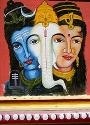 Once vishnu and brahma had an arguement that who is the greater he brahma the creator or he vishnu the sustainer and suddenly the linga came from nowhere,now both of them wanted to find the beginning and the end of this linga ,so brahma took the form of swan and set out to find the end and vishnu took the form of boar and set out to find the beginning , even after thousands of years they couldnt find the beginning and the end of the linga and hence both of them gave up, but brahma didnt accept his defeat in front of vishnu he lied he said that he had found the end ,just at that time shiva appears from the linga and tells vishnu that brahma is lying , shiva curses brahma that he will not be worshipped anymore and vishnu gets enlightened and understands that God has neither a beginning nor and end.
 Far out at sea the water is as blue as the bluest corn flower, and as clear as the clearest crystal; but it is very deep, too deep for any cable to fathom, and if many steeples were piled on the top of one another they would not reach from the bed of the sea to the surface of the water. It is down there that the Mermen live.
 By daybreak all the storm was over, of the ship not a trace was to be seen; the sun rose from the water in radiant brilliance, and his rosy beams seemed to cast a glow of life into the prince's cheeks, but his eyes remained closed. The mermaid kissed his fair and lofty brow, and stroked back the dripping hair; it seemed to her that he was like the marble statue in her little garden; she kissed him again and longed that he might live.
 She knew now where he lived, and often used to go there in the evenings and by night over the water. She swam much nearer the land than any of the others dared; she even ventured right up the narrow channel under the splendid marble terrace which threw a long shadow over the water. She used to sit here looking at the young prince, who thought he was quite alone in the clear moonlight.
 The sun had not risen when she came in sight of the prince's palace and landed at the beautiful marble steps. The moon was shining bright and clear. The little mermaid drank the burning, stinging draught, and it was like a sharp, two-edged sword running through her tender frame; she fainted away and lay as if she were dead. When the sun rose on the sea she woke up and became conscious of a sharp pang, but just in front of her stood the handsome young prince, fixing his coal black eyes on her; she cast hers down and saw that her fish's tail was gone, and that she had the prettiest little white legs any maiden could desire; but she was quite naked, so she wrapped her long thick hair around her. The prince asked who she was and how she came there. She looked at him tenderly and with a sad expression in her dark blue eyes, but could not speak. Then he took her by the hand and led her into the palace. Every step she took was, as the witch had warned her beforehand, as if she were treading on sharp knives and spikes, but she bore it gladly; led by the prince, she moved as lightly as a bubble, and he and every one else marvelled at her graceful gliding gait.
 The prince asked who she was and how she came there; she looked at him tenderly and with a sad expression in her dark blue eyes, but could not speak.
  Now the sun rose from the sea and with its kindly beams warmed the deadly cold foam, so that the little mermaid did not feel the chill of death. She saw the bright sun, and above her floated hundreds of beauteous ethereal beings, through which she could see the white ship and the rosy heavens; their voices were melodious, but so spirit-like that no human ear could hear them, any more than earthly eye could see their forms. Light as bubbles they floated through the air without the aid of wings. The little mermaid perceived that she had a form like theirs; it gradually took shape out of the foam. 'To whom am I coming?' said she, and her voice sounded like that of the other beings, so unearthly in its beauty that no music of ours could reproduce it.
 'We might reach it sooner,' whispered one. 'Unseen we flit into those homes of men where there are children, and for every day that we find a good child who gives pleasure to its parents and deserves their love God shortens our time of probation. The child does not know when we fly through the room, and when we smile with pleasure at it one year of our three hundred is taken away. But if we see a naughty or badly disposed child, we cannot help shedding tears of sorrow, and every tear adds a day to the time of our probation.'
 India has right to protect itself: Obama
 People hold a candle-light vigil, for the victims of the terrorist attack in Mumbai. (AP Photo)

 प्रो. श्याम मनोहर पांडेय के सम्मान में इटालियन विद्वानों की संगोष्ठी
 भारतीय जीवन मूल्यों के अंतर्राष्ट्रीय प्रचार प्रसार के लिए समर्पित सामाजिक, साहित्यिक एवं सांस्कृतिक संस्था "विश्वम्भरा" का छठा वार्षिकोत्सव और स्थापनादिवस व्याख्यान १२ नव. २००८, बुधवार को आन्ध्रप्रदेश हिन्दी अकादमी के गगनविहार, नामपल्ली, हैदराबाद स्थित सभागार में आयोजित किया गया।
 इस अवसर पर चंद्रमौलेश्वर प्रसाद (कोषाध्यक्ष), द्वारका प्रसाद मायछ ( संरक्षक), गुरुदयाल अग्रवाल, श्रीनिवास सोमानी, वीरप्रकाश लाहोटी सावन, वेणुगोपाल भट्टड़ (ख्यातकवि), भँवरलाल उपाध्याय, रामजी सिंह उदयन( सम्पादक - डेली हिन्दी मिलाप), एफ.एम. सलीम (पत्रकार), के. प्रवीण, शिवकुमार राजौरिया, के. दास, कैलाशवती, आर. सुरेंद्र, श्रद्धा तिवारी, के. रवि, आनंद लालाजी, पी.आर. घनाते (सं.- मिलिन्द), पवित्रा अग्रवाल ( कथाकार), लक्ष्मीनारायण अग्रवाल ( कवि कथाकर), रूबी मिश्र, अभिषेक दाधीच, आशादेवी सोमानी(सम्पादक- अहल्या), तुलजाप्रसाद विमल, जी. परमेश्वर, डॉ. अनुपमा, डॉ. बी. सत्यनारायण( अकादमी के शोध सहायक), डॉ. बी.बालाजी, डॉ.प्रभाकरत्रिपाठी (अध्यक्ष-हिन्दीविभाग, हि.महावि.), डॉ.रेखा शर्मा (अध्यक्ष, हिं. विभाग विवेकवर्धिनी ), डॉ. अहिल्या मिश्र, डॉ. टी. मोहन सिंह(पूर्व प्राचार्य व अध्यक्ष हि.वि. उस्मानिया वि.वि.), डॉ. जे.वी.कुलकर्णी, शेखर, रामकृष्णा आदि ने अपनी सक्रिय भागीदारी से चर्चा-परिचर्चा और समारोह को जीवंत बनाया।
  नए दौर को अब नया व्याकरण दें
