Gandhiji once said, " Prayer is not asking. It is a longing of the soul. It is daily admission of one's weakness. It is better in prayer to have a heart without words than words without a heart."
You may call it an over sentimental attitude or an impractical one but I feel same goes for literature or creativity; if the heart is not there...that pressing urge to create ...that longing of the soul, one can not remain fully committed creativity...it is that hunger of soul, which makes it a relish. We can blab on endlessly without putting our fingers on the pulse of the time...recognizing its need , understanding its pain and sharing its joys! Words like any other tool are rusty or ineffective if not employed fully & whole heartedly
This is Lekhni's new look 2008 's first issue. Hope readers will like it as much as they did the older layout, if not better.
Lekhni has tried to raise few questions here (as always) Feminism has gradually become more far-ranging and subtle in its attacks on male-dominated society. Many injustices still need to be corrected, but equally necessary is a more down-to-earth, tolerant and compassionate view of fellow human beings by both sexes.
Enjoy all the variety of poems, story and article, Lekhni has managed to assemble this month ..
My heart is like a singing bird Whose nest is in a water'd shoot; My heart is like an apple-tree Whose boughs are bent with thick-set fruit; My heart is like a rainbow shell That paddles in a halcyon sea; My heart is gladder than all these, Because my love is come to me.
Raise me a daïs of silk and down; Hang it with vair and purple dyes; Carve it in doves and pomegranates, And peacocks with a hundred eyes; Work it in gold and silver grapes, In leaves and silver fleurs-de-lys; Because the birthday of my life Is come, my love is come to me.
-Christina Rossetti
If thou must love me, let it be for nought
If thou must love me, let it be for nought Except for love's sake only. Do not say "I love her for her smile her look her way Of speaking gently, for a trick of thought That falls in well with mine, and certes brought A sense of ease on such a day" For these things in themselves, Beloved, may Be changed, or change for thee, and love, so wrought, May be unwrought so. Neither love me for Thine own dear pity's wiping my cheek dry, A creature might forget to weep, who bore Thy comfort long, and lose thy love thereby! But love me for love's sake, that evermore Thou may'st love on, through love's eternity.
I am like sand in the hourglass which can be time only in falling
Trees Had Eyes Once
Trees had eyes once, I could swear, I know for sure That when I was a tree I could see,
I remember being in wonder At the peculiar wings of birds As they passed in front of me,
But whether the birds guessed my eyes, I can no longer tell. Now I look in vain for the eyes of trees
Perhaps I cannot see them Because I'm a tree no more, Or perhaps they've gone down through their roots Into the ground,
Or perhaps Who knows So it seemed only to me And trees have been blind from the beginning...
But then why When to them I come close Do I feel how They follow me with their glances In a familiar way,
Why, when they rustle and blink With their thousands of eyelids, Do I feel like shouting- What have you seen?...
The Closed Eye
I don't dare close my eyes an instant for fear of crushing the world between my eyelids, of hearing it crack noisily like a hazelnut between the teeth.
How much longer can I steal from sleep? How much longer can I keep it alive?
I look on in despair and pity like a dog the helpless universe that will disappear within my closed eye.
Ties
Everything is I myself Give me a leaf that doesn't look like me, Help me find an animal That doesn't moan with my voice.
Wherever I tread the earth splits, And I see the dead who bear my image Embracing and begetting other dead.
Why so many ties with the world, So many parents and enforced decendents And all this lunatic likeness?
The universe haunts me with a thousand face of mine And my only defence is to hit out at myself.
The most notable thing about Time is that it is so purely relative. A large amount of reminiscence is, by common consent, conceded to the drowning man; and it is not past belief that one may review an entire courtship while removing one's gloves.
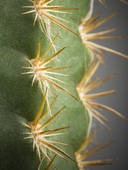
That is what Trysdale was doing, standing by a table in his bachelor apartments. On the table stood a singular-looking green plant in a red earthen jar. The plant was one of the species of cacti, and was provided with long, tentacular leaves that perpetually swayed with the slightest breeze with a peculiar beckoning motion.
Trysdale's friend, the brother of the bride, stood at a sideboard complaining at being allowed to drink alone. Both men were in evening dress. White favors like stars upon their coats shone through the gloom of the apartment.
As he slowly unbuttoned his gloves, there passed through Trysdale's mind a swift, scarifying retrospect of the last few hours. It seemed that in his nostrils was still the scent of the flowers that had been banked in odorous masses about the church, and in his ears the lowpitched hum of a thousand well-bred voices, the rustle of crisp garments, and, most insistently recurring, the drawling words of the minister irrevocably binding her to another.
From this last hopeless point of view he still strove, as if it had become a habit of his mind, to reach some conjecture as to why and how he had lost her. Shaken rudely by the uncompromising fact, he had suddenly found himself confronted by a thing he had never before faced --his own innermost, unmitigated, arid unbedecked self. He saw all the garbs of pretence and egoism that he had worn now turn to rags of folly. He shuddered at the thought that to others, before now, the garments of his soul must have appeared sorry and threadbare. Vanity and conceit? These were the joints in his armor. And how free from either she had always been--But why--
As she had slowly moved up the aisle toward the altar he had felt an unworthy, sullen exultation that had served to support him. He had told himself that her paleness was from thoughts of another than the man to whom she was about to give herself. But even that poor consolation had been wrenched from him. For, when he saw that swift, limpid, upward look that she gave the man when he took her hand, he knew himself to be forgotten. Once that same look had been raised to him, and he had gauged its meaning. Indeed, his conceit had crumbled; its last prop was gone. Why had it ended thus? There had been no quarrel between them, nothing--
For the thousandth time he remarshalled in his mind the events of those last few days before the tide had so suddenly turned.
She had always insisted upon placing him upon a pedestal, and he had accepted her homage with royal grandeur. It had been a very sweet incense that she had burned before him; so modest (he told himself); so childlike and worshipful, and (he would once have sworn) so sincere. She had invested him with an almost supernatural number of high attributes and excellencies and talents, and he had absorbed the oblation as a desert drinks the rain that can coax from it no promise of blossom or fruit.
As Trysdale grimly wrenched apart the seam of his last glove, the crowning instance of his fatuous and tardily mourned egoism came vividly back to him. The scene was the night when he had asked her to come up on his pedestal with him and share his greatness. He could not, now, for the pain of it, allow his mind to dwell upon the memory of her convincing beauty that night--the careless wave of her hair, the tenderness and virginal charm of her looks and words. But they had been enough, and they had brought him to speak. During their conversation she had said:
"And Captain Carruthers tells me that you speak the Spanish language like a native. Why have you hidden this accomplishment from me? Is there anything you do not know?"
Now, Carruthers was an idiot. No doubt he (Trysdale) had been guilty (he sometimes did such things) of airing at the club some old, canting Castilian proverb dug from the hotchpotch at the back of dictionaries. Carruthers, who was one of his incontinent admirers, was the very man to have magnified this exhibition of doubtful erudition.
But, alas! the incense of her admiration had been so sweet and flattering. He allowed the imputation to pass without denial. Without protest, he allowed her to twine about his brow this spurious bay of Spanish scholarship. He let it grace his conquering head, and, among its soft convolutions, he did not feel the prick of the thorn that was to pierce him later.
How glad, how shy, how tremulous she was! How she fluttered like a snared bird when he laid his mightiness at her feet! He could have sworn, and he could swear now, that unmistakable consent was in her eyes, but, coyly, she would give him no direct answer. "I will send you my answer to-morrow," she said; and he, the indulgent, confident victor, smilingly granted the delay. The next day he waited, impatient, in his rooms for the word. At noon her groom came to the door and left the strange cactus in the red earthen jar. There was no note, no message, merely a tag upon the plant bearing a barbarous foreign or botanical name. He waited until night, but her answer did not come. His large pride and hurt vanity kept him from seeking her. Two evenings later they met at a dinner. Their greetings were conventional, but she looked at him, breathless, wondering, eager. He was courteous, adamant, waiting her explanation. With womanly swiftness she took her cue from his manner, and turned to snow and ice. Thus, and wider from this on, they had drifted apart. Where was his fault? Who had been to blame? Humbled now, he sought the answer amid the ruins of his self-conceit. If--
The voice of the other man in the room, querulously intruding upon his thoughts, aroused him.
"I say, Trysdale, what the deuce is the matter with you? You look unhappy as if you yourself had been married instead of having acted merely as an accomplice. Look at me, another accessory, come two thousand miles on a garlicky, cockroachy banana steamer all the way from South America to connive at the sacrifice--please to observe how lightly my guilt rests upon my shoulders. Only little sister I had, too, and now she's gone. Come now! take something to ease your conscience."
"I don't drink just now, thanks," said Trysdale.
" Your brandy," resumed the other, coming over and joining him, "is abominable. Run down to see me some time at Punta Redonda, and try some of our stuff that old Garcia smuggles in. It's worth the, trip. Hallo! here's an old acquaintance. Wherever did you rake up this cactus, Trysdale?"
"A present," said Trysdale, "from a friend. Know the species?"
" Very well. It's a tropical concern. See hundreds of 'em around Punta every day. Here's the name on this tag tied to it. Know any Spanish, Trysdale?"
"No," said Trysdale, with the bitter wraith of a smile--"Is it Spanish?"
" Yes, The natives imagine the leaves are reaching out and beckoning to you. They call it by this name--Ventomarme. Name means in English,
'केदार सम्मान' - २००७ निर्णीत 'केदार शोध पीठ न्यास' बान्दा द्वारा सन् १९९६ से प्रति वर्ष प्रतिष्ठित प्रगतिशील कवि केदारनाथ अग्रवाल की स्मृति में दिए जाने वाले साहित्यिक 'केदार-सम्मान' का निर्णय हो गया है। वर्ष २००७ का केदार सम्मान कवयित्री सुश्री अनामिका को उनके काव्य-संग्रह 'खुरदरी हथेलियाँ ' के लिए प्रदान किए जाने का निर्णय किया गया है। यह सम्मान प्रतिवर्ष ऐसी प्रतिभाओं को दिया जाता है जिन्होंने केदार की काव्यधारा को आगे बढ़ाने में अपनी रचनाशीलता द्वारा कोई अवदान दिया हो। प्रकृति-सौन्दर्य व मानवमूल्यों के प्रबल समर्थक कवि केदारनाथ अग्रवाल की ख्याति उनकी कविताओं के टटकेपने व अछूते बिम्बविधान के साथ साथ कविताओं की सादगी व सहजता के कारण विशिष्ट रही। 'केदार शोध पीठ न्यास' केदार जी के काव्य अवदान को आगामी पीढ़ी तक पहुँचाने व उनमे काव्य के उस स्तर की पहचान विनिर्मित करने के उद्देश्य से गठित की गई संस्था है। प्रति वर्ष सम्मान का निर्णय कविताओं की वस्तु व विन्यास की इसी कसौटी को ध्यान में रखते हुए ही किया जाता है। इसकी निर्णायक समिति में साहित्य के ५ मर्मज्ञ विद्वान सम्मिलित हैं। प्रति वर्ष सितम्बर में इस पुरस्कार के लिए देश-विदेश के हिन्दी रचनाकारों से प्रविष्टियाँ आमन्त्रित की जाती हैं। अब तक यह पुरस्कार जिन रचनाकारों को प्रदान किया गया है, उनमे अनामिका तीसरी स्त्री रचनाकार हैं। इस से पूर्व सुश्री गगन गिल व सुश्री नीलेश रघुवंशी को इस श्रेणी में गिना जाता था।
सुश्री अनामिका का औपचारिक परिचय इस प्रकार है-- जन्म : 17 अगस्त 1961, मुजफ्फरपुर(बिहार)। शिक्षा : दिल्ली विश्वविद्यालय से अँग्रेजी में एम.ए., पी.एचडी.। अध्यापन- अँग्रेजी विभाग, सत्यवती कॉलेज, दिल्ली विश्वविद्यालय। कृतियाँ : गलत पते की चिट्ठी(कविता), बीजाक्षर(कविता), अनुष्टुप(कविता),पोस्ट–एलियट पोएट्री (आलोचना),स्त्रीत्व का मानचित्र(आलोचना),कहती हैं औरतें(कविता–संपादन),एक ठो शहर : एक गो लड़की(शहरगाथा) पुरस्कार/सम्मान : राष्ट्रभाषा परिषद् पुरस्कार, भारत भूषण अग्रवाल पुरस्कार, गिरिजाकुमार माथुर पुरस्कार, ऋतुराज सम्मान और साहित्यकार सम्मान पूर्व वर्षों की भांति यह पुरस्कार आगामी अगस्त माह में बान्दा में आयोजित होने वाले एक भव्य समारोह में प्रदान किया जाएगा इस पुरस्कार के लिए केदार सम्मान समिति, केदार शोधपीठ न्यास,'विश्वम्भरा', 'हिन्दी भारत' समूह व हमारी ओर से अनामिका जी को अनेकश: शुभकामनाएँ। ~कविता वाचक्नवी
* * *
लेखनी और उसके पाठक समूह की तरफ से भी अनेकानेक बधाइयां और उनकी संवेदनशील लेखनी की दीर्घ आयु की कामना के साथ प्रस्तुत हैं उनकी तीन कविताएँ,
चौका
(अनामिका)
पृथ्वी ज्वालामुखी बेलते हैं पहाड़ भूचाल बेलते हैं घर सन्नाटे शब्द बेलते हैं, भाटे समुंदर।
रोज सुबह सूरज में एक नया उचकुन लगाकर एक नई धाह फेंककर मैं रोटी बेलती हूँ जैसे पृथ्वी। पृथ्वी– जो खुद एक लोई है सूरज के हाथों में रख दी गई है, पूरी की पूरी ही सामने कि लो, इसे बेलो, पकाओ जैसे मधुमक्खियाँ अपने पंखों की छांह में पकाती हैं शहद।
सारा शहर चुप है धुल चुके हैं सारे चौकों के बर्तन। बुझ चुकी है आखिरी चूल्हे की राख भी और मैं अपने ही वजूद की आंच के आगे औचक हड़बड़ी में खुद को ही सानती खुद को ही गूंधती हुई बार-बार खुश हूँ कि रोटी बेलती हूँ जैसे पृथ्वी।
-----------------------------------------------
एक औरत का पहला राजकीय प्रवास
(अनामिका)
वह होटल के कमरे में दाखिल हुई अपने अकेलेपन से उसने बड़ी गर्मजोशी से हाथ मिलाया।
कमरे में अंधेरा था घुप्प अंधेरा था कुएं का उसके भीतर भी !
सारी दीवारें टटोली अंधेरे में लेकिन 'स्विच' कहीं नहीं था पूरा खुला था दरवाजा बरामदे की रोशनी से ही काम चल रहा था सामने से गुजरा जो 'बेयरा' तो आर्त्तभाव से उसे देखा उसने उलझन समझी और बाहर खड़े-ही-खड़े दरवाजा बंद कर दिया।
जैसे ही दरवाजा बंद हुआ बल्बों में रोशनी के खिल गए सहस्रदल कमल ! "भला बंद होने से रोशनी का क्या है रिश्ता?" उसने सोचा।
डनलप पर लेटी चटाई चुभी घर की, अंदर कहीं– रीढ़ के भीतर ! तो क्या एक राजकुमारी ही होती है हर औरत ? सात गलीचों के भीतर भी उसको चुभ जाता है कोई मटरदाना आदम स्मृतियों का ?
पढ़ने को बहुत-कुछ धरा था पर उसने बांची टेलीफोन तालिका और जानना चाहा अंतरराष्ट्रीय दूरभाष का ठीक-ठीक खर्चा।
फिर, अपनी सब डॉलरें खर्च करके उसने किए तीन अलग-अलग कॉल।
सबसे पहले अपने बच्चे से कहा– "हैलो-हैलो, बेटे– पैकिंग के वक्त... सूटकेस में ही तुम ऊंघ गए थे कैसे... सबसे ज्यादा याद आ रही है तुम्हारी तुम हो मेरे सबसे प्यारे !"
अंतिम दो पंक्तियाँ अलग-अलग उसने कहीं आफिस में खिन्न बैठे अंट-शंट सोचते अपने प्रिय से फिर, चौके में चिंतित, बर्तन खटकती अपनी माँ से।
... अब उसकी हुई गिरफ्तारी पेशी हुई खुदा के सामने कि इसी एक जुबां से उसने तीन-तीन लोगों से कैसे यह कहा– "सबसे ज्यादा तुम हो प्यारे !" यह तो सरासर है धोखा सबसे ज्यादा माने सबसे ज्यादा !
लेकिन, खुदा ने कलम रख दी और कहा– "औरत है, उसने यह गलत नहीं कहा !"
उन्हें हमेशा जल्दी रहती है उनके पेट में चूहे कूदते हैं और खून में दौड़ती है गिलहरी! बड़े-बड़े डग भरते चलते हैं वे तो उनका ढीला-ढाला कुर्तातन जाता है फूलकर उनके पीछे जैसे कि हो पाल कश्ती का!
बोरियों में टनन-टनन गाती हुई रम की बोतलें उनकी झुकी पीठ की रीढ़ से कभी-कभी कहती हैं- ' कैसी हो","कैसा है मंडी का हाल?"
बढ़ते-बढ़ते चले जाते हैं वे पाताल तक और वहाँ लग्गी लगाकर बैंगन तोड़ने वाले बौनों के वास्तेबना देते हैं माचिस के खाली डिब्बों के छोटे-छोटे कई घर खुद तो वे कहीं नहीं रहते, पर उन्हें पता है घर का मतलब!
वे देखते हैं कि अकसर चींते भी कूड़े के ठोंगों से पेड़ा खुरचकर ले जाते हैं अपने घर! ईश्वर अपना चश्मा पोंछता है सिगरेट की पन्नी उनसे ही लेकर।
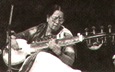
सरोद की सिद्धहस्त और अप्रतिम साधिका शरन रानी कल हमारे बीच नहीं रहीं। लगन इतनी कि नाम ही सरोद रानी पड़ गया। यह शोक समाचार श्री अशोक चक्रधर जी ने हमें दिया। संगीत की यह क्षति तो कभी पूर्ण नहीं होगी परन्तु उनकी साधना सींडीं और अन्य रिकौर्डिंग के रूप में आने वाली कई-कई पीढ़ियों के बीच अवश्य गूंजती रहेगी। ' ईश्वर दिवगंत आत्मा को शांति दे और पीछे छूटे परिवार व प्रियजनों को धैर्य।' इसी श्र्द्धा-सुमन व प्रार्थना के साथ प्रस्तुत है लेखनी के पाठकों के लिए श्री अशोक चक्रधर जी की भावभीनी श्रद्धांजली;
चली गईं सरोद रानी
-अशोक चक्रधर
कहते हैं कि जब मौत आती है तो इंसान को कहीं भी शरन नहीं मिलती, पर उलटा हो गया। मौत को शरन मिल गई। आठ अप्रैल दो हज़ार आठ को शरन रानी नहीं रहीं।
आज वे अस्सीवें वर्ष में प्रवेश करतीं पर एक दिन पहले ही अपनी ज़िन्दगी की सी. डी. रिलीज़ करा के सीढ़ी चढ़ गईं। यस्टरडे तक सरोद गुंजाया और अपना म्यूज़िक टुडे को दे गईं। लोग उन्हें कहते थे सरोद रानी। सघन अंधेरे में जैसे कौंध-कौंध उठती हो सरोद की विद्युत, उस तड़ित्तरंगीय गतिमयता में प्रारम्भ हो जाए आलाप, जो धीरे-धीरे बढ़ता जाए, झाला की नक्षत्र-माला तक। तारामंडल खिल उठें और फैल जाए उजाला, गुरु शरन रानी के नाम का।
शरन रानी जी का जन्म 9 अप्रैल, 1929 को दिल्ली के एक जाने माने कायस्थ माथुर परिवार में हुआ। उस कायस्थ परिवार में साहित्य, संगीत, कलाओं के प्रति प्रेम भाव तो था लेकिन लड़कियां उसमें आगे बढ़-चढ़कर हिस्सा लें इसकी मनाही थी। धुन की धनी शरन जी ने प्रतिकूल वातावरण को बचपन से ही अनुकूल बना लिया, और आगे भी संघर्ष करती रहीं।
सरोद घर में बड़े भैया लाए थे अपनी श्रीमती जी को सिखाने के लिए, पर नन्हीं शरन रानी ने देखा कि भाभी तो खान-पान, घर-परिवार और गृहस्थी में डूबी हुई हैं, कहां सीखेंगी। लिया एक सिक्का, छेड़ दिए स्वर, आनंद आया, सरगम निकाली। सा-रे-ग-म निकल आए तो फिर क्या था, वह वाद्य इनका हो गया और ये उस वाद्य की हो गईं।
बहुत सारे प्रथम जुड़े हैं उनके नाम के आगे। गुरु शरन रानी प्रथम महिला थीं जिन्होंने सरोद जैसे मर्दाना साज को संपूर्ण ऊंचाई दी। वे प्रथम महिला थीं जो संगीत को लेकर पूरे भूमंडल में घूमीं, विदेश गईं। वे प्रथम महिला थीं जिन्हें सरोद के कारण विभिन्न प्रकार के सम्मान मिले। वे प्रथम महिला थीं जिन्हें सरोद पर डॉक्टरेट की उपाधियों से नवाज़ा गया। वे प्रथम महिला थीं जिन्होंने पंद्रहवीं शताब्दी के बाद बने हुए वाद्य यंत्रों को न केवल संग्रहीत किया बल्कि राष्ट्रीय संग्रहालय को दान में दे दिया। वे प्रथमों में प्रथम थीं।
उनके प्रयत्नों में आई कभी कमी नहीं।
उनकी संगीत साधना कभी थमी नहीं।
नेहरू जी कहा करते थे कि शरन रानी तो हमारी कला और संस्कृति की राजदूत हैं। सही कहा था पंडित जी ने, शरन जी देश-देशांतर तक घूमीं। सरोद को उन्होंने विश्व-विख्यात किया।
उनके गुरु बाबा अलाउद्दीन खां गजब के इंसान थे। वे संसार का हर बाजा बजा सकते थे। जो चीज़ न भी बजे वह भी बज उठती थी उनके स्पर्श से।
युवा और अपूर्व सुन्दरी शरन रानी को यों ही शरन में नहीं लिया बाबा ने। शिष्यों को गाय की सानी करनी पड़ती थी, चिलम भरनी पड़ती थी। रसोई में समय देना होता था। और दस-दस घण्टे के रियाज़ की पाबन्दी। संभ्रांत-रईस परिवार की शरन रानी ने औघड़ बाबा की सारी बात मानीं।
नई पीढ़ी को अगर बताना हो कि क्या होती है गुरु-शिष्य परंपरा, क्या होता है परंपरा प्रदान करने की प्रक्रिया का सिलसिला, तो बाबा और शरन रानी जी के आपसी रिश्तों को बड़ी गहराई से समझना होगा। गुरु ऐसे ही विद्या नहीं देता, जब तक कि शिष्य में पूरी लगन न हो, निष्ठा न हो। उस निष्ठा की प्रतिमूर्ति बनकर शरन रानी बार-बार मैहर जाती रहीं। संगीत सीखना है तो गुरुभक्ति निष्ठा से करनी होगी। उन्होंने ठान लिया कि सीखकर ही मानेंगी। गगन को गुंजा देंगी सरोद के सुरों से।
कला मर जाती है, अगर जीवन-साथी सहारा न दे। पति भी सरोद जैसा ही मिला। सुरीला सुल्तान सिंह बाकलीवाल। उन्होंने शरन जी को सदा उत्साहित किया और आगे लाने के लिए पीछे-पीछे रहे।
आश्चर्य की बात है कि बाबा विभिन्न वाद्यों को सम्पूर्ण कुशलता से बजाते थे, कहां सितार, कहां बांसुरी, कहां सरोद! वे विलक्षण स्वर-सम्राट थे और सारे वाद्य-यंत्रों से प्यार करते थे। वाद्यों के प्रति यह प्रेम, परंपरा के रूप में शरन रानी जी के पास आया। वे भी वाद्यों से प्यार करने लगीं। पति सुल्तान सिंह बाकलीवाल के सहयोग से वाद्य-यंत्रों का एक विशाल भंडार उनके पास इकट्ठा हो गया। कहीं वो आदिवासी क्षेत्रों से अनूठे प्राचीन वाद्य लेकर आईं, कहीं उनको ग्रामीण लोक वाद्य मिले। तरह-तरह के तंत्री-वाद्य और ताल वाद्य। वे सब के सब उन्होंने भारत सरकार के अधीन राष्ट्रीय संग्रहालय को दान में दे दिए। 'शरन रानी बाकलीवाल गैलरी' बनी, जिसका उद्घाटन किया था श्रीमती इंदिरा गांधी ने। इस संग्रहालय को शरन जी निरंतर संपन्न करती रहीं। उनके वाद्यों पर डाक टिकट जारी हुए। सरोद पर भी, बांसुरी पर भी और मृदंग पर भी।
क्या चाहिए कलाकार को? पैसा। पैसा तो शरन जी के पास पहले से था। पैसे के लिए तो वो संगीत के पीछे भागी नहीं। संगीत तो एक प्यास थी, तड़प थी, एक आकर्षण था, एक चुंबक थी जिसके पीछे शरन दीवानी सी रहती थीं। क्या चाहिए कलाकार को? यश। हां, यश चाहिए। किसी के पीछे दौड़ी नहीं शरन जी। डॉ. ज़ाकिर हुसैन द्वारा सम्मानित किया गया। आर. के. नारायण द्वारा उन्हें पद्मभूषण से सम्मानित किया गया। न जाने कितने मंचों पर, न जाने कितनी बार उन्हें सम्मानित किया गया। सम्मान शरन जी के पीछे-पीछे दौड़ा, सम्मानों के पीछे शरन जी कभी नहीं दौड़ीं।
व्यवहार और शास्त्र दोनों साथ-साथ चलते हैं। जहां एक ओर शरन रानी जी ने सरोद को बजाया, वहीं उसके शास्त्रीय पक्ष को भी अनदेखा नहीं रखा। उन्होंने सरोद को लेकर काफी शोध-कार्य किया। कालिदास के 'मेघदूत' से यह सूत्र निकाला कि मेघों ने अपना रास्ता बदल लिया था चूंकि उनके अधिक नीचे आने पर अलकापुरी में रहने वाले संगीतकारों के साज़ों के सुर उतर जाते थे। यह बात तय है कि उन्हीं साज़ों के सुर उतरते हैं जो चमड़े से बने हुए होते हैं। सरोद एक ऐसा ही वाद्य है जिस पर चमड़ा लगा रहता है। यानी सरोद एक प्राचीन भारतीय वाद्य है। वे कहती थीं कि सरोद नाम के मूल में 'स्वरोदय' रहा है। संगीत के कुछ विद्वान मानते हैं कि सरोद वाद्य मध्य एशिया से आया। वे मतभेद रख सकते हैं। शोध और भी होनी चाहिए। वैसे शोध हो भी जाए तो लाभ क्या? एक समाचार चैनल में शरन जी के देहावसान की ख़बर देते समय उन्हें सितार-वादिका बताया जा रहा था। सरोद और सितार में उनके लिए कोई फ़र्क ही नहीं है। क्या कहें उनको, याद कर लिया यही क्या कम है।
बाबा अलाउद्दीन खां व्यवहार से शास्त्र गढ़ते थे। उन्होंने कितने ही नए वाद्य बना दिए। उनका बनाया हुआ एक सितार बैंजो मेरे पास भी है। मैहर बैंड बनाया था बाबा ने जिसमें अनेक सुरीले वाद्यों का समन्वय था।
शरन जी ने एक बार बताया कि कठिन परीक्षा लेते थे बाबा। सरोद पर कोई एक मींड़-मुरकी निकल नहीं पा रही थी। बाबा ने कई बार समझाया, लेकिन स्वरों के बीच से श्रुतियों की सही लड़ी पकड़ में नहीं आ रही थी। बाबा ने अपने हुक्के में गहरा कश मारा और चिलम से निकली एक लहराती हुई सी चिंगारी। बाबा ने कहा ऐसे, ऐसे, हां ऐसे निकालो। सरोद का तार उँगली के दबाव के साथ परदे पर चिंगारी की तरह लहराया और वह नाद अधिकतम सुरीला होकर निकल आया।
बाबा जब देह त्याग कर गए तो न तो उनके परम शिष्य रवि शंकर आ सके न उनके दूसरे कुटुम्बी जन। दिल्ली से दौड़ी-दौड़ी गई थीं शरन रानी। चाहती तो थीं बाबा की मैयत को कंधा देना, लेकिन परंपरावादियों ने मना कर दिया। अल्लाह का भेजा हुआ कोई एक मौलवी था जिसने कहा कि मिट्टी की पहली मुट्ठी शरन रानी की होगी।
ऐसे गए तो क्या गए जैसे बादल की छाया चली जाती है। जाओ तो ऐसे कि बादलों के जाने के बाद भी आंसुओं की तरह बरसते रहो। शरन जी की याद में आते हुए आंसू सिर्फ दुःख के नहीं हैं। इन बूंदों में हमारी शास्त्रीय संगीत की साधनाओं को सलाम है। कल उनकी चिता से जो लहराती हुई चिंगारियां निकल रही थीं, उनसे कितने लोगों ने श्रुतियों और मींड़ों को पकड़ा होगा। लोग आँख मींड़ कर आंसू पौंछ लेंगे पर वैसी मींड़ कौन निकालेगा?


















































































































 Gandhiji once said, " Prayer is not asking. It is a longing of the soul. It is daily admission of one's weakness. It is better in prayer to have a heart without words than words without a heart."


 The most notable thing about Time is that it is so purely relative. A large amount of reminiscence is, by common consent, conceded to the drowning man; and it is not past belief that one may review an entire courtship while removing one's gloves.
 'Come and take me.'


 सुश्री अनामिका का औपचारिक परिचय इस प्रकार है-- जन्म : 17 अगस्त 1961, मुजफ्फरपुर(बिहार)। शिक्षा : दिल्ली विश्वविद्यालय से अँग्रेजी में एम.ए., पी.एचडी.।
 कहते हैं कि जब मौत आती है तो इंसान को कहीं भी शरन नहीं मिलती, पर उलटा हो गया। मौत को शरन मिल गई। आठ अप्रैल दो हज़ार आठ को शरन रानी नहीं रहीं।
  ऐसे गए तो क्या गए जैसे बादल की छाया चली जाती है। जाओ तो ऐसे कि बादलों के जाने के बाद भी आंसुओं की तरह बरसते रहो। शरन जी की याद में आते हुए आंसू सिर्फ दुःख के नहीं हैं। इन बूंदों में हमारी शास्त्रीय संगीत की साधनाओं को सलाम है। कल उनकी चिता से जो लहराती हुई चिंगारियां निकल रही थीं, उनसे कितने लोगों ने श्रुतियों और मींड़ों को पकड़ा होगा। लोग आँख मींड़ कर आंसू पौंछ लेंगे पर वैसी मींड़ कौन निकालेगा?
