Life shrinks or expands in proportion to one's courage. -Anais Nin
-16'th ISSUE-YEAR-2-
In this issue: Favourites Forever:Miroslav Holub, R.S.Thomas. Here & Now: Rishav Datt Agnihotri. Story: Tarsem Neelgiri. Dialogue: Asgar Wajhat. Kids' Corner: Story: Hans Christian Anderson. Poem: Annonymous.
Youth are the true wealth or driving force of any nation and India is a rich country as far as its younger generation is concerned, both in number and in talent! How can we, members of the older generation, help and direct them with our innumerable experiences...are some of the questions Lekhni has tried to entangle in this bravely forward marching magazine . Often it is said that today's youth is a bit of a ' loose cannon'; no ties to hold him back, no aim to achieve at! But, doesn't that all sound a bit too familiar? Haven't we heard it before... didn't our elders expressed the similar thoughts? So is it just an age old conflict between the two generations...or something more sinister; a failing to change or adopt to the changing times and its ever changing needs? Lekhni as always, is on a soul searching journey of ourselves and our society and in this issue under microscope are societies care takers...their need and aspirations, observations and grievances ... even few conclusions too. Enjoy reading!
Poetry Here & Now Presenting Young Poet Of Birmingham (These poems were written when he was only ten) Rishav Datt Agnihotri
Identity
He had a secret. He never said anything. He never said because he was ashamed and puzzled. Ashamed because he was only one among others.
Who am I? Would I be left out? So he went along with them. Now he has no doubt. But his family don't want to know him.
No-one to stick by him His life is dim He misses his culture He does'nt know much
What is his own as such? Don't be sad, don't feel bad It's a privillege to be someone different You may have some more flavour to add.
To my beloved Father
With whom I share my last name he was gone before I came I don't really know him with all my heart I vow him When I think about him my feelings never doubt him tears stop in my eyes my heart sinks it doesn't rise
if he was alive his love for me would jump and dive he'd love me like any other dad but you are gone, oh my beloved dad it makes me feel very sad he can't come back it's like getting the sack he can't express or confess anything he may want to do many things he is stuck in there where no-one would dare
he can't say hi he can't say bye he can cry but we wouldn't know why it's like an arrow with no bow or a crow with no beak it'll be hard not to seek
I will love him with all my heart i'll make sure we will never be apart.
Pakhar Singh ran a hand over his spiky stubble. " You, too, shall grow now. You were the first to be murdered by the white men." As this thought hit him, a deep sigh escaped his lips.
The moment he saw the tempo enter the outmost bounds of the village, Pakhar Singh called out aloud " Bai, just stop a while."
Saying "acchaji, " the driver brought the tempo to a sudden halt. Pakhar Singh stepped out. Momentarily, he looked skywards then bending his knees, he touched the ground with his head, lifted it once and laid it against the ground again. It was as if within minutes a great load had dropped away from his chest. Moving back into the tempo he said, "Let's go back bai."
" I thought you wanted to pee or something. But you bowed your head instead," said the tempowala. He just couldn't figure out what this walaytiya was up to. There was neither a Gurudwara,a mandir nor the grave of a peer in sight.
" No, it wasn't the urge to pee, " was almost all Pakhar Singh could get himself to say. Then he started looking out of the moving tempo. The fields were lush with kachoor. This was the sight his heart had been aching to glimpse for years now. So many times he had suppressed the tumult within. In nine years, only once had he been able to return to the village. But after a few months, his father Harnam Singh had forced him to pack bags and return to England again.
When the tempo finally pulled up outside their haveli, away from the main village, his heart danced with joy. Though, along with his two grandsons, Harnam Singh was busy attending to the small chores in the house, it was he who, hearing the knock, had immediately thrown the main gate open. Seeing Pakhar Singh step in, he was taken aback, but only for a moment. Collecting himself, he had said, " Aa bai, Young man! you've come. How you have been?"
“Hanh,” Pakhar Singh could not get himself to utter a word more. His eyes started streaming. Stepping forward, he enveloped his bapu in a bear hug. For a long time, he held on to bapu, sobbing all the while. Then he let out a shrill scream “ Oye bapu, oye bapu! Those bloody white men nearly killed me.”
Harnamsingh patted his back encouragingly. All along, standing in a corner, Pakhar Singh’s son had been looking at them, wide-eyed. The same father, about whom they had either heard from their grandfather or mother or read about in the letters, now stood facing them. They almost hurled themselves at Pakhar Singh. Turning away from bapu , he squeezed Ginda Nimha into a hug. That moment he felt a rare joy in being alive. In England, he had felt no more than an unfeeling mass of flesh. It was as if all the bonds had snapped within. ‘What a cruel land it was!’ Now he felt as though he was being transformed from a mass of flesh into a human being all over again.
“ So, how are you getting on with your studies?” Pakhar Singh asked his sons.
“ We’d written to you about it. I stood third and Nimha, fifth.”
“Aacha, that’s right. Why couldn’t you stand first?” Hearing Pakhar Singh speak in this manner, embarrassed, the boys started blushing.
The tempowala carried his luggage into the haveli. Pakhar Singh paid him whatever he asked for. Then, reversing his tempo, he chugged off. On hearing that Pakhar has arrived, people started linning up outside the haveli.
“ Wah, Wah! Now that’s wonderful. So Pakhar Singh ji, did you reach safely? I said to myself that a tempo has come into the village. Hengh. You never know it just might be Sardar Pakhar Singh, Bapuji never mentioned that you were coming.” Pakhar Singh and Watna had studied together up to class nine. As childhood friends, it was not uncommon for them to abuse and fight. Occasionally, their fights would leave them almost half-dead. Watna was now the watchman of the village. Conscious of the fact that Pakhar Singh had come from Walayat, he was adding ji each time he addressed him.
“ Even we did not receive any letter saying he was coming. In a way it’s a good that he’s come. My bones are beginning to crack up now,” replied Harnam Singh.
“ There is a limit beyond which you shouldn’t travel really. Ultimately having made your money, you must come back. There is no wisdom in making other place your home. And why should you? Taking advantage of your long absence, even cats and dogs start shitting in your house.” Staring at Pakhar Singh time and again, Watna felt a deep sense of satisfaction wash over him. He believed it to be his sacred duty to speak against all those who had left the village, never to return. On an impulse Pakhar Singh took out the purse from his pocket and handed Watna a currency note. He felt as if he was insulting him by giving a five rupee note. But Watna was apparently pleased with it.
Then assisted by Watna, his sons carried his luggage, inside. All along, he had dreaded the very prospect of going home, loaded with so many bags.
“Walaytia has come back ji. Pal Kaure, just look at his complexion. It is as if a mere touch would spoil it,” said Watna, putting his suitcase down. Pal Kaur was busy cooking the evening meal. Surprised as well as happy, she started thinking to herself: ‘I’m not going to speak to him. After all, he should have informed us before landing up like this. You do need time to dress up and look good. Now What would I look with my hair all scruffy!”
“Among the whites, he must have looked exactly like one of them.” This was Watna again.
“Bai , go and get some eggs. Now what will I cook at such a late hour?” saying this, she went inside took the money out of his closet and handed it to Watna.
“I’ll be back in a minute,” With these words Watna rushed out.
Meanwhile, Pakhar Singh and Harnam Singh had also come there. Pal Kaur looked at Pakhar Singh from behind her pallu. His complexion did appear milky-white. But Seeing the spiky stubble on his face, she could barely control her laughter. Pakhar Singh felt as though this was the loveliest day of his life. But he couldn’t get a proper glimpse of Pal Kaur’s face, hidden as it was behind pallu. Both of them stood there awhile, without exchanging a word. All that Pakhar Singh wanted to do was to step forward and enfold her into a tight squeeze. When Harnam Singh saw both of them standing in this awkward manner, he said ‘Pal Kaure , just take Pakhar Singh inside. Ask him if he wants water or something. We will go and get an iron chain for buffalo . It broke quite a few days ago.”
Harnam Singh left with Ginda . Nimha, the younger one, who was dying to tell his friends about his bapu’s return from Walayat, had already sneaked out of the house. After Harnam Singh left , Pal Kaur had just stood staring. No, she wasn’t going to speak to him. So he thought of breaking the ice himself, “ How have you been? Will you say something or not?”
“No, why didn’t you bother about us all along?”
“ Accha, I’ll ask you little this, then,” with these words, Pakhar Singh stepped forward and wrapped Pal Kaur into a tight embrace.
“If the desire was so strong, you could have written to let us know. At least, I could have spruced myse;f up a little.”
“Why, what’s wrong with your appearance? “ Tightening his hold he had started kissing Pal Kaur like a ravenously hungry person.
“You’d better not show this false affection now. Oh, this beard of yours is almost sticking nails into my face.” Slipping out of his arms, she started smiling. Pakha Singh felt happy that Pal kaur was no longer annoyed with him. Now she was simply pretending to be indifferent.
By the time night descended, several people had paid him the customary visit. He also felt like calling on some of his old friends. But it was rather darknow, So he decided to postpone it until the next day.Left with his own family, he decidedto to retireto the baithak with Harnam Singh. Pal Kaur was busy in the kitchen, pouring all her heart into cooking a sumptuous meal.
“ So how much leave do you have?” asked Harnam Singh, wrapping the blanket more tightly around .
“ Plenty of it.” Momentarily, Pakhar Singh felt like spilling the beans but on second thought he , he decided to check himself.
“ It must be quite cold out there, especially around this time of the year?”
“ What is there except freezing cold?”
“ But don’t you get all kinds of clothes to wrap your body in?”
By then the children has started putting various dishes on a small table.
“ Gindiya, get me some warm water as well. My teeth are aching, today” said Hariram Singh.
“ Accha bapuji,” is how Ginda responded, apparently in a bid to impress bapu with his wisdom. Ordinarily he never said anything more than ‘ Accha bapu.’ After tasting a little halwa, Pakhar Singh polished off several rotis with saag . It appeared as though he had been starved of food for the past several years. In fact, it was rotis made by Pal Kaur with her own two hands that he had actually been starved of. In England, the ome.lette was the staple diet of a single person. There saag was not available at all. Saag was something only a woman could make, and without Pal Kaur , saag was simply inconceivable.
Harnam Singh got up and left for the front portion of the haveli where he usually slept. Pal Kaur had already put both the boys to sleep in the chaubara. After setteling everything in the kitchen, she came and seated herself next to Pakhar Singh.
“What happiness did your Walayat give us?”
“ Why?”
“ Everyone has called their wives and children over. But you did absolutely nothing. This time we are going with you.” Pakhar Singh’s heart gave a lurch.’ Pal Kaur will definitely create trouble this time. She had been writing about it in her letters, too. ‘
“ But what do you want to do there?”
“ There must be plenty to do. Otherwise why would everyone head straight there?” Pal Kaur had left him defenceless Pakhar fell silent.He knew that it would be futile arguing it out with her. Head bowed, he had listenedto her remonstrations for a long time. It was only when she had exhausted herself completely didi he make love to her. She, too, was perhaps waiting for this moment. Slowly, Pal Kaur melted away like wax. Years of loneliness had made her miserable. Many-a-time, she had remembered Pakhar Singh and wept through long unending nights. Never in her life had Pal Kaur thought thought of anyone except Pakhar Singh. When Pakhar Singh switched it on, the light suddenly flooded the room. Noticing a big scar on his stomach, left by a wound already healed, she nearly screamed. “ Oh, my God! Your entire stomach has been ripped open?”
Turning his face away, Pakhar Singh got busy with pulling his night suit on. Within a few minutes, he had composed himself. He had decided that it wasn’t the most opportune moment to tell Pal Kaur all about it.
“ It was a sort of operation. Nothing to worry.” He had said, evading a straight answer. Taking a deep yawn, he repeated ‘ho, ho,’ stretching himself along the bed. Once or twice, Pal Kaur tried again to nettle him, but each time Pakhar Singh wriggled out, refusing to divulge anything.
The next morning , by the time he woke up, The sun was already shining overhead. He had awoken in the wee hours of morning as well , but then telling himself , ‘ Well, there isn’t any work I’ve to report for today’ he had slipped back into sleep again. Later dressing rather casually, he had proceeded towards the fields. While walking down, his thoughts had suddenly somersaulted to last night’s incident. Seeing the scar on his stomach, Pal kaur had, quite obviously, felt distressed. And that scene had come floating back to him, once again. Some two months ago. When he was on his way back from the bakery, after a late-night shift, two skinheadshad accosted him at the street corner. That very moment, a knife had been pushed deep inside him. He had lost consciousness. On coming to, he found himself in a hospital bed, all wired up, the dressing already done. Feeling a strong urge, he had made a determined bid to pull himself out of the bed so that he could go and hurl himself upon those skinheads. But so weak had he become that it was impossible for him to stretch his limbs, ever so little. Lying in the bed, he had made up his mind then that he wasn’t going to knock around in this country any longer. He just wouldn’t stay here now. The sheer injustice of making someone a target of a violant attack, without any provocation, had really made him indignant. Well if they wanted to have a fistfight with him , they should have atleast challenged him to it. Knifing an unarmed, defenceless person was a form cowardice he couldn’t quite comprehend. Nothing could now persuade him to stay on in England. The thought that he would have never ever seen the face of his children, again left him terribly jolted. And Pal Kaur would have cried her heart out, all her life. Once he felt a little better, the first thing he did was to book a ticket and head straight home.
“ Wah, bai Balatiyah ! What good fortune! Hengh, so when did you arrive?” Labha was coming from the other end, balancing a bucketful of fresh milk upon his head.
“Last night.”
For a long time they just stood there, sharing little things. “ I say these two fields of the sants are up for sale. Now is the time to buy. Then it might be too late.
“ We’ll see, “ Pakhar Singh responded.
“ So, how long is the leave this time?” asked Labha preparing to leave.
“ It’s all mine, now I’m not going back.”
“ Look at him, making light of the matter. Wallaytia has one leg in London and the other in Delhi. You’re not the kind who would ever live amidst this hunger and poverty.” After Labha had left, Pakhar Singh started feeling as if the entire village was hell-bent upon driving him out. ‘These bloody nylon shirts have driven entire Punjab crazy,’ he mused. Feeling a sudden sinking sensation he started hurling abuse at the Whites, which strangely enough, did relieve him. Wandering around in the fields outside, he felt extremely pleased with himself. The English weather had always depressed him. But the feel of his own soil was exhilarating, to say the least. He felt that he should pick up the plough and start farming all over again. ‘We’ll see, we’ll do some such thing now.’ Such were his thoughts as he wound his way back to the village.
Though most of the people continued to address him as Balaytia, slowly, the novelty of his return to the village had worn off. He hadn’t ever liked this form of salutation, but of late, he had begun to take a strange delight in it. No longer did he fancy the idea of loitering about the streets of the village like a typical idler. Once or twice, it did occur to him as to why he was stuck there? Why didn’t he return to England? Besides it wasn’t everyday that the skinheads pulled out their knives. Shouldn’t he ensure that Pal Kaur also walked on the streets of London, at least once? He was dead sure that she would easily give quite a few White women a run for their money. And once she got a job in the factory, who knows, she might stop recognizing him as well.
‘With great difficulty I have escaped nine-year long slavery. Once she’s there, shewon’t allow me to come back at all. Her aim will be to buy as much jewellery as she can. And how can I ever forget that’ bastard of a manager’ who had stood over my shoulder, punching my sides with his knees . Bloody hell, each and every angrez is a skinhead. No I won’t go back now. ‘ mulling over such thoughts, he would often try and strengthen his resolve of not returning ever.
One day, as he was going after the meal, Pal Kaur said, ‘So is that right, then?”
“What?”
“Bai , that you have been thrown out of Walayat ?”
“Who says?”
“Bachno, Labho’s wife.”
“I will ask that bloody pig. Who gave him this news?”
“Don’t you kick up a ruckus, now. What do you expect people to say when they see you idling around in this fashion?”
Of late, he had started tending to two or three animals in the haveli just to keep himself occupied. Though this was earlier done by his bapu
Harnam Singh, he now had the leisure to seek out other men of his age, with whom he could sit and talk for hours on end. It was different that seeing Pakhar Singh engaged in such menial jobs, he would often get rather worked up.
One morning, when Pakhar Singh was busy scraping the dung off the courtyard with a spade, his bapu came and stood beside him. Pakhar Singh’s own attitude and as well as others’ insinuations had made it abundantly clear to Hanuman Singh that his son had no intention whatsoever of returning to England. He broached the subject, very tactfully, “ So, when do you propose to file your application?”
“What for?” asked Pakhar Singh, leaving the work unfinished.
“Won’t you get passport made for the kids? They‘ll get spoilt in your absence.”
Pakhar Singh looked at his bapu innocently. He realized that now it wouldn’t help to evade the matter any longer. Firming up his nerves, he said, “I’m not filing my application this time round.”
“Why?”
“Because I don’t want to go!”
“What’s so specialout there?”
“People are going so far as to seek political asylum. And you say, what is so special?”
“But I don’t want to.”
“why? Why deny the children their rights?”
“Who is doing that? They can always study here.”
“The way you studied. At the most, they’ll become schoolmasters. Besides there are no savings here.” Hearing these words, Pakhar Singh felt a strong tremor ripple through his heart. He suddenly remembered that now it was equally difficult to save money in England. Hordes of unemployed could be seen wandering around everywhere. When he bent to lift a basketful of fodder, the seem of his trouser split at the posterior. For the first time it occurred to him that he was still wearing the same clothes that he got from England. This thought plunged him into deep sadness.
On reaching home, he looked at Pal Kaur rather distractedly. In an equally dispirited tone, he voiced his desire for a glass of lassi. Taking the glass from her hands, he said, “Don’t you have some old chuddar of mine, the loose one”
“why?”
“My trousers have split open.”
“Give it to me. I’ll stitch them up.”
“No, you get me a chuddar, if there is one.”
“ Fancy wearing chuddar again!” She went inside and after turning few things upside down in the trunk, came out with a chuddar, saying, “Take it, Now the next thing you’ll expect is that I carry you a basketful of rotis upon my head.”
“You’re really dying to go and live in England.”
“ Why shouldn’t I? Everyone in the world has this desire. How would it help idling like nagaurs the whole day long?” Then Pal Kaur poured his heart out, sharing her secret desires and longings, even frustrations. It was only when she had become somewhat acerbic that he started shouting at the top his voice. As he was still hopelessly in love with Pal Kaur, he couldn’t get himself to reproach her much. Not that Pal Kaur loved him any less, but the strong fire raging within her had just spilled out like molten lava.
On hearing them shout at each other, the old thakur’s wife, who happened to be passing through the street at that point of time, stopped short in her tracks. Opening the door she came in and sais,” Young man, why do you trouble this girl so much? Do you know, all through her life she has just recited the mantra of your name? Not even once has she set her eyes upon anyone except you. Have you come to inflict nothing but misery upon her? Have you lost your mind or something?”
“ Now he’s after my blood. He wants me to carry rotis for him into the field. Suddenly he has developed this new love for farming. And he goes around wearing chuddars. Much good farming will do either to him or us!” screamed Pal Kaur in a fit of rage.
Pakhar Singh too, lost all self control and a slap landed on Pal Kaur’s face. Jumping to her defense, the thakur’s wife immediately stepped forward. Throwing her arms around Pal Kaur, she enfolded her in a protective embrace. When the shrill cries of the women became unbearable for him, Pakhar Singh returned to the haveli and lay upon a manji after spreading it under the shade of a neem tree. The days he had spent in England ran before his eyes like a film. Returning home from the factory or bakery, he had spent countless nights by himself, feeling sad and lonely. Initially, he used to love English weather, which appeared as pleasant as monsoon. The sun would be rarely visible, if ever. Such were the days when he often dreamt of coming back to his farming. That is why he had preferred to buy land rather than call Pal Kaur over.
But there was nothing that could now convince Pal Kaur to get used to the ways of a jat women, all over again. His bapu didn’t want him to stay back either. He wanted that both Ginda and Nimha, along with Pal Kaur, should accompany Pakhar Singh to England. ’So would he have to go back, then?’ This thought was enough to shake him up from inside. Averting his gaze from the tree that spread over him, he shaded his eyes with his arm. For a long time, he kept lying in this position. Tired of inventing newer schemes, he slid into sleep.
By the time he woke up. The shade of the tree had moved further away from him. As he had been lying in the sun far too long, his body was soaked in sweat. Ever since he had returned to the village in winter, an entire session had passed him by.
Now, of course, summer was at its worst. He got up filled a small bucket, drawing water from a hand pump. Removing his clothes, he poured cold water over his body. As the water slithered down his body, he realized that sleep had been quite refreshing. It had helped untangle several of his knots. Cold water relieved the agony of his sun-scorched body. So now would he have to return? Yes, he’ll have to. There was no point in just idling around here. An idler could easily blow up even the greatest of treasures.
The next morning as he was stepping out, he saw his neighbour’s son Mindha coming along. He was planning to go to town on his bike a little later. Pakhar Singh thought to himself that if he wanted to go to town to book his seat, it wouldn’t be such a bad idea to take a lift from Mindha. It was much better than being jostled around in the buses.
On his return from the fields, Pakhar Singh poured some water over his body. After he had eaten something, he put his clothes on, preparing to leave for town. Dressed in an unused shirt and trousers that he had brought from England, he felt particularly good about himself. The moment he thought about flour whirling in the bakery, his spirits drooped. Throwing a quick glance at Pal Kaur, he started muttering all to himself: ‘Bloody bitch. This pig of a woman is so excited. She hasn’t had an idea of what kind of abuses the White men would hurl on her. Only when she’s made to wear out her bones in the factory, would she get a lesson of her life time.’
While they were heading towards the town, he started chatting up Mindha about the exact nature of his business. Though they have met several occasions , he hadn’t ever bothered to enquire about his work. One of the habits he had acquired in England was not to ask people too many personal or intimate questions. Mindha was the one who volunteered this information,
“We supply chicks to poultry farms.”
“Are you doing well?”
“No bhau, it’s more of a hobby. Poultry farmers are the one who make real, solid money.”
“Accha, how much do you manage to save up?”
“A single bird saves you up to a rupee a month. You may keep as many as two thousand birds. But initially, it is better to start with something like two hundred fifty odd. Slowly you can increase the number. Besides you get the experience too. “ Hearing Mindha talk, Pakhar Singh felt an inexplicable feeling of happiness washover him. He talked to Mindha at length about different ways of preserving hens, about their feed and other such related things. It occurred to him that it wouldn’t be such a bad idea to set up a poultry farm.
After dropping Pakhar Singh outside the agent’s shop, Mindha sped off. Only when he had already walked into the office did he realize that sardarji hadn’t come yet. The typist asked him to take a seat. There was a strange gruffness about the way she spoke.’ Theses typist are not a patch on those comely, White ones in England. Whether They say ‘yes’ or ‘no,’ it’s always accompanied by a smile. ‘ Then he started mulling over the conversation he had with Mindha. He had thought rearing chickens in London, once. Often, while sitting with his friends in the pub, he had heard them discuss such plans over drinks.
After a while came a message saying that the travel agent wouldn’t be able to attend the office that day. Plucking himself off the chair,
Pakhar Singh told the typist that he would return the following day and walked out of the door. Winding through the streets that led to Mindha’s work place, he suddenly chanced upon the porter’s cart, which was often hired by people for ferrying goods to and from the village. He had resolved that he would rear chickens. The haveli had plenty of space for it. At least, that would spare Pal Kaur the trouble of carrying rotis all the way to the fields. Besides, he would have the satisfaction of overseeing his son’s education. The whole idea appealed him to him a thousand times more than the prospect of returning to the England. Mindha sat with him and worked out everything, down to the last detail. Then they scouted around for the construction material needed to raise a shed for the chicks. Not only did they buy the material but also had it loaded on to the cart.
He was feeling decidedly exultant. How an entire day had melted away among his several peregrination through the city is something he didn’t even realize. Turning homewards, he thought of children and decided to buy a generous quantity of fruits off a rehri. Going past a cinema hall, he felt a sudden urge to see a movie. While in England, he had got used to the idea of going to movies alone.
By the time he reached home late in the night, everyone except Pal Kaur had already gone to sleep. She quietly went about serving him dinner. As the cart-owner had already off-loaded the material in the haveli, she had a fair idea of what Pakhar Singh’s plans really were. She was apparently quite distraught.
The next morning, when Pakhar Singh went out into the fields for the customary nature’s call, he told the bricklayers to start laying the foundation. He told him exactly what was to be done, and how. The spread of lush green all around and the mild wind breezing gently past the field had sent his spirits soaring. So much so that his inner turmoil almost subsided. ‘ Now I’ll never ever dither,’ he thought to himself, ‘it’s a final goodbye to a dog’s life.’ Such thoughts flitted across his mind as he wound his way back home.
On entering the haveli he saw that the bricklayer was already at work. Standing in a corner, his bapu was watching him intendly . The moment his eyes caught Pakhar Singh’s , the furrows on his forehead deepened. Clearing his throat , he spoke in slightly raised tone, “ So now you’re going to rear chicks, henh. “
That very moment , Pakhar felt as though the ground was slipping from under his feet. Firming up his mind, he shot back, “ Hanh, it’s much better than sitting idle.”
Anger simmering within, Harnam Singh took too hurried rounds of the cattle that lay tied to the trough before blurting out, “ First you’ll raise and then kill them. Won’t that sully your hands with blood? Tell me what ‘s better, scratching with your own ten nails or killing the birds?”
Pakhar Singh just stood around helplessly as though words had deserted him forever. Unable to stand there any longer, he withdrew to the baithak and lay upon the manji. Several images rushed past his eyes---nine years of slavery, Harnam Singh, Pal Kaur, Ginda, Nimha and those skinheads. He could almost hear the words “ Bastard Pakis, Nig Niggers” resound in his ears.The hospital scene, where his body lay all wired up, came back, once again. He felt as if at that moment , too , he was lying on a hospital bed.
Something akin to a sigh welled up inside him. ‘Who says , it’s an easy choice? If the White men make your life impossible there, it’s the future of Ginda and Nimha or bapu’s hunger that keeps gnawing at you here. Is there no escape from it all ?”
Guru: Hariram, you must mingle with the crowd to watch the spectacle. Hariram: Why Gurudev? Guru: If you can't become a part of a crowd, you will become the spectacle yourself.
2.
Guru: Tell me the mark of a developed country, Hariram. Hariram: Developed countries do not make cloth, Gurudev. Guru: What do they make then? Hariram: They make weapons. Guru: How do they cover their nakedness? Hariram: Their weapons cover their nudity.
Many years ago there was an Emperor, who was so excessively fond of new clothes that he spent all his money on them. He cared nothing about his soldiers, nor for the theatre, nor for driving in the woods except for the sake of showing off his new clothes. He had a costume for every hour in the day, and instead of saying, as one does about any other king or emperor, 'He is in his council chamber,' here one always said, 'The Emperor is in his dressing-room.'
Life was very gay in the great town where he lived; hosts of strangers came to visit it every day, and among them one day two swindlers. They gave themselves out as weavers, and said that they knew how to weave the most beautiful stuffs imaginable. Not only were the colours and patterns unusually fine, but the clothes that were made of the stuffs had the peculiar quality of becoming invisible to every person who was not fit for the office he held, or if he was impossibly dull.
'Those must be splendid clothes,' thought the Emperor. 'By wearing them I should be able to discover which men in my kingdom are unfitted for their posts. I shall distinguish the wise men from the fools. Yes, I certainly must order some of that stuff to be woven for me.'
He paid the two swindlers a lot of money in advance so that they might begin their work at once.
They did put up two looms and pretended to weave, but they had nothing whatever upon their shuttles. At the outset they asked for a quantity of the finest silk and the purest gold thread, all of which they put into their own bags, while they worked away at the empty looms far into the night.
'I should like to know how those weavers are getting on with the stuff,' thought the Emperor; but he felt a little queer when he reflected that any one who was stupid or unfit for his post would not be able to see it. He certainly thought that he need have no fears for himself, but still he thought he would send somebody else first to see how it was getting on. Everybody in the town knew what wonderful power the stuff possessed, and every one was anxious to see how stupid his neighbour was.
'I will send my faithful old minister to the weavers,' thought the Emperor. 'He will be best able to see how the stuff looks, for he is a clever man, and no one fulfils his duties better than he does!'
So the good old minister went into the room where the two swindlers sat working at the empty loom.
'Heaven preserve us!' thought the old minister, opening his eyes very wide. 'Why, I can't see a thing!' But he took care not to say so.
Both the swindlers begged him to be good enough to step a little nearer, and asked if he did not think it a good pattern and beautiful colouring. They pointed to the empty loom, and the poor old minister stared as hard as he could, but he could not see anything, for of course there was nothing to see.
'Good heavens!' thought he, 'is it possible that I am a fool. I have never thought so, and nobody must know it. Am I not fit for my post? It will never do to say that I cannot see the stuffs.'
'Well, sir, you don't say anything about the stuff,' said the one who was pretending to weave.
'Oh, it is beautiful! quite charming!' said the old minister, looking through his spectacles; 'this pattern and these colours! I will certainly tell the Emperor that the stuff pleases me very much.'
'We are delighted to hear you say so,' said the swindlers, and then they named all the colours and described the peculiar pattern. The old minister paid great attention to what they said, so as to be able to repeat it when he got home to the Emperor.
They pointed to the empty loom, and the poor old minister stared as hard as he could, but he could not see anything, for of course there was nothing to see.
Then the swindlers went on to demand more money, more silk, and more gold, to be able to proceed with the weaving; but they put it all into their own pockets—not a single strand was ever put into the loom, but they went on as before weaving at the empty loom.
The Emperor soon sent another faithful official to see how the stuff was getting on, and if it would soon be ready. The same thing happened to him as to the minister; he looked and looked, but as there was only the empty loom, he could see nothing at all.
'Is not this a beautiful piece of stuff?' said both the swindlers, showing and explaining the beautiful pattern and colours which were not there to be seen.
'I know I am not a fool!' thought the man, 'so it must be that I am unfit for my good post! It is very strange, though! However, one must not let it appear!' So he praised the stuff he did not see, and assured them of his delight in the beautiful colours and the originality of the design. 'It is absolutely charming!' he said to the Emperor. Everybody in the town was talking about this splendid stuff.
Now the Emperor thought he would like to see it while it was still on the loom. So, accompanied by a number of selected courtiers, among whom were the two faithful officials who had already seen the imaginary stuff, he went to visit the crafty impostors, who were working away as hard as ever they could at the empty loom.
'It is magnificent!' said both the honest officials. 'Only see, your Majesty, what a design! What colours!' And they pointed to the empty loom, for they thought no doubt the others could see the stuff.
'What!' thought the Emperor; 'I see nothing at all! This is terrible! Am I a fool? Am I not fit to be Emperor? Why, nothing worse could happen to me!'
'Oh, it is beautiful!' said the Emperor. 'It has my highest approval!' and he nodded his satisfaction as he gazed at the empty loom. Nothing would induce him to say that he could not see anything.
The whole suite gazed and gazed, but saw nothing more than all the others. However, they all exclaimed with his Majesty, 'It is very beautiful!' and they advised him to wear a suit made of this wonderful cloth on the occasion of a great procession which was just about to take place. 'It is magnificent! gorgeous! excellent!' went from mouth to mouth; they were all equally delighted with it. The Emperor gave each of the rogues an order of knighthood to be worn in their buttonholes and the title of 'Gentlemen weavers.'
Then the emperor walked along in the procession under the gorgeous canopy, and everybody in the streets and at the windows exclaimed, 'How beautiful the Emperor's new clothes are!'
The swindlers sat up the whole night, before the day on which the procession was to take place, burning sixteen candles; so that people might see how anxious they were to get the Emperor's new clothes ready. They pretended to take the stuff off the loom. They cut it out in the air with a huge pair of scissors, and they stitched away with needles without any thread in them. At last they said: 'Now the Emperor's new clothes are ready!'
The Emperor, with his grandest courtiers, went to them himself, and both the swindlers raised one arm in the air, as if they were holding something, and said: 'See, these are the trousers, this is the coat, here is the mantle!' and so on. 'It is as light as a spider's web. One might think one had nothing on, but that is the very beauty of it!'
'Yes!' said all the courtiers, but they could not see anything, for there was nothing to see.
'Will your imperial majesty be graciously pleased to take off your clothes,' said, the impostors, 'so that we may put on the new ones, along here before the great mirror?'
The Emperor took off all his clothes, and the impostors pretended to give him one article of dress after the other of the new ones which they had pretended to make. They pretended to fasten something round his waist and to tie on something; this was the train, and the Emperor turned round and round in front of the mirror.
'How well his majesty looks in the new clothes! How becoming they are!' cried all the people round. 'What a design, and what colours! They are most gorgeous robes!'
'The canopy is waiting outside which is to be carried over your majesty in the procession,' said the master of the ceremonies.
'Well, I am quite ready,' said the Emperor. 'Don't the clothes fit well?' and then he turned round again in front of the mirror, so that he should seem to be looking at his grand things.
The chamberlains who were to carry the train stooped and pretended to lift it from the ground with both hands, and they walked along with their hands in the air. They dared not let it appear that they could not see anything.
Then the Emperor walked along in the procession under the gorgeous canopy, and everybody in the streets and at the windows exclaimed, 'How beautiful the Emperor's new clothes are! What a splendid train! And they fit to perfection!' Nobody would let it appear that he could see nothing, for then he would not be fit for his post, or else he was a fool.
None of the Emperor's clothes had been so successful before.
'But he has got nothing on,' said a little child.
'Oh, listen to the innocent,' said its father; and one person whispered to the other what the child had said. 'He has nothing on; a child says he has nothing on!'
'But he has nothing on!' at last cried all the people.
The Emperor writhed, for he knew it was true, but he thought 'the procession must go on now,' so held himself stiffer than ever, and the chamberlains held up the invisible train.
-Hans Christian Anderson
If You Should Meet A Crocodile
If you should meet a crocodile Don't take a stick and poke him, Ignore the welcome in his smile, Be careful not to stroke him.
For as he sleeps upon the Nile, He thinner gets thinner, And whenever you meet a crocodile, He's ready for his dinner. -Anonymous
President Bush on Iraq war: " I think playing golf during a war just sends the wrong signal."
" In the images of fallen statues, we have witnessed the arrival of a new era."
(and in the end something we all will agree with)
“Men and women in every culture need liberty like they need food, and water, and air. Everywhere that freedom arrives, humanity rejoices. And everywhere that freedom stirs, let tyrants fear.”
***
साहित्य समाचार (ब्रिटेन से)
तेजेन्द्र शर्मा का साहित्य ब्रिटेन से हमारा परिचय करवाता है – मोनिका मोहता
: अनिता चौहान
तेजेन्द्र शर्मा के ऑडियो बुक का विमोचन करते श्री मदन लाल खण्डेलवाल। साथ में बाएँ से (अगली पंक्ति में) कैलाश बुधवार, रवि शर्मा, मदन लाल खण्डेलवाल, ज़कीया ज़ुबैरी, सलीम ज़ुबैरी, राकेश दुबै। (पिछली पंक्ति में) – कौसर काज़मी, तेजेन्द्र शर्मा, डा. निखिल कौशिक।)
"तेजेन्द्र शर्मा ने मित्रता निभाने की कोई सीमाएं नहीं बना रखीं। किसी की भी सहायता करते समय वे कोई हद मुक़र्रर नहीं करते। उनके द्वारा रचे साहित्य की सबसे बड़ी ख़ूबी यही है कि उसके विषय यहां ब्रिटेन की ज़मीन से जुड़े हैं। उनकी कहानियां, कविताएं, ग़ज़लें ब्रिटेन की ज़िन्दगी से हमारा परिचय करवाती हैं।" यह उदगार व्यक्त किये भारतीय उच्चायोग की मन्त्री – संस्कृति एवं नेहरू केन्द्र की निदेशिका श्रीमती मोनिका मोहता ने। अवसर था एशियन कम्यूनिटी आर्ट्स द्वारा आयोजित कार्यक्रम सृजनात्मकता के तीन दशक जिसमें कथाकार, कवि एवं ग़ज़लकार तेजेन्द्र शर्मा के व्यक्तित्व के विभिन्न पहलुओं पर विस्तार से चर्चा की गयी।
मोनिका मोहता ने तेजेन्द्र शर्मा को नेहरू केन्द्र का मित्र और उनके अपने परिवार का सदस्य बताते हुए अपने कवि पति मधुप मोहता द्वारा विशेष तौर पर तेजेन्द्र के व्यक्तित्व पर लिखी गयीं चार पंक्तियों के माध्यम से तेजेन्द्र शर्मा का परिचय कुछ यूं दिया – इक दिया तूफ़ान में जलता रहा / इक शजर सेहरा में भी खिलता रहा / वो कहानी की रवानी है ग़ज़ल की गूंज भी / इक कलम का कारवां, चलता रहा।
कार्यक्रम अपने घोषित समय पर शुरू हो गया तो खचाखच भरे हॉल के दर्शकों को हैरानी हुई। वे सोचने लगे कि अब कार्यक्रम समाप्त भी समय पर ही हो जायेगा। किन्तु ऐसा हुआ नहीं। प्रत्येक वक्ता ने अपने निर्धारित समय से बहुत अधिक समय लिया और जम कर तेजेन्द्र के व्यक्तित्व को श्रोताओं के साथ बांटा।
कार्यक्रम की शुरूआत में एशियन कम्यूनिटी आर्ट्स की अध्यक्षा काउंसलर ज़कीया ज़ुबैरी ने सभी गण्यमान्य अतिथियों का स्वागत करते हुए बताया कि उनकी संस्था कथा यू.के. के साथ मिल कर हिन्दी और उर्दू के बीच की दूरियां पाटने के प्रयास कर रही है। वे साहित्य एवं संस्कृति के माध्यम से दो मुल्कों के नागरिकों के दिलों की दूरियों को दूर करने में विश्वास करती हैं। तेजेन्द्र शर्मा को एक चलती फिरती संस्था का नाम देते हुए उन्होंने तेजेन्द्र की दूसरों की सहायता करने की प्रकृति की सराहना की। तेजेन्द्र की कहानियां उन्हें आधुनिक कहानी का सर्वोत्तम उदाहरण लगती हैं।
वेल्स के डा. निखिल कौशिक ने तेजेन्द्र की ग़ज़ल ये घर तुम्हारा है.... (गायिका – मीतल पटेल, संगीत – अर्पण) और साथ ही तेजेन्द्र का एक साक्षात्कार भी पर्दे पर दिखाया। बाद में अपने पॉवर-पाइण्ट प्रेज़ेन्टेशन के माध्यम से डा. कौशिक ने इस बात पर ज़ोर दिया कि तेजेन्द्र परिवार के मूल्यों के प्रति कटिबद्ध हैं। वे अपने रिश्ते पूरी शिद्दत से निभाते हैं और फिर वसुदैव कुटुम्बकम के आधार पर अपने परिवार का विस्तार भी करते हैं। उन जैसे कई मित्र तेजेन्द्र के विस्तृत परिवार का हिस्सा हैं।
बी.बी.सी हिन्दी विभाग के पूर्व अध्यक्ष श्री कैलाश बुधवार ने तेजेन्द्र पर अपनी बात कुछ यूं कही, "तेजेन्द्र की जिस ख़ूबी का मैं सबसे ज़्यादा क़ायल हूं, वो यह कि वह वन-मैन एन्टरप्राइस हैं। जो भी किया है अकेले दम, सिंगल-हैण्डिड। उनके पीछे कोई गॉडफ़ादर, कोई प्रोमोटर नहीं, कोई गुट नहीं जिसका उन्हें सहारा हो। जब इस मुल्क में आये थे, तो किसी को नहीं जानते थे। सिर पर हाथ रखने वाला कोई नहीं था। मगर आज अंतर्राष्ट्रीय इन्दु शर्मा कथा सम्मान की जो धूम हैं, उसके नाते जो भी लेखक या संपादक भारत से लन्दन आता है, उनसे मिलना चाहता है।"
भारतीय उच्चायोग के हिन्दी एवं संस्कृति अधिकारी श्री राकेश दुबे ने तेजेन्द्र शर्मा के साथ अपनी निजी मित्रता की बात करते हुए अपनी विशिष्ट शैली में कहा, "“काला सागर” की गहराई से शुरु किया जो कहानी लेखन का सफ़र तो फिर रुके नहीं, अपनी लेखनी की “ढिबरी टाइट” करते हुए लिखते रहे, नौकरी भी करते रहे, घर भी चलाते रहे । साहित्य साधना में ऐसे जुटे कि अपनी “देह कीकीमत"न जानी। फिर मुम्बई के “ईंटों के जंगल” से निकलकर महारानी विक्टोरिया के देश में आ बसे । बीबीसी पर उनकी धमक सुनाई पड़ी; जीवन की गाड़ी भी धीरे धीरे पटरी पर दौड़ने लगी । लेकिन वे शान्त कहां बैठने वाले थे; कहने लगे लोगों से कि अपने “पासपोर्ट का रंग” न देखो, जहॉं रह रहे हो वहॉं की बात सुनो, समझो, कहो क्योंकि “ये घर तुम्हारा है” । तेजेन्द्र जी की नज़र भविष्य पर है, कदम ज़मीन पर और सोच गंगा जमुनी संस्कृति की पोषक । वे यह दुआ करते रहे हैं कि उनकी रचनाओं के संदेश की “बेघर आंखें” हर रचनाकार की आंखें बन जाएं और परस्पर मेल मिलाप की भावना से हम साथ साथ आगे बढ़ें।"
बी.बी.सी. रेडियो हिन्दी की वर्तमान अध्यक्षा डा. अचला शर्मा ने चुटकी लेते हुए कहा कि तेजेन्द्र की अच्छाइयों के बारे में इतना कुछ कहा जा चुका है कि वे तेजेन्द्र की किसी कमज़ोरी की तरफ़ इशारा करना चाहेंगी। उन्होंने तेजेन्द्र शर्मा के व्यक्तितव के विविध पहलुओं पर प्रकाश डालते हुए उनके पत्रकार रूप की चर्चा की। तेजेन्द्र शर्मा के नवीनतम कहानी संग्रह बेघर आंखें का ज़िक्र करते हुए अचला जी का कहना था कि तेजेन्द्र अब एक सधे हुए कथाकार हैं। क़ब्र का मुनाफ़ा, एक बार फिर होली, मुझे मार डाल बेटा, कोख का किराया, पापा की सज़ा आदि कहानियों में वे ब्रिटेन के भारतीय, पाकिस्तानी एव गोरे चरित्रों का बख़ूबी चित्रण करते हैं। तेजेन्द्र एक सशक्त कहानीकार, नाटककार, अभिनेता और पत्रकार होने के साथ साथ एक सफल आयोजक भी हैं जो अपने व्यक्तित्व की सहजता के कारण सभी को अपने साथ ले कर चलने की क्षमता रखते हैं।
उर्दू के मूर्धन्य विद्वान प्रोफ़ेसर अमीन मुग़ल ने तेजेन्द्र के कहानीकार रूप की बहुत गहराई से पड़ताल की, "वह (तेजेन्द्र) आपको दुःखों की दुनिया की सैर करवाता है। सैर, जो दिल्ली के फूल वालों की सैर नहीं है बल्कि एक सफ़र है जहां रास्ते के हर दरीचे (खिड़की) में सलीबें गड़ी हुई हैं, पत्थरों पर चलना पड़ता है और राह में कोई कहकशां (आकाश गंगा) नहीं है।"... "तेजेन्द्र एक पैदायशी कहानी बाज़ है। बड़े रिसान से बात कहना और किरदारों की सोच के धारे के साथ बहना और पढ़ने वालों को बहा ले जाना उसका कमाल है।"
सनराईज़ रेडियो के महानायक रवि शर्मा ने अपने विशिष्ट अंदाज़ में तेजेन्द्र को एक दाई की संज्ञा दे डाली। उनका कहना था कि तेजेन्द्र स्वयं तो लिखते ही हैं बल्कि जो लोग बिल्कुल भी नहीं लिखते, उन्हें लिखने को प्रेरित भी करते हैं। उन्हें दूसरे का लिखा देख प्रसन्नता महसूस होती है, जलन नहीं।
मशहूर पत्रकार, मंच कलाकार एवं निर्देशक परवेज़ आलम ने तेजेन्द्र शर्मा की कहानी कैंसर का ड्रामाई अन्दाज़ में पाठ कर श्रोताओं से वाहवाही लूटी। सोनी टेलिविज़न से जुड़ी यासमीन क़ुरैशी ने कार्यक्रम का दक्ष संचालन किया।
तेजेन्द्र शर्मा की ऑडियो बुक (यानि की बोलने वाली किताब) सी.डी. का विमोचन 81 वर्षीय नेत्रहीन हिन्दी प्रेमी श्री मदन लाल खण्डेलवाल ने किया। उनका कहना था कि एम.पी. 3 तरीके से रिकॉर्ड की गयी इन कहानियों को स्वर देने वाले कलाकारों ने कहानियों को जीवन्त बना दिया है। उन्होंने ज़कीया ज़ुबैरी जी को धन्यवाद दिया कि उन जैसे लोगों के लिये कम से कम लन्दन के हिन्दी जगत में किसी ने सोचा तो। उन्होंने कहानियों को ब्रेल पद्धति में प्रकाशित करवाने का सुझाव भी दिया।
कार्यक्रम में शिरक़त कर रहीं हुमा प्राइस ने टिप्पणी की, "जब वक्ताओं ने तेजेन्द्र के विषय में बात करनी शुरू की तो यह साफ़ ज़ाहिर होता जा रहा था कि इस इन्सान को बहुत लोग प्यार करते हैं – पुरुष, महिलाएं, हिन्दू, मुसलमान, भारतीय, पाकिस्तानी, सभी। कुछ ही समय में वातावरण में फैल गई उष्मा से यह ज़ाहिर होता था कि लोग अपनी भाषाई और धार्मिक भिन्नताओं से कहीं ऊपर उठ कर इस एक व्यक्ति की उपलब्धियों के गीत गा रहे हैं। उनके आपसी मतभेद उन्हें तेजेन्द्र और ज़कीया पर अपना प्यार उंडेलने से नहीं रोक पाये।
तेजेन्द्र की कुछ ग़ज़लों को बहुत सुरीली और क्लासिकल बन्दिशों में प्रस्तुत कियाश्री सुभाष आनन्द (एम.बी.ई) हवा में आज जो उनसे थी मुलाक़ात हुई / तपते सहरा में जैसे प्यार की बरसात हुई (राग केदार), शमील चौहान (उपाध्यक्ष – एशियन कम्यूनिटी आर्ट्स) - घर जिसने किसी ग़ैर का आबाद किया है एवं बहुत से गीत ख़्यालों में सो रहे थे मेरे... सुरेन्द्र कुमार ने। सुरेन्द्र कुमार ने एक सरप्राइज़ आइटम के तौर पर ज़कीया ज़ुबैरी का लिखा एक पुरबिया गीत (जाए बसे परदेस हो सइयां, दिल को लागा रोग) भी प्रस्तुत किया जिसे श्रोताओं ने बहुत सराहा।
कार्यक्रम में अन्य लोगों के अतिरिक्त श्री माधव चन्द्रा (मंत्री - भारतीय उच्चायोग), श्री मधुप मोहता (काउंसलर– भारतीय उच्चायोग), डा. कृष्ण कुमार, सोहन राही, रिफ़त शमीम, हुमा प्राईस, जगदीश मित्तर कौशल, कृष्ण भाटिया, सफ़िया सिद्दीक़ी, बानो अरशद, आसिफ़ जीलानी, मोहसिना जीलानी, डा. नज़रुल इस्लाम बोस, अशफ़ाक अहमद, राज चोपड़ा, मन्जी पटेल वेखारिया, तनवीर अख़तर, कौसर काज़मी, इन्द्र स्याल, स्वर्ण तलवार, अनुराधा शर्मा, वेद मोहला, भारत से पधारे डा. जे.सी. बत्तरा, और पाकिस्तान से आये सरायकी भाषा के विद्वान जनाब ताज मुहम्मद लंगा एवं सलीम अहमद ज़ुबैरी उपस्थित थे।
Nature watch Recent repeated earthquakes and tornadoes in china and burma have shook us all. Is Nature trying to wake us up...tell us something, but are we listening! !
Lightning bolts appeared above and around the Chaiten volcano as seen from Chana, some 30 kms (19 miles) north of the volcano, as it began its first eruption in thousands of years, in southern Chile May 2, 2008. Cases of electrical storms breaking out directly above erupting volcanoes are well documented, although scientists differ on what causes them.


 Youth are the true wealth or driving force of any nation and India is a rich country as far as its younger generation is concerned, both in number and in talent! How can we, members of the older generation, help and direct them with our innumerable experiences...are some of the questions Lekhni has tried to entangle in this bravely forward marching magazine .


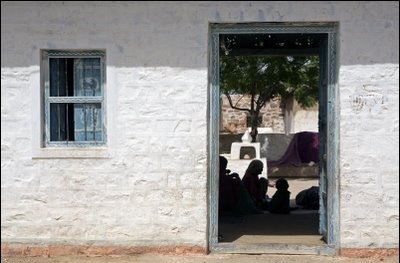 Pakhar Singh ran a hand over his spiky stubble. " You, too, shall grow now. You were the first to be murdered by the white men." As this thought hit him, a deep sigh escaped his lips.
 Something akin to a sigh welled up inside him. ‘Who says , it’s an easy choice? If the White men make your life impossible there, it’s the future of Ginda and Nimha or bapu’s hunger that keeps gnawing at you here. Is there no escape from it all ?”

 Many years ago there was an Emperor, who was so excessively fond of new clothes that he spent all his money on them. He cared nothing about his soldiers, nor for the theatre, nor for driving in the woods except for the sake of showing off his new clothes. He had a costume for every hour in the day, and instead of saying, as one does about any other king or emperor, 'He is in his council chamber,' here one always said, 'The Emperor is in his dressing-room.'
 For as he sleeps upon the Nile,
 President Bush on Iraq war:
 तेजेन्द्र शर्मा के ऑडियो बुक का विमोचन करते श्री मदन लाल खण्डेलवाल। साथ में बाएँ से (अगली पंक्ति में) कैलाश बुधवार, रवि शर्मा, मदन लाल खण्डेलवाल, ज़कीया ज़ुबैरी, सलीम ज़ुबैरी, राकेश दुबै। (पिछली पंक्ति में) – कौसर काज़मी, तेजेन्द्र शर्मा, डा. निखिल कौशिक।)
 बी.बी.सी हिन्दी विभाग के पूर्व अध्यक्ष श्री कैलाश बुधवार ने तेजेन्द्र पर अपनी बात कुछ यूं कही, "तेजेन्द्र की जिस ख़ूबी का मैं सबसे ज़्यादा क़ायल हूं, वो यह कि वह वन-मैन एन्टरप्राइस हैं। जो भी किया है अकेले दम, सिंगल-हैण्डिड। उनके पीछे कोई गॉडफ़ादर, कोई प्रोमोटर नहीं, कोई गुट नहीं जिसका उन्हें सहारा हो। जब इस मुल्क में आये थे, तो किसी को नहीं जानते थे। सिर पर हाथ रखने वाला कोई नहीं था। मगर आज अंतर्राष्ट्रीय इन्दु शर्मा कथा सम्मान की जो धूम हैं, उसके नाते जो भी लेखक या संपादक भारत से लन्दन आता है, उनसे मिलना चाहता है।"
  Nature watch
  Lightning bolts appeared above and around the Chaiten volcano as seen from Chana, some 30 kms (19 miles) north of the volcano, as it began its first eruption in thousands of years, in southern Chile May 2, 2008. Cases of electrical storms breaking out directly above erupting volcanoes are well documented, although scientists differ on what causes them.
