There are only two lasting bequests we can hope to give our children. One is roots; the other, wings.
- Hodding Carter
Dedicated to the Children: Our Future!!
January 2010 (Year-3-Issue-35 )
CREATED COMPILED & EDITED BYSHAIL AGRAWAL
In This Section
To The Children- The Mother (Arvind Ashram). Favourites Forever: Christina Rossetti, George Macdonald, Cecil Frances Alaxander. Poetry Here & Now: Junu Agrawal, Shail Agrawal. Story: Hans Christian Andersan. Jatak tale and a traditional nursery rhyme & monthly news review in Vividha.
Like the four seasons we go in and go out of new year, year after year, pledges and promises after one another, but nothing changes, nether we nor the world...reason is simple we ourselves are not satisfied enough...convinced enough....equipped and understood enough to change ourselves and our circumstances. Osho once said to be really happy " nothing has to be denied, nothing has to be dropped. Everything has to be enjoyed, everything has to be understood. Everything has to be transformed in such a way that it becomes a new source of richness, nourishment, rejuvenation ...."
In this new year; time of regeneration, let us talk about hope and growth ...about faith and trust ...about love and friendship...about our future...about our children and our hope and cooperation for a better tomorrow! Future are our children & in the future they will be the potters and incharge of this words' destiny. It's not in vain that great poet & thinker Wordsworth said ' Child is the father of the man.'
This New Year's first issue of Lekhni is entirely dedicated to the children. Let us know how, you grown ups enjoyed it!
There is an ascending evolution in nature which goes from the stone to the plant, from the plant to the animal, from the animal to man. Because man is , for the moment, the last rung at the summit of the ascending evoluion, he considers himself as the final stage in this ascension and believes there can be nothing on earth superior to him. In that he is mistaken. In his physical nature he is yet almost wholly an animal, a thinking and speaking animal, but still an animal in his material habits and instincts. Undoubtedly, nature cannot be satisfied with such an imperfect result; she endeavours to bring out a being who will be to man what man is to the animal, a being who will remain a man in its external form, and yet whose consciousness will rise far above the mental and its slavery to ignorance.
Sri Aurobindo came upon earth to teach this truth to men. He told them that man is only a transitional being living in mental consciousness, but with the possibility of acquiring a new consciousness, the truth consciousness, and capable of living a life perfectly harmonious, good and beautiful, happy and fully conscious. During the whole of his life upon earth, Sri Aurobindo gave all his time toestablish in himself this consciousness which he called the supramental, and to help those gathered around him to realise it.
You have the immense privilege ...still plastic and capable of being moulded according to this new ideal ...
What a child should always remember
The nenecessity of an absolute sincerity.
The certitude of Truth's final victory.
The possibility of constant progress with the will to achieve.
An ideal Child:
is good tempered.
He does not become angry when things seem to go against him or decisions are not in his favour.
Is Game
Whatever he doese he doese it to the best of his capacity and keeps on doing in his face of almost certain failure. He always thinks straight and acts straight.
Is Truthful
He never fears to say the truth whatever may be the consequences.
Is Patient
He does not get disheartened if he has to wait a long time to see the results of his efforts.
Is Enduring
He faces the inevitable difficulties and sufferings without grumbling.
Is Persevering
He never slackens his effort however long it has to last.
Is poised
He keeps equanimity in success as well as in failure.
Is courageous
He always goes on fighting for the final victory though he may meet with many defeats.
Is Cheerful
He knows how to smile and keep a happy heart in all circumstances.
Is Modest
He does not become conceited over his success, neither does he feels himself superior to his comerades.
Is Generous
He appreciates the merits of others and is always ready to hep another to succeed.
What does the bee do? Bring home honey. And what does Father do? Bring home money. And what does Mother do? Lay out the money. And what does baby do? Eat up the honey.
~Christina Rossetti
A Baby Sermon
The lightning and thunder They go and come; But the stars and the stillness Are always at home.
~George MacDonald
All Things Bright and Beautiful
All Things Bright and Beautiful All things bright and beautiful, All creatures great and small, All things wise and wonderful, The Lord God made them all.
Each little flower that opens, Each little bird that sings, He made their glowing colors, He made their tiny wings.
The purple-headed mountain, The river running by, The sunset, and the morning, That brightens up the sky;
The cold wind in the winter, The pleasant summer sun, The ripe fruits in the garden, He made them every one.
He gave us eyes to see them, And lips that we might tell, How great is God Almighty, Who has made all things well.
Sometimes I sing lullabies for you And sometimes its rhymes Sometimes I stop you from playing And sometimes, I am also in the line...
The way you smell the boxes, The way you potter around house chores The way you carry a duster And the way you throw potatoes...
Your single smile, just lights up my life And a peck on my face, brightens a dull day And when at the back, you cross your hands I feel so happy to see my confident infant
I still remember, when I could barely hold you And your tiny palm only half my finger size But I cannot believe you are growing so fast, Oh my God! Time actually flies.
-Junu Agrawal
...I often wonder
Laughing, smiling, playing with youI I often wonder how time flies!
Hugs and kisses Your Innocent pranks Your innumerable demnds You tie my days around.
Fleeting shadows Of joy and disappointments Ripples of laughter Memories abound.
It is easy to love you because I see my own childhood in your smiling eyes.
There was once a king's son; nobody had so many or such beautiful books as he had. He could read about everything which had ever happened in this world, and see it all represented in the most beautiful pictures. He could get information about every nation and every country; but as to where the Garden of Paradise was to be found, not a word could he discover, and this was the very thing he thought most about. His grandmother had told him, when he was quite a little fellow and was about to begin his school life, that every flower in the Garden of Paradise was a delicious cake, and that the pistils were full of wine. In one flower history was written, in another geography or tables; you had only to eat the cake and you knew the lesson. The more you ate, the more history, geography and tables you knew. All this he believed then; but as he grew older and wiser and learnt more, he easily perceived that the delights of the Garden of Paradise must be far beyond all this.
His grandmother had told him, when he was quite a little fellow and was about to begin his school life, that every flower in the Garden of Paradise was a delicious cake, and that the pistils were full of wine.
'Oh, why did Eve take of the tree of knowledge? Why did Adam eat the forbidden fruit? If it had only been I it would not have happened! never would sin have entered the world!'
This is what he said then, and he still said it when he was seventeen; his thoughts were full of the Garden of Paradise.
He walked into the wood one day; he was alone, for that was his greatest pleasure. Evening came on, the clouds drew up and it rained as if the whole heaven had become a sluice from which the water poured in sheets; it was as dark as it is otherwise in the deepest well. Now he slipped on the wet grass, and then he fell on the bare stones which jutted out of the rocky ground. Everything was dripping, and at last the poor Prince hadn't got a dry thread on him. He had to climb over huge rocks where the water oozed out of the thick moss. He was almost fainting; just then he heard a curious murmuring and saw in front of him a big lighted cave. A fire was burning in the middle, big enough to roast a stag, which was in fact being done; a splendid stag with its huge antlers was stuck on a spit, being slowly turned round between the hewn trunks of two fir trees. An oldish woman, tall and strong enough to be a man dressed up, sat by the fire throwing on logs from time to time.
'Come in, by all means!' she said; 'sit down by the fire so that your clothes may dry!'
'There is a shocking draught here,' said the Prince, as he sat down on the ground.
'It will be worse than this when my sons come home!' said the woman. 'You are in the cavern of the winds; my sons are the four winds of the world! Do you understand?'
'Who are your sons?' asked the Prince.
'Well that's not so easy to answer when the question is stupidly put,' said the woman. 'My sons do as they like; they are playing rounders now with the clouds up there in the great hall,' and she pointed up into the sky.
'Oh indeed!' said the Prince. 'You seem to speak very harshly, and you are not so gentle as the women I generally see about me!'
'Oh, I daresay they have nothing else to do! I have to be harsh if I am to keep my boys under control! But I can do it, although they are a stiff-necked lot! Do you see those four sacks hanging on the wall? They are just as frightened of them as you used to be of the cane behind the looking-glass. I can double the boys up, I can tell you, and then they have to go into the bag; we don't stand upon ceremony, and there they have to stay; they can't get out to play their tricks till it suits me to let them. But here we have one of them.' It was the Northwind who came in with an icy blast; great hailstones peppered about the floor and snow-flakes drifted in. He was dressed in bearskin trousers and jacket, and he had a sealskin cap drawn over his ears. Long icicles were hanging from his beard, and one hailstone after another dropped down from the collar of his jacket.
'Don't go straight to the fire,' said the Prince. 'You might easily get chilblains!'
'Chilblains!' said the Northwind with a loud laugh. 'Chilblains! they are my greatest delight! What sort of a feeble creature are you? How did you get into the cave of the winds?'
'He is my guest,' said the old woman, 'and if you are not pleased with that explanation you may go into the bag! Now you know my opinion!'
This had its effect, and the Northwind told them where he came from, and where he had been for the last month.
'I come from the Arctic seas,' he said. 'I have been on Behring Island with the Russian walrus-hunters. I sat at the helm and slept when they sailed from the north cape, and when I woke now and then the stormy petrels were flying about my legs. They are queer birds; they give a brisk flap with their wings and then keep them stretched out and motionless, and even then they have speed enough.'
'Pray don't be too long-winded,' said the mother of the winds. 'So at last you got to Behring Island!'
'It's perfectly splendid! There you have a floor to dance upon, as flat as a pancake, half-thawed snow, with moss. There were bones of whales and Polar bears lying about; they looked like the legs and arms of giants covered with green mould. One would think that the sun had never shone on them. I gave a little puff to the fog so that one could see the shed. It was a house built of wreckage and covered with the skins of whales; the flesh side was turned outwards; it was all red and green; a living Polar bear sat on the roof growling. I went to the shore and looked at the birds' nests, looked at the unfledged young ones screaming and gaping; then I blew down thousands of their throats and they learnt to shut their mouths. Lower down the walruses were rolling about like monster maggots with pigs' heads and teeth a yard long!'
'You're a good story-teller, my boy!' said his mother. 'It makes my mouth water to hear you!'
'Then there was a hunt! The harpoons were plunged into the walruses' breasts, and the steaming blood spurted out of them like fountains over the ice. Then I remembered my part of the game! I blew up and made my ships, the mountain-high icebergs, nip the boats; whew! how they whistled and how they screamed, but I whistled louder. They were obliged to throw the dead walruses, chests and ropes out upon the ice! I shook the snow-flakes over them and let them drift southwards to taste the salt water. They will never come back to Behring Island!'
'Then you've been doing evil!' said the mother of the winds.
'What good I did, the others may tell you,' said he. 'But here we have my brother from the west; I like him best of all; he smells of the sea and brings a splendid cool breeze with him!'
'Is that the little Zephyr?' asked the Prince.
'Yes, certainly it is Zephyr, but he is not so little as all that. He used to be a pretty boy once, but that's gone by!'
He looked like a wild man of the woods, but he had a padded hat on so as not to come to any harm. He carried a mahogany club cut in the American mahogany forests. It could not be anything less than that.
'Where do you come from?' asked his mother.
'From the forest wildernesses!' he said, 'where the thorny creepers make a fence between every tree, where the water-snake lies in the wet grass, and where human beings seem to be superfluous!'
'What did you do there?'
'I looked at the mighty river, saw where it dashed over the rocks in dust and flew with the clouds to carry the rainbow. I saw the wild buffalo swimming in the river, but the stream carried him away; he floated with the wild duck, which soared into the sky at the rapids; but the buffalo was carried over with the water. I liked that and blew a storm, so that the primæval trees had to sail too, and they were whirled about like shavings.'
'And you have done nothing else?' asked the old woman.
'I have been turning somersaults in the Savannahs, patting the wild horse, and shaking down cocoanuts! Oh yes, I have plenty of stories to tell! But one need not tell everything. You know that very well, old woman!' and then he kissed his mother so heartily that she nearly fell backwards; he was indeed a wild boy.
The Southwind appeared now in a turban and a flowing bedouin's cloak.
'It is fearfully cold in here,' he said, throwing wood on the fire; 'it is easy to see that the Northwind got here first!'
'It is hot enough here to roast a polar bear,' said the Northwind.
'You are a polar bear yourself!' said the Southwind.
'Do you want to go into the bag?' asked the old woman. 'Sit down on that stone and tell us where you have been.'
'In Africa, mother!' he answered. 'I have been chasing the lion with the Hottentots in Kaffirland! What grass there is on those plains! as green as an olive. The gnu was dancing about, and the ostriches ran races with me, but I am still the fastest. I went to the desert with its yellow sand. It looks like the bottom of the sea. I met a caravan! They were killing their last camel to get water to drink, but it wasn't much they got. The sun was blazing above, and the sand burning below. There were no limits to the outstretched desert. Then I burrowed into the fine loose sand and whirled it up in great columns—that was a dance! You should have seen how despondently the dromedaries stood, and the merchant drew his caftan over his head. He threw himself down before me as if I had been Allah, his god. Now they are buried, and there is a pyramid of sand over them all; when I blow it away, sometime the sun will bleach their bones, and then travellers will see that people have been there before, otherwise you would hardly believe it in the desert!'
'Then you have only been doing harm!' said the mother. 'Into the bag you go!' And before he knew where he was she had the Southwind by the waist and in the bag; it rolled about on the ground, but she sat down upon it and then it had to be quiet.
'Your sons are lively fellows!' said the Prince.
'Yes, indeed,' she said; 'but I can master them! Here comes the fourth.'
It was the Eastwind, and he was dressed like a Chinaman.
'Oh, have you come from that quarter?' said the mother. 'I thought you had been in the Garden of Paradise.'
'I am only going there to-morrow!' said the Eastwind. 'It will be a hundred years to-morrow since I have been there. I have just come from China, where I danced round the porcelain tower till all the bells jingled. The officials were flogged in the streets, the bamboo canes were broken over their shoulders, and they were all people ranging from the first to the ninth rank. They shrieked "Many thanks, Father and benefactor," but they didn't mean what they said, and I went on ringing the bells and singing "Tsing, tsang, tsu!"'
'You're quite uproarious about it!' said the old woman. 'It's a good thing you are going to the Garden of Paradise to-morrow; it always has a good effect on your behaviour. Mind you drink deep of the well of wisdom, and bring a little bottleful home to me.'
'That I will,' said the Eastwind, 'But why have you put my brother from the south into the bag? Out with him. He must tell me about the phœnix; the Princess always wants to hear about that bird when I call every hundred years. Open the bag! then you'll be my sweetest mother, and I'll give you two pockets full of tea as green and fresh as when I picked it!' 'Well, for the sake of the tea, and because you are my darling, I will open my bag!'
She did open it and the Southwind crept out, but he was quite crestfallen because the strange Prince had seen his disgrace.
'Here is a palm leaf for the Princess!' said the Southwind. 'The old phœnix, the only one in the world, gave it to me. He has scratched his whole history on it with his bill, for the hundred years of his life, and she can read it for herself. I saw how the phœnix set fire to his nest himself and sat on it while it burnt, like the widow of a Hindoo. Oh, how the dry branches crackled, how it smoked, and what a smell there was! At last it all burst into flame; the old bird was burnt to ashes, but his egg lay glowing in the fire; it broke with a loud bang and the young one flew out. Now it rules over all the birds, and it is the only phœnix in the world. He bit a hole in the leaf I gave you; that is his greeting to the Princess.'
'Let us have something to eat now!' said the mother of the winds; and they all sat down to eat the roast stag, and the Prince sat by the side of the Eastwind, so they soon became good friends.
'I say,' said the Prince, 'just tell me who is this Princess, and where is the Garden of Paradise?'
'Oh ho!' said the Eastwind, 'if that is where you want to go you must fly with me to-morrow. But I may as well tell you that no human being has been there since Adam and Eve's time. You know all about them I suppose from your Bible stories?'
'Of course,' said the Prince.
'When they were driven away the Garden of Eden sank into the ground, but it kept its warm sunshine, its mild air, and all its charms. The queen of the fairies lives there. The Island of Bliss, where death never enters, and where living is a delight, is there. Get on my back to-morrow and I will take you with me; I think I can manage it! But you mustn't talk now, I want to go to sleep.'
When the Prince woke up in the early morning, he was not a little surprised to find that he was already high above the clouds. He was sitting on the back of the Eastwind, who was holding him carefully; they were so high up that woods and fields, rivers and lakes, looked like a large coloured map.
'Good morning,' said the Eastwind. 'You may as well sleep a little longer, for there is not much to be seen in this flat country below us, unless you want to count the churches. They look like chalk dots on the green board.'
He called the fields and meadows 'the green board.'
'It was very rude of me to leave without saying good-bye to your mother and brothers,' said the Prince.
'One is excused when one is asleep!' said the Eastwind, and they flew on faster than ever. You could mark their flight by the rustling of the trees as they passed over the woods; and whenever they crossed a lake, or the sea, the waves rose and the great ships dipped low down in the water, like floating swans. Towards evening the large towns were amusing as it grew dark, with all their lights twinkling now here, now there, just as when one burns a piece of paper and sees all the little sparks like children coming home from school. The Prince clapped his hands, but the Eastwind told him he had better leave off and hold tight, or he might fall and find himself hanging on to a church steeple.
The eagle in the great forest flew swiftly, but the Eastwind flew more swiftly still. The Kossack on his little horse sped fast over the plains, but the Prince sped faster still.
'Now you can see the Himalayas!' said the Eastwind. 'They are the highest mountains in Asia; we shall soon reach the Garden of Paradise.'
They took a more southerly direction, and the air became scented with spices and flowers. Figs and pomegranates grew wild, and the wild vines were covered with blue and green grapes. They both descended here and stretched themselves on the soft grass, where the flowers nodded to the wind, as much as to say, 'Welcome back.'
'Are we in the Garden of Paradise now?' asked the Prince.
'No, certainly not!' answered the Eastwind. 'But we shall soon be there. Do you see that wall of rock and the great cavern where the wild vine hangs like a big curtain? We have to go through there! Wrap yourself up in your cloak, the sun is burning here, but a step further on it is icy cold. The bird which flies past the cavern has one wing out here in the heat of summer, and the other is there in the cold of winter.'
'So that is the way to the Garden of Paradise!' said the Prince.
Now they entered the cavern. Oh, how icily cold it was; but it did not last long. The Eastwind spread his wings, and they shone like the brightest flame; but what a cave it was! Large blocks of stone, from which the water dripped, hung over them in the most extraordinary shapes; at one moment it was so low and narrow that they had to crawl on hands and knees, the next it was as wide and lofty as if they were in the open air. It looked like a chapel of the dead, with mute organ pipes and petrified banners.
'We seem to be journeying along Death's road to the Garden of Paradise!' said the Prince, but the Eastwind never answered a word, he only pointed before them where a beautiful blue light was shining. The blocks of stone above them grew dimmer and dimmer, and at last they became as transparent as a white cloud in the moonshine. The air was also deliciously soft, as fresh as on the mountain-tops and as scented as down among the roses in the valley.
A river ran there as clear as the air itself, and the fish in it were like gold and silver. Purple eels, which gave out blue sparks with every curve, gambolled about in the water; and the broad leaves of the water-lilies were tinged with the hues of the rainbow, while the flower itself was like a fiery orange flame, nourished by the water, just as oil keeps a lamp constantly burning. A firm bridge of marble, as delicately and skilfully carved as if it were lace and glass beads, led over the water to the Island of Bliss, where the Garden of Paradise bloomed.
The Eastwind took the Prince in his arms and bore him over. The flowers and leaves there sang all the beautiful old songs of his childhood, but sang them more wonderfully than any human voice could sing them.
Were these palm trees or giant water plants growing here? The Prince had never seen such rich and mighty trees. The most wonderful climbing plants hung in wreaths, such as are only to be found pictured in gold and colours on the margins of old books of the Saints or entwined among their initial letters. It was the most extraordinary combination of birds, flowers and scrolls.
Close by on the grass stood a flock of peacocks with their brilliant tails outspread. Yes, indeed, it seemed so, but when the Prince touched them he saw that they were not birds but plants. They were big dock leaves, which shone like peacocks' tails. Lions and tigers sprang like agile cats among the green hedges, which were scented with the blossom of the olive, and the lion and the tiger were tame. The wild dove, glistening like a pearl, beat the lion's mane with his wings; and the antelope, otherwise so shy, stood by nodding, just as if he wanted to join the game.
The Fairy of the Garden now advanced to meet them; her garments shone like the sun, and her face beamed like that of a happy mother rejoicing over her child. She was young and very beautiful, and was surrounded by a band of lovely girls, each with a gleaming star in her hair.
When the Eastwind gave her the inscribed leaf from the Phœnix her eyes sparkled with delight. She took the Prince's hand and led him into her palace, where the walls were the colour of the brightest tulips in the sunlight. The ceiling was one great shining flower, and the longer one gazed into it the deeper the calyx seemed to be. The Prince went to the window, and looking through one of the panes saw the Tree of Knowledge, with the Serpent, and Adam and Eve standing by.
'Are they not driven out?' he asked, and the Fairy smiled, and explained that Time had burned a picture into each pane, but not of the kind one usually sees; they were alive, the leaves on the trees moved, and people came and went like the reflections in a mirror.
Then he looked through another pane, and he saw Jacob's dream, with the ladder going straight up into heaven, and angels with great wings were fluttering up and down. All that had ever happened in this world lived and moved on these window panes; only Time could imprint such wonderful pictures.
The Fairy of the Garden now advanced to meet them; her garments shone like the sun, and her face beamed like that of a happy mother rejoicing over her child.
The Fairy smiled and led him into a large, lofty room, the walls of which were like transparent paintings of faces, one more beautiful than the other. These were millions of the Blessed who smiled and sang, and all their songs melted into one perfect melody. The highest ones were so tiny that they seemed smaller than the very smallest rosebud, no bigger than a pinpoint in a drawing. In the middle of the room stood a large tree, with handsome drooping branches; golden apples, large and small, hung like oranges among its green leaves. It was the Tree of Knowledge, of whose fruit Adam and Eve had eaten. From every leaf hung a shining red drop of dew; it was as if the tree wept tears of blood.
'Now let us get into the boat,' said the Fairy. 'We shall find refreshment on the swelling waters. The boat rocks, but it does not move from the spot; all the countries of the world will pass before our eyes.'
It was a curious sight to see the whole coast move. Here came lofty snow-clad Alps, with their clouds and dark fir trees. The horn echoed sadly among them, and the shepherd yodelled sweetly in the valleys. Then banian trees bent their long drooping branches over the boat, black swans floated on the water, and the strangest animals and flowers appeared on the shore. This was New Holland, the fifth portion of the world, which glided past them with a view of its blue mountains. They heard the song of priests, and saw the dances of the savages to the sound of drums and pipes of bone. The pyramids of Egypt reaching to the clouds, with fallen columns, and Sphynxes half buried in sand, next sailed past them. Then came the Aurora Borealis blazing over the peaks of the north; they were fireworks which could not be imitated. The Prince was so happy, and he saw a hundred times more than we have described.
'Can I stay here always?' he asked.
'That depends upon yourself,' answered the Fairy. 'If you do not, like Adam, allow yourself to be tempted to do what is forbidden, you can stay here always.'
'I will not touch the apples on the Tree of Knowledge,' said the Prince. 'There are thousands of other fruits here as beautiful.'
'Test yourself, and if you are not strong enough, go back with the Eastwind who brought you. He is going away now, and will not come back for a hundred years; the time will fly in this place like a hundred hours, but that is a long time for temptation and sin. Every evening when I leave you I must say, "Come with me," and I must beckon to you, but stay behind. Do not come with me, for with every step you take your longing will grow stronger. You will reach the hall where grows the Tree of Knowledge; I sleep beneath its fragrant drooping branches. You will bend over me and I must smile, but if you press a kiss upon my lips Paradise will sink deep down into the earth, and it will be lost to you. The sharp winds of the wilderness will whistle round you, the cold rain will drop from your hair. Sorrow and labour will be your lot.'
'I will remain here!' said the Prince.
And the Eastwind kissed him on the mouth and said: 'Be strong, then we shall meet again in a hundred years. Farewell! Farewell!' And the Eastwind spread his great wings; they shone like poppies at the harvest time, or the Northern Lights in a cold winter.
'Good-bye! good-bye!' whispered the flowers. Storks and pelicans flew in a line like waving ribbons, conducting him to the boundaries of the Garden.
'Now we begin our dancing!' said the Fairy; 'at the end when I dance with you, as the sun goes down you will see me beckon to you and cry, "Come with me", but do not come. I have to repeat it every night for a hundred years. Every time you resist, you will grow stronger, and at last you will not even think of following. To-night is the first time. Remember my warning!'
And the Fairy led him into a large hall of white transparent lilies, the yellow stamens in each formed a little golden harp which echoed the sound of strings and flutes. Lovely girls, slender and lissom, dressed in floating gauze, which revealed their exquisite limbs, glided in the dance, and sang of the joy of living—that they would never die—and that the Garden of Paradise would bloom for ever.
The sun went down and the sky was bathed in golden light which gave the lilies the effect of roses; and the Prince drank of the foaming wine handed to him by the maidens. He felt such joy as he had never known before; he saw the background of the hall opening where the Tree of Knowledge stood in a radiancy which blinded him. The song proceeding from it was soft and lovely, like his mother's voice, and she seemed to say, 'My child, my beloved child!'
Then the Fairy beckoned to him and said so tenderly, 'Come with me,' that he rushed towards her, forgetting his promise, forgetting everything on the very first evening that she smiled and beckoned to him.
The fragrance in the scented air around grew stronger, the harps sounded sweeter than ever, and it seemed as if the millions of smiling heads in the hall where the Tree grew nodded and sang, 'One must know everything. Man is lord of the earth.' They were no longer tears of blood which fell from the Tree; it seemed to him that they were red shining stars.
'Come with me, come with me,' spoke those trembling tones, and at every step the Prince's cheeks burnt hotter and hotter and his blood coursed more rapidly.
'I must go,' he said, 'it is no sin; I must see her asleep; nothing will be lost if I do not kiss her, and that I will not do. My will is strong.'
The Fairy dropped her shimmering garment, drew back the branches, and a moment after was hidden within their depths.
'I have not sinned yet!' said the Prince, 'nor will I'; then he drew back the branches. There she lay asleep already, beautiful as only the Fairy in the Garden of Paradise can be. She smiled in her dreams; he bent over her and saw the tears welling up under her eyelashes.
The Fairy dropped her shimmering garment, drew back the branches, and a moment after was hidden within their depths.
'Do you weep for me?' he whispered. 'Weep not, beautiful maiden. I only now understand the full bliss of Paradise; it surges through my blood and through my thoughts. I feel the strength of the angels and of everlasting life in my mortal limbs! If it were to be everlasting night to me, a moment like this were worth it!' and he kissed away the tears from her eyes; his mouth touched hers.
Then came a sound like thunder, louder and more awful than any he had ever heard before, and everything around collapsed. The beautiful Fairy, the flowery Paradise sank deeper and deeper. The Prince saw it sink into the darkness of night; it shone far off like a little tiny twinkling star. The chill of death crept over his limbs; he closed his eyes and lay long as if dead.
The cold rain fell on his face, and the sharp wind blew around his head, and at last his memory came back. 'What have I done?' he sighed. 'I have sinned like Adam, sinned so heavily that Paradise has sunk low beneath the earth!' And he opened his eyes; he could still see the star, the far-away star, which twinkled like Paradise; it was the morning star in the sky. He got up and found himself in the wood near the cave of the winds, and the mother of the winds sat by his side. She looked angry and raised her hand.
'So soon as the first evening!' she said. 'I thought as much; if you were my boy, you should go into the bag!'
'Ah, he shall soon go there!' said Death. He was a strong old man, with a scythe in his hand and great black wings. 'He shall be laid in a coffin, but not now; I only mark him and then leave him for a time to wander about on the earth to expiate his sin and to grow better. I will come some time. When he least expects me, I shall come back, lay him in a black coffin, put it on my head, and fly to the skies. The Garden of Paradise blooms there too, and if he is good and holy he shall enter into it; but if his thoughts are wicked and his heart still full of sin, he will sink deeper in his coffin than Paradise sank, and I shall only go once in every thousand years to see if he is to sink deeper or to rise to the stars, the twinkling stars up there.'
Ages ago, there was a beautiful and dense forest known as Jetavana at Savatthi in India . Buddha, in those days, was staying in that peaceful forest. One day, some people came running to Buddha and said, “O' great one, an owl has gone crazy. It is chasing crows and killing them!” Buddha said, “You all know that crows and owls are sworn enemies. They just cannot stand each other.” “But, why?” asked someone. Buddha then told them the story how owls and crows became enemies.
The story of their animosity dates back to the earliest of times. One day, all living beings got together to choose their king. Humans chose a perfect, healthy and handsome man to lead them as king. The animals looked for the strongest and royal animal, and found no one better than the lion. So, the lion was named the king of the animals. When it came to the fishes, they chose a beautiful and large fish named Ananda .
Birds have many beautiful species. So, they had a tough time choosing the best among them all. Finally, they decided to name the wise owl as their king. All birds seemed to like the choice except the crow. When the owl's name was announced, the crow did not like it and he started to protest loudly. The crow shouted, “How can you make an angry-looking bird our king? Do we not have any wiser and better choices?” The crow's comments hit the red-faced owl hard. He got mad with anger. The crow saw that and flew away. The owl chased the crow, and ever since owls and crows are enemies.
The birds did not like the owl's behavior and decided to choose another bird. They finally crowned the beautiful and graceful swan their king, who was none other than the Buddha. Moral: Anger makes you lose control over yourself, causing harm to others and yourself too.
***
In the end an old traditional nursery rhyme, telling us choices we make, are the choices we keep.
Birds of a feather flock together, And so will pigs and swine; Rats and mice will have their choice, And so will I have mine.
आज जब हम नए साल की बधाइयों में डूब रहे हैं , विगत 2009 साल, अन्य किसी भी साल की तरह कई खट्टे मीठे स्वादों को यादों की पिटारी में सहेजकर हमें दे गया है। भारत के बिगड़ते और भृष्ट हालत। लालच की तरफ तेजी से बढ़ती दुनिया के नेताओं का शांति और पर्यावरण के हित में कई-कई सम्मेलनों के बाद भी किसी नतीजे पर न पहुंच पाना आदि कई बातें हैं जिनकी वजह से इस वर्ष को भूल पाना संभव नहीं। सबसे खराब हालात देश की राजधानी दिल्ली के रहे। ‘दिल्ली को क्राइम कैपिटल ऑफ इंडिया के जिस खिताब से नवाजा गया है,अब यह खिताब इसे विश्व स्तर पर भी दिया जा सकता है। दिल्ली और दिल्ली के साथ ही राष्ट्रीय राजधानी क्षेत्र में कुल जितने अपराध होते हैं, उतने मुंबई,कोलकाता,बंगलुरू,चेन्नई और पुणे इन तमाम शहरों में मिलाकर भी नहीं होते।
आजादी के बाद से पिछले 62 सालों में अपराधों की संख्या और दर में इतनी अविश्वसनीय वृद्धि हुई है कि आंकडा देखकर लोग हैरान हैं। 1947 से 2006 के बीच क्राइम रिकार्ड ब्यूरो ऑफ इंडिया के आंकडों के हिसाब से 700 फीसदी से ज्यादा की बढोत्तरी हुई। न सिर्फ मनचलों और सिरफिरों के ही कारनामें बढे, बल्कि राजनीतिज्ञों ने भी अपराधों को बढावा देने में कोई कसर नहीं छोडी। हाल ही में टेनिस खिलाडी रुचिका का मर्डर एक आलाधिकारी के हाथों हुआ और इस तरह से कहीं न कहीं हिंसा के मामले में राजनीतिज्ञों और आलाधिकारियों ने भी देश को खूब कलंकित किया है। पर्यावरण प्रदूषण से संबंधित भी काफी चौंकाने वाली बातें खुलकर सामने आईं हैं। कोई भी देश या उसके शान्तिप्रिय नेता यह मानने को तैयार नहीं है कि इसके बढ़ते प्रभाव को कैसे रोका जा सकता है या पृथ्वी और पर्यावरण के हित में क्या किया जाना चाहिए? इस बढ़ते प्रदूषण और पर्यावरण क्षति के लिए कौन जिम्मेदार है? सिर्फ बहस का ही एक मुद्दा बनकर रह गया है यह सवाल। जहां भी इससे संबंधित सम्मेलन आयोजित किए गए वहीं सिर्फ असफलता ही हाथ लगी।
इन सभी तथ्यों से सबक सीखते हुए, इन असफलताओं की पुनरावृत्ति पर रोक लगाने की जरूरत है, तभी हम एक नए और खुशहाल नए वर्ष का स्वागत कर पाएंगे।
In Britain also this was the historic year one couldn’t wait to end.
Economic traumas. Corruption and mismanagement among M.P.s. Military entanglements. Crazy weather. And yet, even as we tried to find ways to survive day to day, we were also acutely aware that we were living through momentous times.
Swine flu
On 18th March 2009, Mexican authorities first noticed outbreaks of a flu-like illness and by 16th April the World Health Organisation (WHO) had been notified of a swine flu outbreak .
The virus, which went on to become a pandemic, hit the UK on 27th April when Iain and Dawn Askham tested positive after returning from their honeymoon in Mexico.
At time of writing the UK has seen 182 deaths as a result of swine flu: 124 in England, 33 in Scotland 14 in Wales and 11 in Northern Ireland.
War
It's been another tough year for British troops in the Middle East. While Iraq moves closer to having an organised democratic government, heavy fighting against the Taliban still plagues Afghanistan, where 9,000 British troops are in operation.
At time of writing 97 British soldiers have died in Afghanistan this year, taking the total of British soldiers who have died since the start of operations in 2001 to 234. Various casualty counts suggest that between 12,000 and 32,000 civilians have been killed due to the fighting in the last eight years.
Nick Griffin
BNP leader Nick Griffin’s appearance on BBC’s Question Time show this year was controversial before it even began. Many political commentators, journalists and members of the public argued that Griffin should not be given a platform to air his 'racist' views but BBC bosses remained firm, as Griffin was an officially elected member of the European Parliament and as the BBC has a remit to be impartial, they were obliged to give him airtime.
Protests were held outside the BBC’s headquarters as Griffin arrived, with some people even managing to storm the studio.
साहित्य समाचार पिछड़ा वर्ग के पास कोई फिलास्फर नहीं है : राजेन्द्र यादव
आज दिनांक ०९/०१/२०१० को साहित्य अकादेमी सभागार में रमणिका फाउंडेशन एवं शिल्पायन प्रकाशन द्वारा आयोजित लोकार्पण समारोह में संजीव खुदशाह द्वारा लिखित पुस्तक 'आधुनिक भारत में पिछड़ा वर्ग` का लोकार्पण वरिष्ठ साहित्यकार एवं 'हंस` पत्रिका के संपादक श्री राजेन्द्र यादव ने किया। मुख्य अतिथि श्री राजेन्द्र यादव ने अपने वक्तव्य में कहा कि चार पांच ऐसी जातियां हैं जो कि न दलित हैं न पिछड़ी हैं। जिन्हें त्रिशंकु जातियां भी कह सकते हैं। इन जातियों के पास कोई फिलोस्फर नहीं है, जबकि दलितों के पास डॉ. अम्बेडकर तथा फूले हैं। उन्होंने आगे कहा कि जातिवाद की जड़ता परिवार में निहित है। भारतीय समाज का पारिवारिक ढांचा इतना मजबूत है कि टूटता ही नहीं है। व्यक्तिगत स्तर पर हम लोग जो भी क्रांतिकारी चर्चा कर लें, लेकिन परिवार को हम बदल नहीं सकते। इसलिए हम परिवार से कटे लोग हैं। समाज के परिवर्तन के लिए परिवार की सोच में परिवर्तन लाना होगा। उन्होंने विश्लेषणात्मक शोधात्मक एवं वैज्ञानिक तथ्यों पर आधारित पुस्तक की भूरि-भूरि प्रशंसा की। कार्यक्रम की अध्यक्षता वरिष्ठ कवयित्री एवं युद्धरत आम आदमी की सम्पादक सुश्री रमणिका गुप्ता ने अपने विचार रखते हुए कहा कि ये सुखद बात है कि आधुनिक भारत में पिछड़े वर्ग की जांच पड़ताल लेखक संजीव खुदशाह ने अंबेडकरवादी दृष्टिकोण से की है। विडंबना ये है कि हमारा पढ़ा-लिखा समाज भी आज तक अपनी जाति नहीं छोड़ पाया है, तो हम अनपढ़ समाज से इसकी उम्मीद कैसे कर सकते हैं, जो सदियों से जाति की गुलामी को ढोता आ रहा है। समाजशास्त्रा के इस विषय पर ये पुस्तक लिखकर श्री संजीव खुदशाह ने गंभीर बहस का एक अच्छा मौका दिया है। कार्यक्रम के आरंभ में पुस्तक पर समीक्षात्मक आलेख का पाठ श्री रमेश प्रजापति ने किया। तदोपरांत वरिष्ठ आलोचक एवं समाज सेवी श्री मस्तराम कपूर ने अपने वक्तव्य में कहा पिछड़े वर्ग की समस्या पर चर्चा करने से पूर्व पिछड़ा वर्ग को परिभाषित करना आवश्यक है। जातीय आधार पर जनगणना कराने से इनकी वास्तविक स्थिति का ज्ञान हो सकता है, लेकिन नेहरू ने इसे होने नहीं दिया। विशिष्ट अतिथि वरिष्ठ आलोचक श्री मैनेजर पाण्डेय ने अपने वक्तव्य में कहा जातिवाद देश के अतीत से भी जुड़ा है और देश के भविष्य से भी। उन्होंने लेखक से तथा उपस्थित सभी साहित्यकारों से आह्न किया कि जाति-व्यवस्था का केवल विश्लेषण न कर वे जाति व्यवस्था के विरोध में हुए आंदोलनों का जिक्र करते हुए, जाति-व्यवस्था के विरोध में लिखें। पुस्तक के लेखक संजीव खुदशाह ने अपने लेखकीय वक्तव्य में कहा कि ऐसा नहीं कि पिछड़े वर्ग के पास फिलोस्फर नहीं थे। फुले एवं पेरियार पिछड़ी जाति के लेखक थे लेकिन पिछड़ों ने उन्हें न मानकर दलितों ने माना। कार्यक्रम का संचालन रमणिका फाउंडेशन के मीडिया प्रभारी श्री सुधीर सागर द्वारा किया गया। प्रस्तुति : सुधीर सागर मीडिया प्रभारी, रमणिका फाउंडेशन ए-२२१, ग्राउंड फ्लोर, डिफेंस कॉलोनी, नई दिल्ली-२४011-46577704,011-24333356
***
छवियों का व्यापार मीडिया के समक्ष बड़ा संकट: प्रो0 रामबक्ष मीडिया अध्ययन केन्द्र द्वारा व्याख्यान आयोजित
उदयपुर । खबर वही नहीं है जो हमें दिखाई या सुनाई देती है उसका निहितार्थ ही उसे खबर बनाता है। खबर और विज्ञापन में जब भेद दिखाई न पड़ता हो तब निहितार्थों को समझना अधिक कठिन हो जाता है। सुप्रसिद्ध मीडिया विशेषज्ञ और जवाहरलाल नेहरू विश्वविद्यालय के आचार्य प्रो0 रामबक्ष ने ‘आज का जटिल यथार्थ और मीडिया’ विषय पर उक्त व्याख्यान में कहा कि छवियों का व्यापार मीडिया के समक्ष बड़ा संकट बन कर आ गया है । जनार्दन राय नागर राजस्थान विद्यापीठ ( डीम्ड विश्वविद्यालय) के मीडिया अध्ययन केन्द्र द्वारा आयोजित व्याख्यान में प्रो0 रामबक्ष ने कहा कि मीडिया जाने-अनजाने जब इस यथास्थितिवाद को प्रेषित करता है तो सामान्य जन में परिवर्तन को कोई आकांक्षा नहीं रह जाती । उन्होंने लोकतंत्र के चारों स्तम्भों की स्थिति और महत्व का विशद विश्लेषण कर कहा कि 1952 में आए उपन्यास मैला आँचल में फणीष्वर नाथ रेणु ने बावनदास की हत्या से बता दिया था कि भ्रष्टाचार अब सामाजिक जीवन का अंग बन चुका है जिसे मीडिया भी नहीं तोड़ सकता । उन्होंने इसे जनरुचि, वोट और मुद्दों को प्रभावित करने वाला संकट बताते हुए कहा कि निजीकरण के दौर में यथास्थितिवाद को यह यह संकट बढाता है । आयोजन के विशिष्ट अतिथि प्रषासनिक अधिकारी षंकरलाल चैधरी ने कवि पाष की प्रसिद्ध पंक्ति सबसे खतरनाक होता है हमारे सपनों का मर जाना को उद्धृत कर कहा कि निरन्तर श्य और असुरक्षा में जी रहे जन समुदाय को षक्तिषाली व्यवस्था विभिन्न तरीकों से नियन्त्रित करती है। उन्होंने कहा कि इस श्य को तोड.ने और परिवर्तन की आकांक्षा का सपना देख सकने का वातावरण बनाने की चुनौती मीडिया के समक्ष है। चैधरी ने एक षोध अध्ययन को उद्धृत कर बताया कि हमारे देष की 77 फीसद आबादी बीस रुपए प्रतिदिन की ही क्रय क्षमता रखती है तब मीडिया के सामने समानता और बेहतरी के लिए काम करने का दायित्व और ज्यादा बढ जाता है। इससे पहले मीडिया अध्ययन केन्द्र के समन्वयक डाॅ. पल्लव ने प्रो0 रामबक्ष का परिचय दिया और व्याख्यान के विषय की रूपरेखा रखी। डा. पल्लव ने केन्द्र द्वारा संचालित पाठ्यक्रमों की विस्तृत जानकारी दी। अध्यक्षीय उद्बोधन में माणिक्यलाल वर्मा श्रमजीवी महाविद्यालय के प्राचार्य प्रो. एन. के. पण्ड्या ने कहा कि आज के दौर में ज्ञान के सभी अनुषासनों को अपनी प्रासंगिकता समाज और जीवन के पक्ष में सिद्ध करनी होगी। प्रो. पण्ड्या ने कहा कि सामाजिक सरोकारों वाली पत्रकारिता ने ही राजस्थान विद्यापीठ जैसी संस्थाओं को जन्म दिया है। अंत में केन्द्र के संकाय सदस्य आषीष चास्टा ने सभी का आभार व्यक्त किया। आयोजन में मोहनसिंह मेहता मेमोरियल ट्रस्ट के सचिव नन्दकिषोर षर्मा, प्रो. हेमेन्द्र चण्डालिया, डा. मलय पानेरी, डा. अवनीष नागर सहित शिक्षक और विद्यार्थी उपस्थित थे।
(डा 0 पल्लव) समन्वयक
मीडिया की भाषा आँख खोलने वाली होनी चाहिएः व्यास > मीडिया और भाषा पर परिसंवाद > > उदयपुर । मीडिया की भाषा आँख खोलने वाली होनी चाहिए जिसे हमारे मनीषियों ने > पश्यन्ती कहा है। ऐसी भाषा जो जन सामान्य की अभिरुचि को सुसंस्कृत करे और > उन्हें सजग बनाए। सुपरिचित कवि-आलोचक डा. सत्यनारायण व्यास ने ’मीडिया और > भाषा’ विषयक परिसंवाद में उक्त विचार व्यक्त किए। जनार्दराय नागर राजस्थान > विद्यापीठ विश्वविद्यालय के मीडिया अध्ययन केन्द्र द्वारा आयोजित इस परिसंवाद > में डा. व्यास ने कहा कि मीडिया की शब्द रचना के केन्द्र में संवेदना होनी > चाहिए क्यों कि संवेदना का मूल मानवीय करूणा है। उन्होंने मीडिया और साहित्य की > बढ़ती दूरी को चिन्ताजनक बताते हुए कहा कि भूलना नहीं चाहिए कि पे्रमचन्द, > माखनलाल चतुर्वेदी और रघुवीर सहाय ने मीडिया की भाषा को साहित्य के संस्कार > दिये हैं। अजमेर विजयसिंह पथिक श्रमजीवी महाविद्यालय के प्राचार्य और कवि डाॅ. > अनन्त भटनागर ने कहा कि मीडिया में भाषा के स्तर पर हुए स्खलन ने हमारी सामाजिक > चेतना को प्रभावित किया है। उन्होंने कुछ चर्चित विज्ञापनों की भाषा का उल्लेख > कर स्पष्ट किया कि बाजार की शक्तियां भाषा को संवेदनहीन बना ग्लेमर से जोड़ती > है। डाॅ. भटनागर ने कहा कि सचेत पाठक वर्ग हस्तक्षेप कर भाषा के दुरूपयोग को > रोक सकता है। प्रभाष जोशी जैसे पत्रकारों के अवदान को रेखांकित कर उन्होंने > बताया कि हिन्दी में लोक का मुहावरा अपनाकर मीडिया की भाषा को व्यापक जन > सरोकारों से जोड़ा जा सकता है। परिसंवाद में राजस्थान विद्यापीठ के अंग्रेजी > विभागाध्यक्ष प्रो. हेमेन्द्र चण्डालिया ने नयी प्रौद्योगिकी के कारण मीडिया > में आए बदलावों की चर्चा की। उन्होंने कहा कि प्रौद्योगिकी निरपेक्ष नहीं होती, > वह अपने साथ अपनी संस्कृति को लाती है जो मीडिया की भाषा और मुहावरे को भी > बदलने का काम करती है। प्रो. चण्डालिया ने भाषा और सŸाा के सम्बन्धों की > ऐतिहासिक सन्दर्भ में व्याख्या कर बताया कि सŸाा का चरित्र भाषा को निर्धारित > करता है। > इससे पहले मीडिया अध्ययन केन्द्र के समन्वयक डाॅ. पल्लव ने परिसंवाद की > प्रस्तावना रखते हुए कहा कि मीडिया के चरित्र को समझने के लिए भाषा की संरचना > और प्रयोग का विश्लेषण बेहद आवश्यक है। केन्द्र के अध्यापक आशीष चाष्टा ने > केन्द्र की गतिविधियों की जानकारी दी एवं अतिथियों का स्वागत किया। परिसंवाद > में केन्द्र के विद्यार्थियों मनोज कुमार, निखिल चिŸाौड़ा ने विषय-विशेषज्ञों से > अपनी जिज्ञासाओं का समाधान भी प्राप्त किया। आयोजन में डाॅ. मलय पानेरी, डाॅ. > मुकेश शर्मा, डॉ. योगेश मीणा, एकलव्य नन्दवाना सहित विद्यार्थी, शोध छात्र और > अध्यापक उपस्थित थे। अन्त में केन्द्र की छात्रा मंजु जैन ने आभार प्रदर्शित > किया। > > > डॉ. पल्लव > 09414732258
***
डॉ. पल्लव को कथा संवाद सम्मान
चित्तौड़गढ़। स्थानीय युवा लेखक और साहित्य संस्कृति की विशिष्ट पत्रिका ‘बनास’ के सम्पादक डाॅ. पल्लव को भारतेन्दु समिति कोटा का प्रतिष्ठित ‘कथा संवाद सम्मान’ प्रदान किया गया है। पल्लव को यह सम्मान कथा आलोचना में सार्थक योगदान के लिए दिया गया है। कोटा में हुए एक समारोह में वरिष्ठ कवि बशीर अहमद मयूख और दैनिक जागरण समूह की पत्रिका पुनर्नवा के सम्पादक राजेन्द्र राव ने उन्हें.यह सम्मान प्रदान.किया। समारोह में.प्रसिद्ध..पत्रिका.‘पाखी’के सम्पादक.अपूर्व.जोशी.सहित.कई.साहित्यकार.उपस्थित.थे। सम्भावना के अध्यक्ष डाॅ. के.सी. शर्मा ने बताया कि वर्तमान में जनार्दनराय नागर राजस्थान विद्यापीठ विश्वविद्यालय, उदयपुर के हिन्दी विभाग में कार्यरत पल्लव समकालीन रचना परिदृश्य में अपनी पहचान बना चुके हैं। उनकी पुस्तक ‘मीरा: एक पुनर्मूल्यांकन’ नयी आलोचना दृष्टि के कारण चर्चा में रही है। भारतेन्दु समिति के इस सम्मान के अतिरिक्त उनकी रचनाएं ‘हंस’, ‘कथादेश’, ‘आलोचना’,‘समयान्तर’, ‘इंडिया टुडे’, समकालीन भारतीय साहित्य’, ‘वसुधा’, समकालीन जनमत’ सहित अनेक महत्वपूर्ण पत्रिकाओं में प्रकाशित हो चुकी हैं। उन्होंने बताया कि राष्ट्रीय स्तर के इस पुरस्कार द्वारा पल्लव ने चित्तौड़गढ़ जिले का गौरव बढ़ाया है।
- डाॅ. कनक जैन कृते सम्भावना, चित्तौड़गढ़ फोन: 9413641775
***
हेमंत ऋतु की मध्यम ठण्ड में, नीली आभा लिए पहाडी के पास, ०५ दिसंबर २००९ की शाम , मुम्बई अणुशक्ति नगर चेम्बूर में सबरस साहित्यिक समूह ने एक काव्य गोष्टी का आयोजन किया |
कार्यक्रम की शुरुवात -शाम ढलते - ढलते , ६ बजे कार्यक्रम की शुरुवात माँ शारदा के समक्ष मुख्य अतिथी गणों द्वारा दीप प्रज्वलन के साथ हुयी | संचालक महोदय ने देवी को माल्यार्पण किया | मुख्यअतिथी गणों का सम्मान, विपुल लखनवी ने उपहार देकर किया | श्रीमती शकुन्तला शर्मा ने अपनी शारदा वन्दना से देवी को नमन कर कविता पाढ़ की शुरुवात की | कविता पाठन - कविता पाठन एक अचल गति से बढ़ता चला गया | श्रीमती अल्का पाण्डेय ने अपनी नारी विशेष रचना से नारी जाति का गुणगान किया | अवनीश तिवारी ने आर्थिक मंदी पर अपनी दो रचनाओं से काव्य गोष्टी को समसामयिक रूप देने का प्रयास किया | नंदलाल थापरजी ने अपनी पंजाबी रचना को गा कर " मक्के की रोटी और सरसों के साग" की अमिट स्मृतियों को ताजा किया | गजलों की श्रेणी में, स्पर्श देशाई , सुरिंदर रत्ती और संचालक महोदय कुमार जैन ने रचनाएं प्रस्तुत की | कुलवंत जी ने अपने गहरे अर्थ लिए मुक्तकों से वाह वाह लुटी | जहां अपने राज को चलाने के लिए एक वर्ग हिन्दी विरोध करता है, वहीं एक ऐसा शख्श था जो अपनी मराठी में लिखी रचना को पढ़कर सांस्कृतिक संयोजन की मिशाल दे रहा था | मराठी रचनाकार दत्रातय शेतवादेकर ने अपनी मराठी रचना कही | कवयित्रियों की पंक्ति में श्रीमती शैली ओझा और श्रीमती मंजू गुप्ता ने रचना पाढ़ किया | दिल्ली से आये अविनाश वाचस्पति ने अपना व्यंग लेख पढ़ कर गोष्टी को विविध विधा पूर्ण बना दिया | आयोजन के प्रबंधक विपुल लखनवी ने अपने ओजपूर्ण, व्यंगात्मक रचना "खादी" से माहौल में चेतना का संचार करने का सफल प्रयास किया | गोष्टी की विशिष्टता संचालक की कुशल संचालन क्षमता से निखर गयी | सटीक, सार्थक और उपयुक्त पद्यात्मक टिप्पणियों से संचालक ने अंत तक गोष्टी के बहाव की डोर को थाम कर एक सही दिशा दिया | कार्यक्रम का समापन - कार्यक्रम के मुख्य अतिथी और मशहूर मंच कवि मनोज कुमार ने अपने शेर , ओजपूर्ण रचनाओं और अनुभवों से गोष्टी को एक सफल निष्कर्ष प्रदान किया | अंत में लोगों ने रात्रि का भोजन साथ कर, मेल मिलाप से विदाई ली | धन्यवाद | प्रस्तुति ,अवनीश एस तिवारी मुम्बई -
विगत वर्ष 2009 की कुछ चौंकाने वाली, असंभव और अजीबोगरीब खबरें:
1.Falcon Heene
Falcon Heene is a six-year-old American boy who was thought to have been trapped in a UFO-shaped helium balloon which accidentally took flight across two counties. Falcon was later found in his parents' attic and on a television interview with CNN let slip that it was all a stunt organised by his parents so they could get a reality TV show. Richard and Mayumi Heene were charged by police and could face jail.
2. Jaycee Lee Dugard
In August of this year America was rocked by the re-appearance of Jaycee Lee Dugard, a woman who was abducted at the age of 11 from a bus stop outside her home and held captive for 18 years.
Her alleged captors, Phillip and Nancy Garrido, are currently in jail after pleading not guilty to a 29-count indictment that includes charges of kidnapping and rape.
During her 18 years in captivity Jaycee had two children, the father of whom is thought to be Phillip Garrido, but they grew up with neighbours believing they were Jaycee's siblings.
3.Woman falls pregnant while already pregnant
In September an American woman stunned doctors by achieving a rare medical marvel - falling pregnant while pregnant.
Julia Grovenburg and her husband Todd were shocked to learn she would be giving birth to two babies, but not twins.
The couple attended an ultrasound appointment believing Mrs Grovenburg was just over eight weeks pregnant but the scan showed two babies, separated by two-and-a-half weeks - with one clearly more developed than the other.
4. Woman gives birth to huge baby
This was the story of an Indonesian woman who gave birth to an 8.7-kilogram (19.2-pound) baby boy, the heaviest newborn ever recorded in the country.
The baby, who was born by caesarean section, was a huge 62 centimeters (24.4 inches) long. "This heavy baby made the surgery really tough, especially the process of taking him out of his mum's womb. His legs were so big," the operating gynecologist, Binsar Sitanggang, said.
The boy was in a healthy condition despite having to initially be given oxygen to overcome breathing problems.
5. Runaway bus
A runaway bus without brakes was filmed hurtling through a Russian city centre smashing into cars and causing pedestrians to run for their lives.
Witnesses reported seeing passengers jump from the bus as it ploughed through the busy streets, pushing several cars along at a time. Nineteen cars were crushed by the end of the drama and four people left in hospital. One commuter's brush with death is captured on camera in terrifying detail.
6. Baby survives being hit by train
The miraculous story of a six-month-old baby that survived being dragged more than 30 metres by a train after his pram rolled onto tracks.
The video shows the moment the buggy slipped from the mother's grasp and rolled off the platform unnoticed. When the mother realises what happened she runs to the edge of the platform and reaches helplessly towards her son.
A split second later she is forced to watch as a train enters the station, runninginto her child's pram. Fortunately he suffered only a bump to his head.
और अंत में सगर्व गए वर्ष की एक बड़ी खबर देश की प्रगति पर,
" सर्वे भवन्ति सुखिनः" पुनः लेखनी की ओर से वर्ष 2010 की सभी पाठकों को हार्दिक शुभकामनाएँ।


 Like the four seasons we go in and go out of new year, year after year, pledges and promises after one another, but nothing changes, nether we nor the world...reason is simple we ourselves are not satisfied enough...convinced enough....equipped and understood enough to change ourselves and our circumstances. Osho once said to be really happy " nothing has to be denied, nothing has to be dropped. Everything has to be enjoyed, everything has to be understood. Everything has to be transformed in such a way that it becomes a new source of richness, nourishment, rejuvenation ...."


 There was once a king's son; nobody had so many or such beautiful books as he had. He could read about everything which had ever happened in this world, and see it all represented in the most beautiful pictures. He could get information about every nation and every country; but as to where the Garden of Paradise was to be found, not a word could he discover, and this was the very thing he thought most about. His grandmother had told him, when he was quite a little fellow and was about to begin his school life, that every flower in the Garden of Paradise was a delicious cake, and that the pistils were full of wine. In one flower history was written, in another geography or tables; you had only to eat the cake and you knew the lesson. The more you ate, the more history, geography and tables you knew. All this he believed then; but as he grew older and wiser and learnt more, he easily perceived that the delights of the Garden of Paradise must be far beyond all this.
 The Fairy of the Garden now advanced to meet them; her garments shone like the sun, and her face beamed like that of a happy mother rejoicing over her child.
 'Ah, he shall soon go there!' said Death. He was a strong old man, with a scythe in his hand and great black wings. 'He shall be laid in a coffin, but not now; I only mark him and then leave him for a time to wander about on the earth to expiate his sin and to grow better. I will come some time. When he least expects me, I shall come back, lay him in a black coffin, put it on my head, and fly to the skies. The Garden of Paradise blooms there too, and if he is good and holy he shall enter into it; but if his thoughts are wicked and his heart still full of sin, he will sink deeper in his coffin than Paradise sank, and I shall only go once in every thousand years to see if he is to sink deeper or to rise to the stars, the twinkling stars up there.'
 Ages ago, there was a beautiful and dense forest known as Jetavana at Savatthi in India . Buddha, in those days, was staying in that peaceful forest. One day, some people came running to Buddha and said, “O' great one, an owl has gone crazy. It is chasing crows and killing them!” Buddha said, “You all know that crows and owls are sworn enemies. They just cannot stand each other.” “But, why?” asked someone. Buddha then told them the story how owls and crows became enemies.
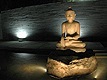 The birds did not like the owl's behavior and decided to choose another bird. They finally crowned the beautiful and graceful swan their king, who was none other than the Buddha.
 Birds of a feather flock together,
 आज दिनांक ०९/०१/२०१० को साहित्य अकादेमी सभागार में रमणिका फाउंडेशन एवं शिल्पायन प्रकाशन द्वारा आयोजित लोकार्पण समारोह में संजीव खुदशाह द्वारा लिखित पुस्तक 'आधुनिक भारत में पिछड़ा वर्ग` का लोकार्पण वरिष्ठ साहित्यकार एवं 'हंस` पत्रिका के संपादक श्री राजेन्द्र यादव ने किया। मुख्य अतिथि श्री राजेन्द्र यादव ने अपने वक्तव्य में कहा कि चार पांच ऐसी जातियां हैं जो कि न दलित हैं न पिछड़ी हैं। जिन्हें त्रिशंकु जातियां भी कह सकते हैं। इन जातियों के पास कोई फिलोस्फर नहीं है, जबकि दलितों के पास डॉ. अम्बेडकर तथा फूले हैं। उन्होंने आगे कहा कि जातिवाद की जड़ता परिवार में निहित है। भारतीय समाज का पारिवारिक ढांचा इतना मजबूत है कि टूटता ही नहीं है। व्यक्तिगत स्तर पर हम लोग जो भी क्रांतिकारी चर्चा कर लें, लेकिन परिवार को हम बदल नहीं सकते। इसलिए हम परिवार से कटे लोग हैं। समाज के परिवर्तन के लिए परिवार की सोच में परिवर्तन लाना होगा। उन्होंने विश्लेषणात्मक शोधात्मक एवं वैज्ञानिक तथ्यों पर आधारित पुस्तक की भूरि-भूरि प्रशंसा की।


 " सर्वे भवन्ति सुखिनः" पुनः लेखनी की ओर से वर्ष 2010 की सभी पाठकों को हार्दिक शुभकामनाएँ।
